HS

The Masai Mara in May

Filed under: blog,Kenya,lions,Masai Mara,research,Wildlife — Tags: , , , , , , — By Howard Saunders @ 1:46 pm

We do not typically go on safari in the Masai Mara in May. It is often raining, the black cotton mud is horrible, the grass can be six feet tall, and the migration is still in the Serengeti. But this year we made a trip to fisi camp, and we are very glad we did!

Stephanie first spent a few days teaching the fundamentals of science writing to students participating in the Michigan State University study abroad course Behavioral Ecology of African Mammals and to a couple of the research assistants at The Mara Hyena Project, where she did the field work for her PhD. Fisi is the Swahili word for hyena, and we were lucky to spend some quality time with the Talek hyenas at their den and on a fresh kill. Steph even saw an old friend – Yogurt, daughter of Moonpie! Yogurt was the last cub born in the clan before Steph finished her field work in 2002, and the last cub she named. The Talek clan is now the largest it has been since research on these hyenas began in 1988, and we are looking forward to catching up with the hyena researchers to get the latest news this safari season.

We were amazed by how many wildebeest and zebra were there -unusual for this time of year. It turns out that the smaller, local “Loita” migration was already in the reserve. The larger migration from the Serengeti has also just started crossing into Kenya, making it an early year for the migration – and a fantastic time to be on safari! Of course, for the kids ANYTIME is a great time to be on safari….

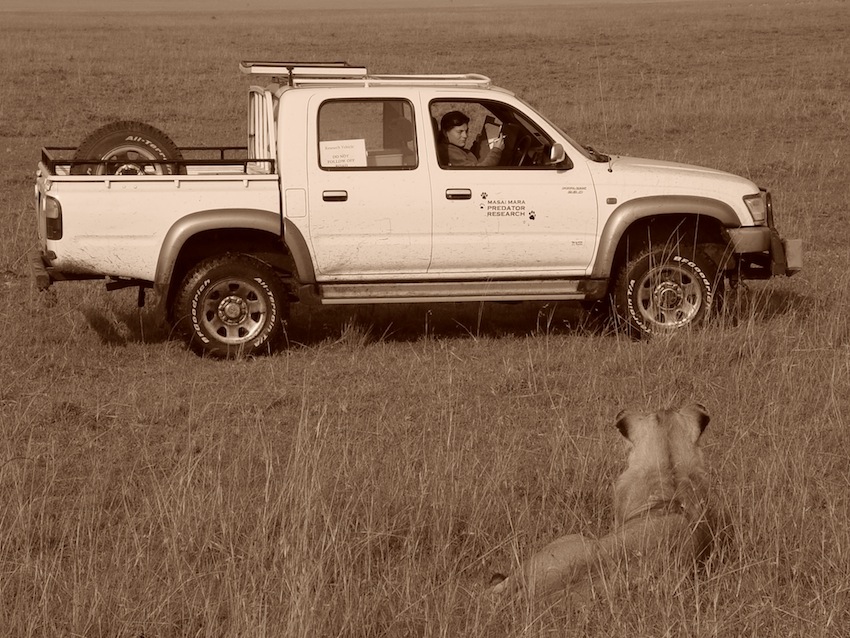
Howard's car amongst the Loita migration of wildebeest.

Howard’s car amongst the Loita migration of wildebeest.

The next generation!

The next generation!

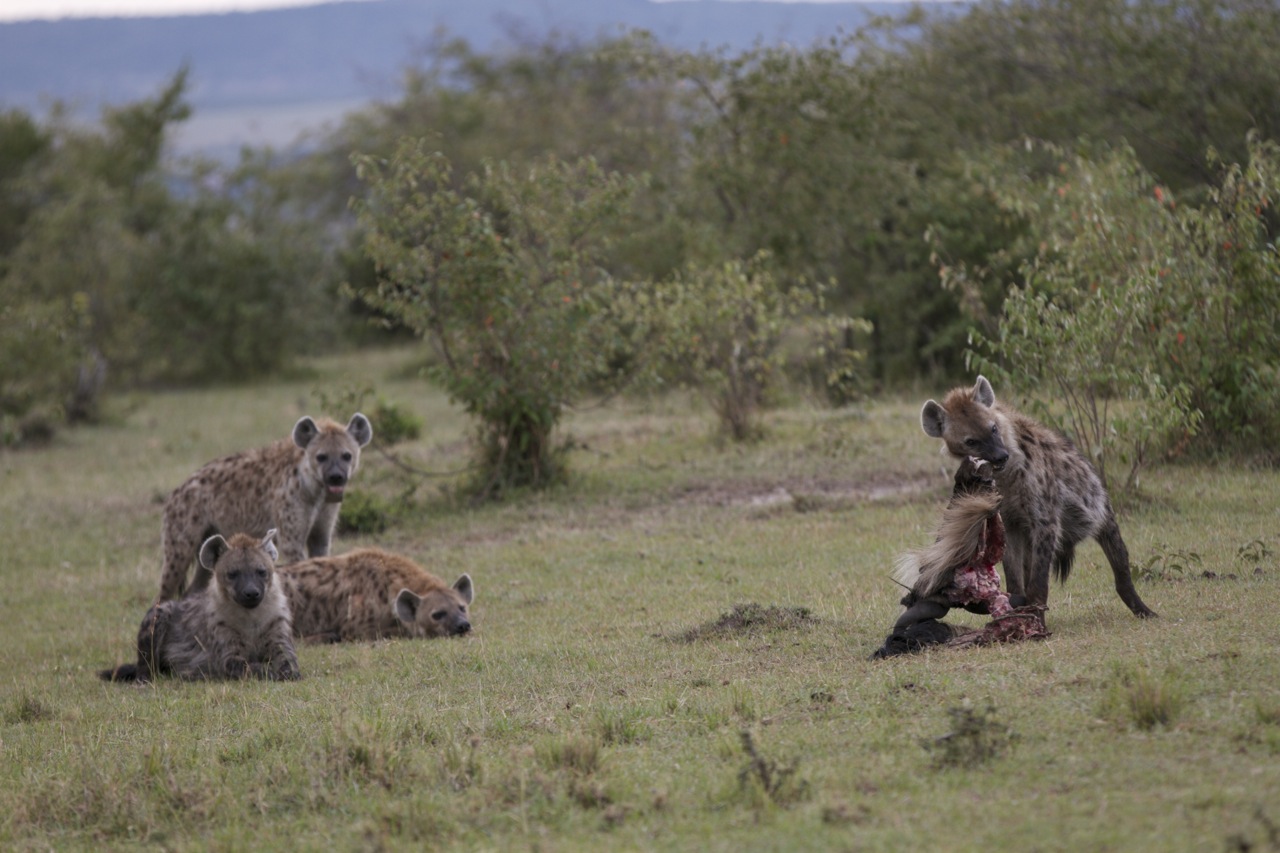
Lamu feeds on a freshly killed gnu....while the lower ranking members of the Talek clan wait for some scraps.

Lamu feeds on a freshly killed gnu….while the lower ranking members of the Talek clan wait for some scraps.

You can see just how strong a spotted hyena is when it carries a carcass with ease.

You can see just how strong a spotted hyena is when it carries a carcass with ease.

A young adult lioness of the Fig Tree pride, who was hiding a large cub in the grass of Horseshoe Lugga

A young adult lioness of the Fig Tree pride, who was hiding a large cub in the grass of Horseshoe Lugga

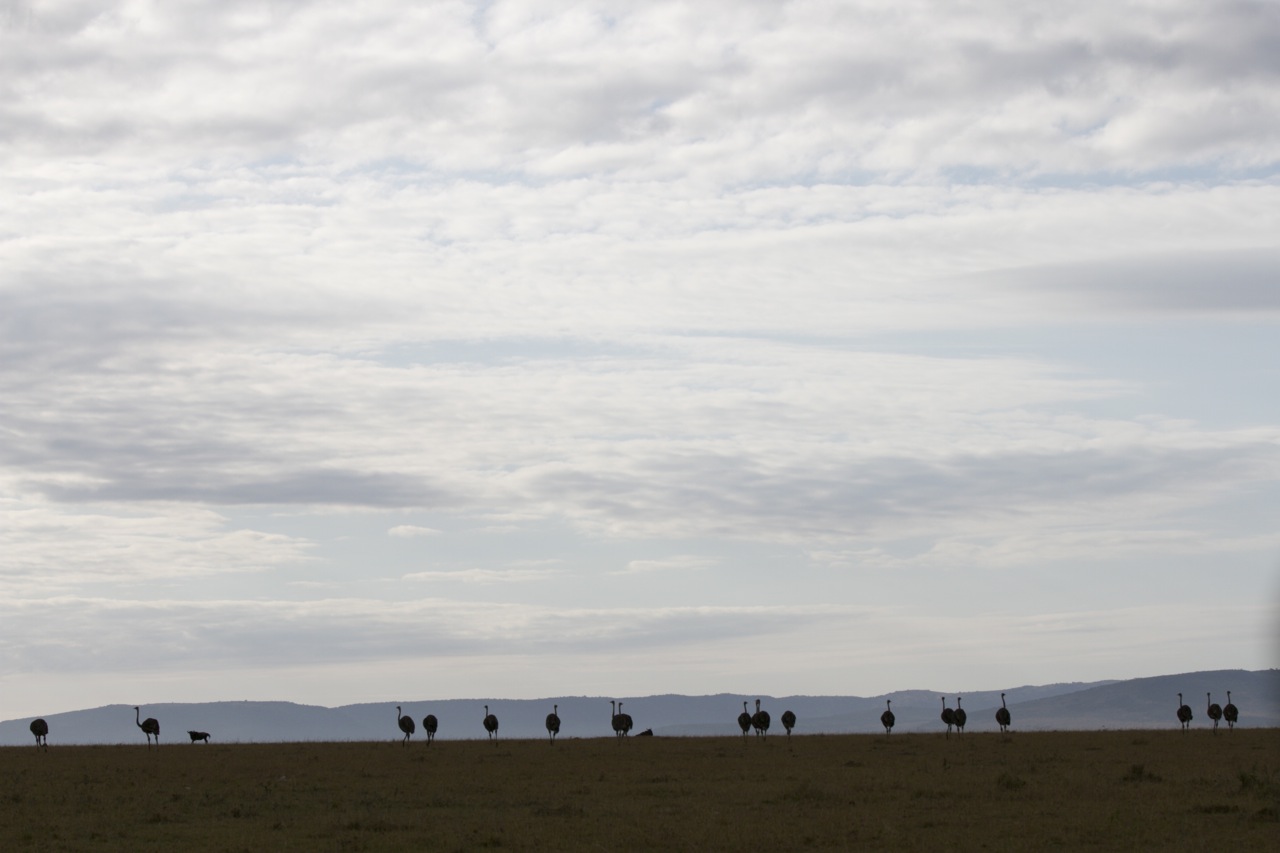
An incredible group of ostriches.

An incredible group of ostriches.

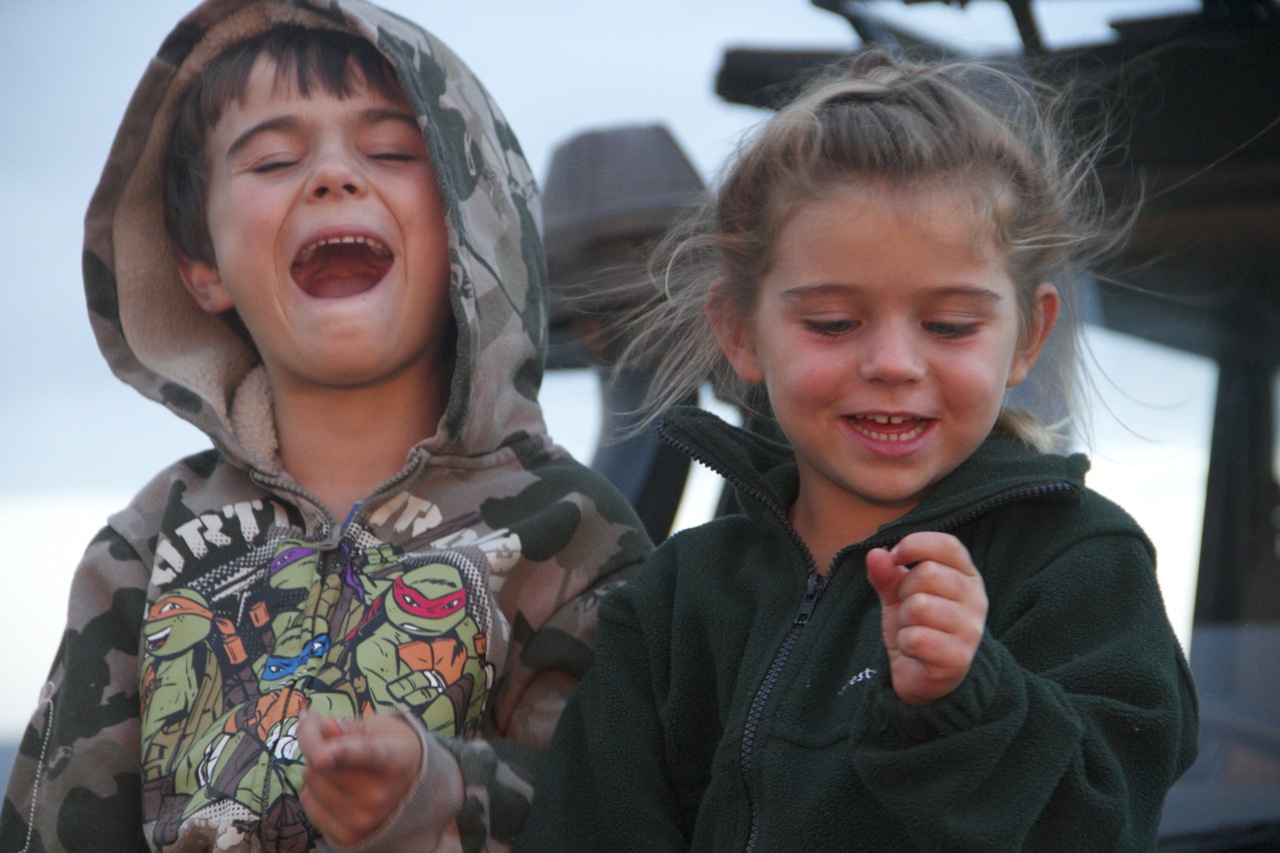
Lots of fun on safari in the Mara - where Howard and Steph first met 14 years ago!

Lots of fun on safari in the Mara – where Howard and Steph first met 14 years ago!

The Mara is one of our kids' favorite places!

The Mara is one of our kids’ favorite places!

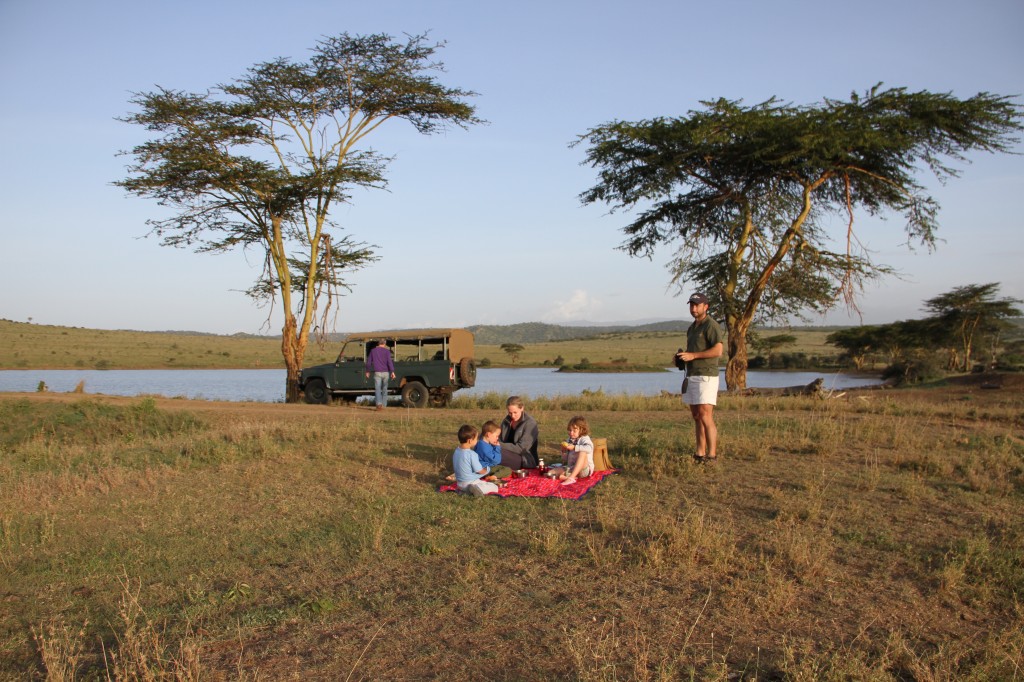
A sunset picnic dinner.

A sunset picnic dinner.

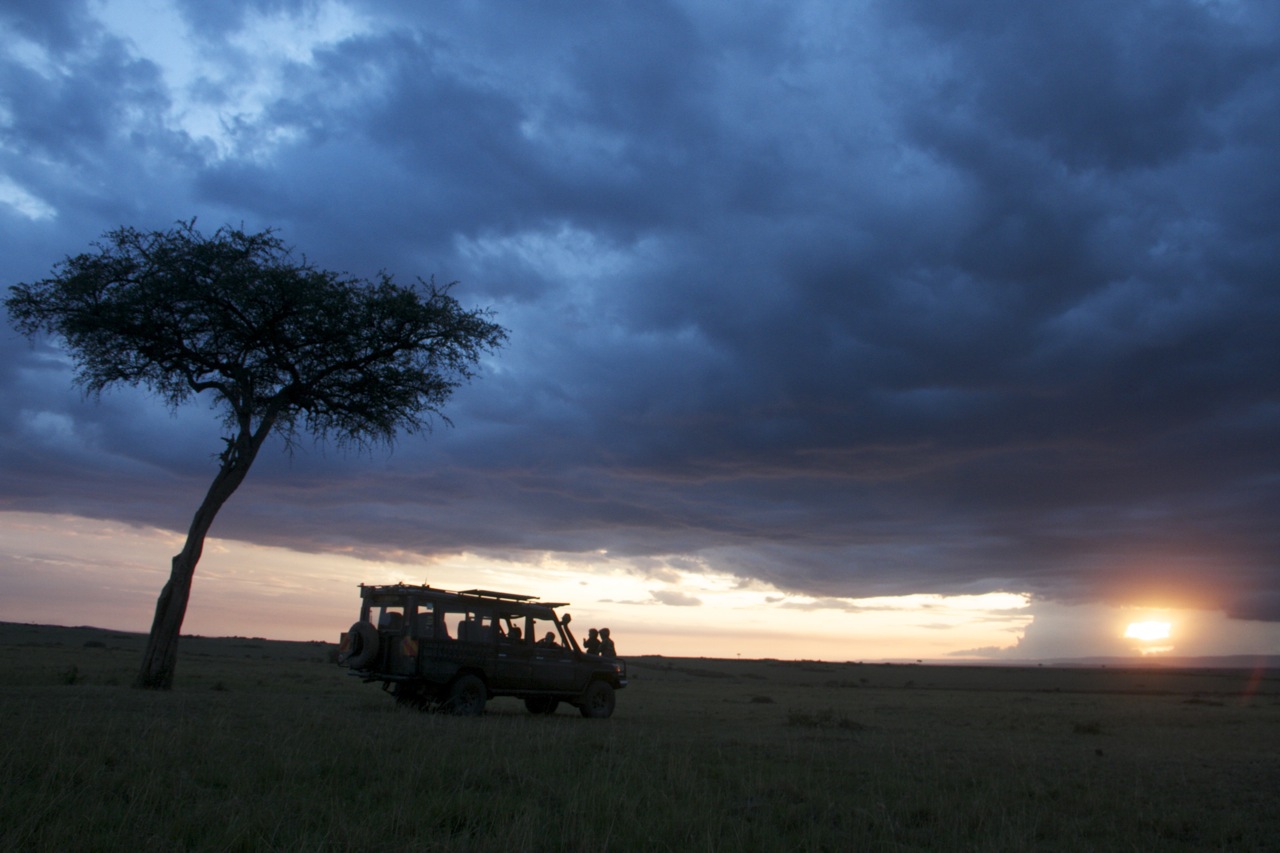
Another incredible Mara sunset.

Another incredible Mara sunset.


Dogsled safari in Swedish Lapland

Filed under: Arctic,blog,Sweden,Wildlife — Tags: , , , , , , , — By Howard Saunders @ 12:37 pm
Driving the family sled team through Swedish Lapland!

Driving the family sled team through Swedish Lapland!

We went on a very different kind of safari in February – a safari by dogsled in Swedish Lapland!

After a couple of nights in Stockholm, where we visited the incredible Vasa Museum, we flew to the town of Kiruna, above the Arctic Circle.

We were met at the airport by Kenth Fjellborg, who then drove us about 20 minutes to his homestead and dog kennel in Poikkijarvi. Kenth ran his dog team to an impressive 20th place finish in the 1994 Iditarod as a rookie and now runs Fjellborg Arctic in his hometown, specializing in dogsled adventures for international guests.

After a hearty meal of moose stew and warm lingonberry juice at Fjellborg’s beautifully equipped kennel, we all geared up with special Fjell Raven brand arctic clothing and had a crash course in hooking up and driving a dog team before heading out into the waning afternoon light for our first experience mushing. These dogs are running, pulling machines! But they are also well-trained, affectionate, and often comical. Oliver and Halina got to know the dogs quite well, and learned a lot about how to take care of dog teams from our guides, Anna and Jakob. We quickly learned how enjoyable driving a sled can be, and dog-powered transportation was a welcome, relaxing change from the diesel engine variety!

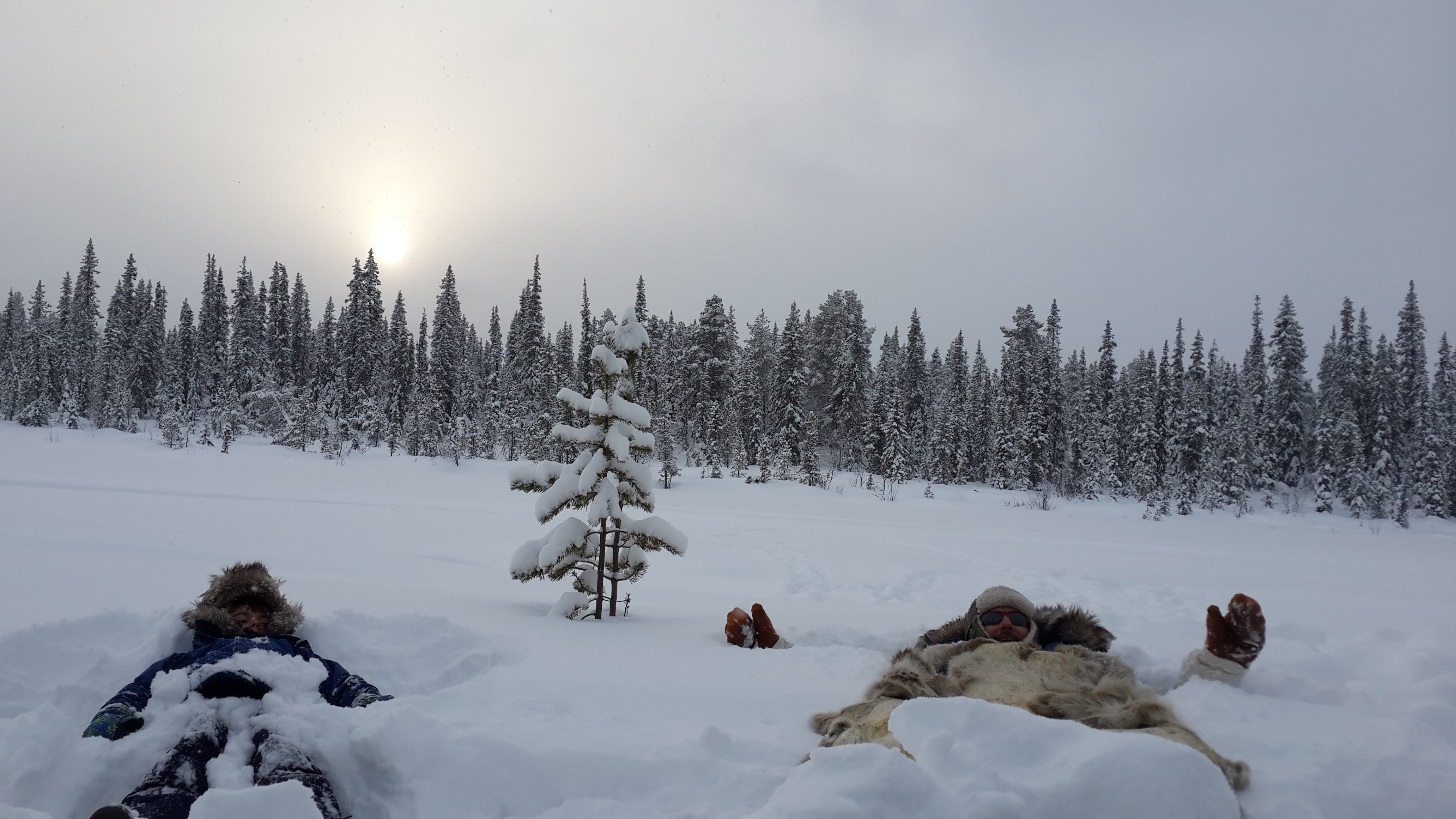
We spent two nights out in the wilderness, driving our teams to exclusive lodge-houses owned by Fjellborg. Meals included Arctic char, salmon stew, and reindeer burgers, as well as wine and the very nice local beer, Lapin Kulta. Each house had a separate traditional sauna, which we certainly made the most of each evening. Even little Halina made a few runs out of the sauna and into a snow drift, which would have made her late Finnish great-grandmother very proud!

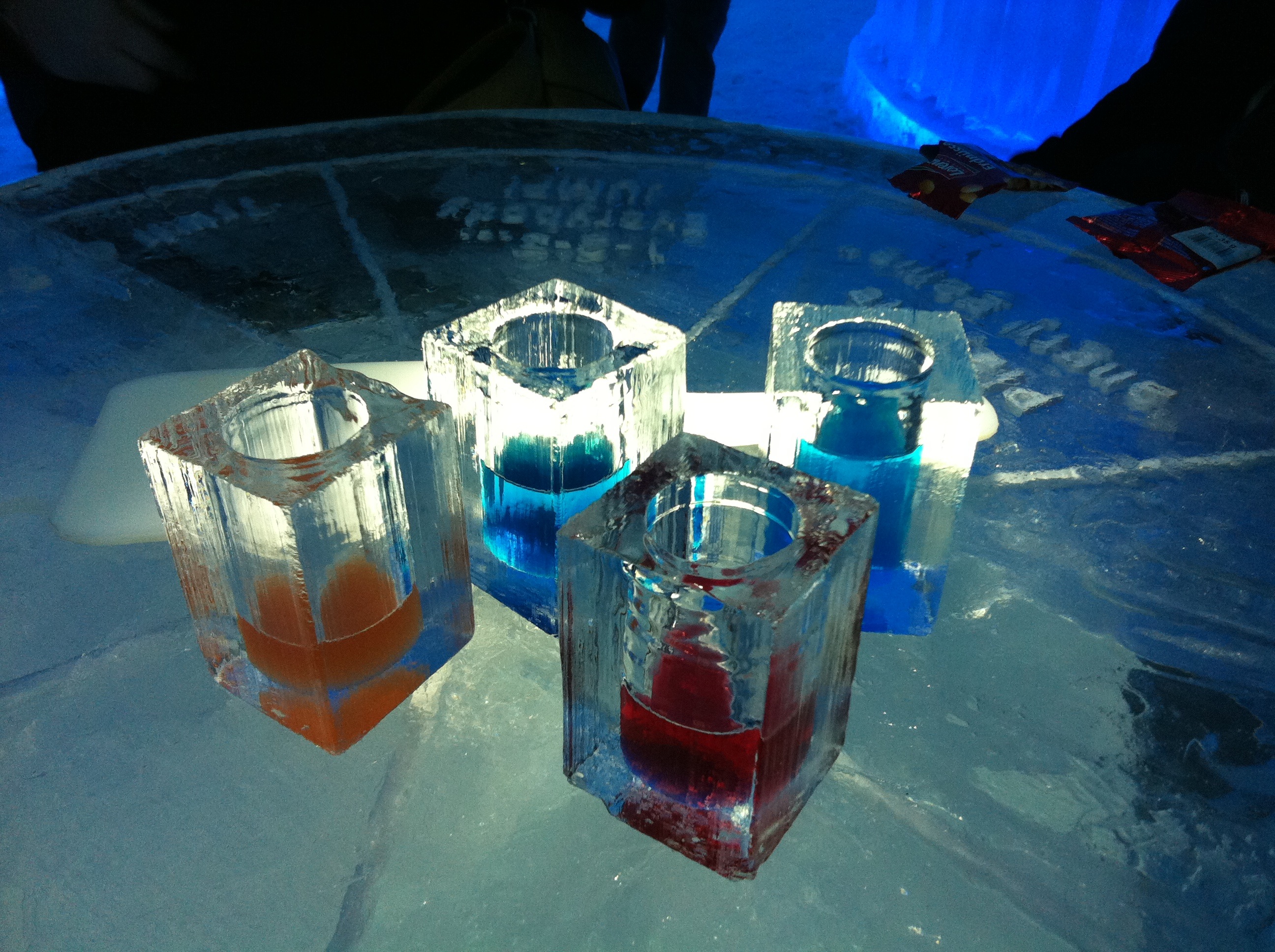
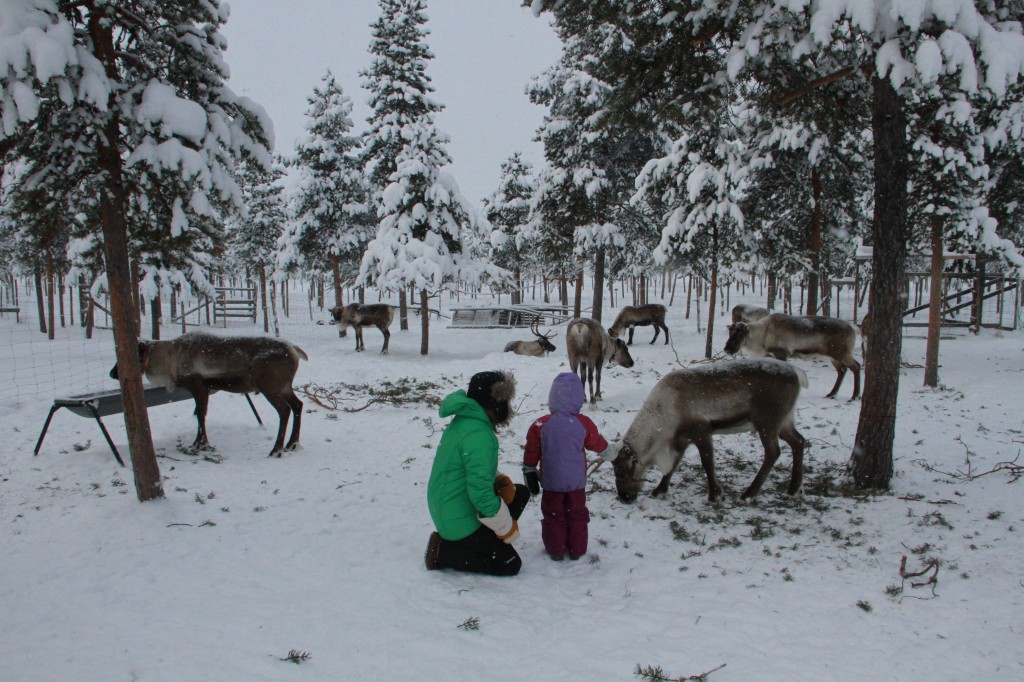
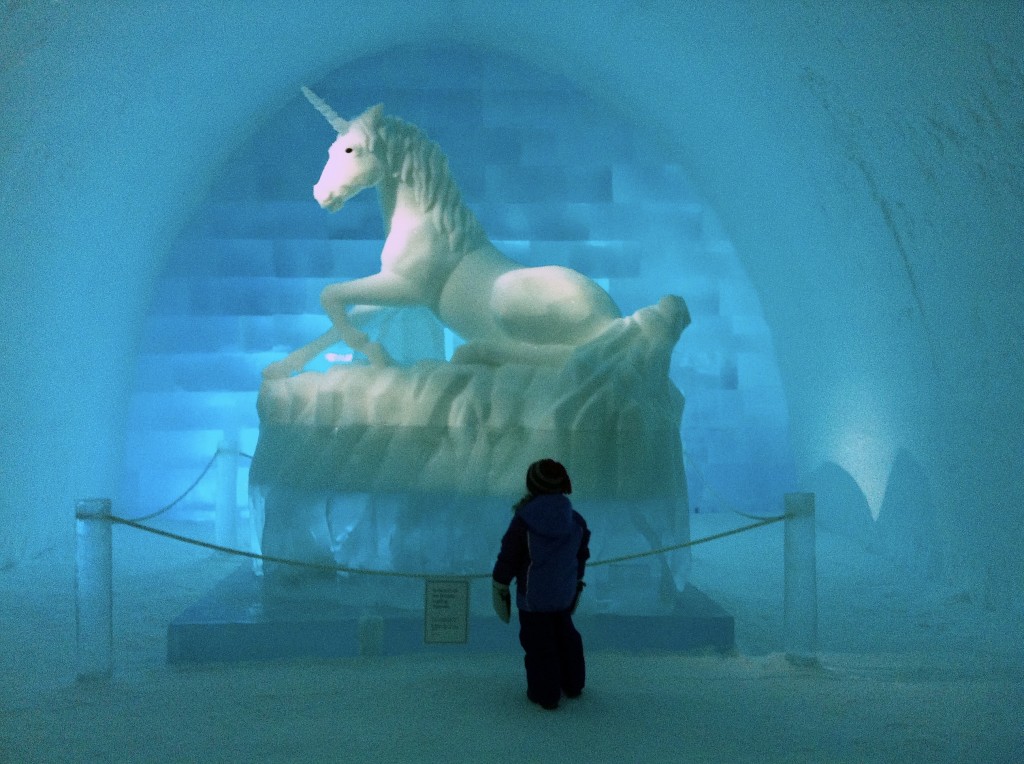
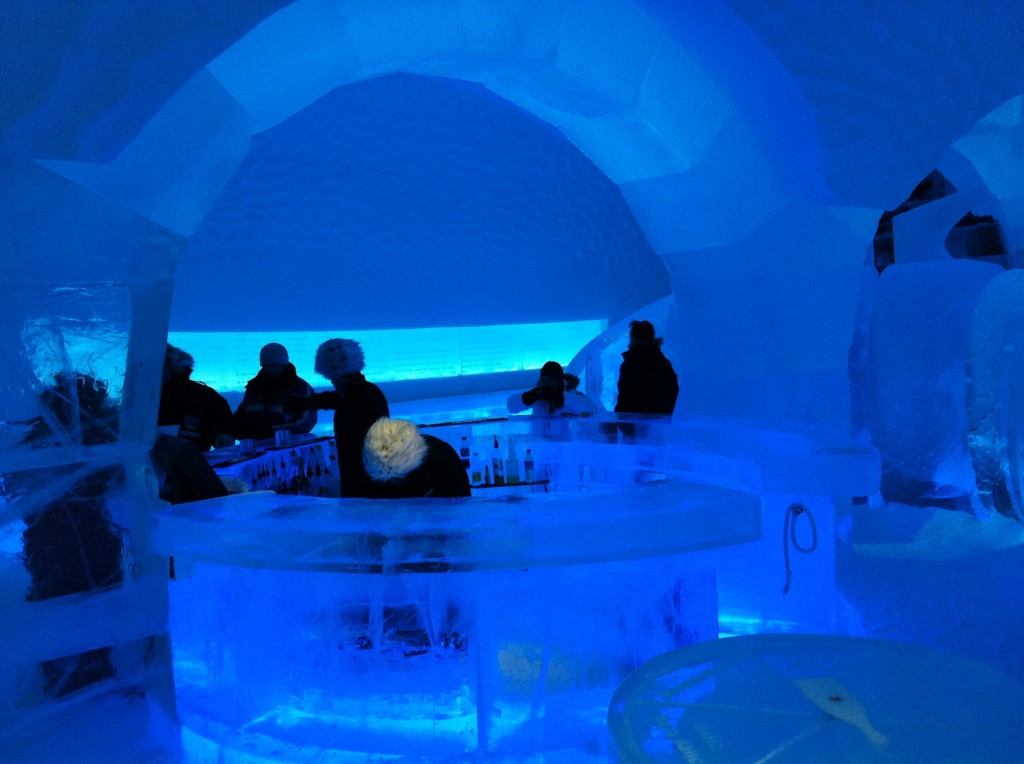
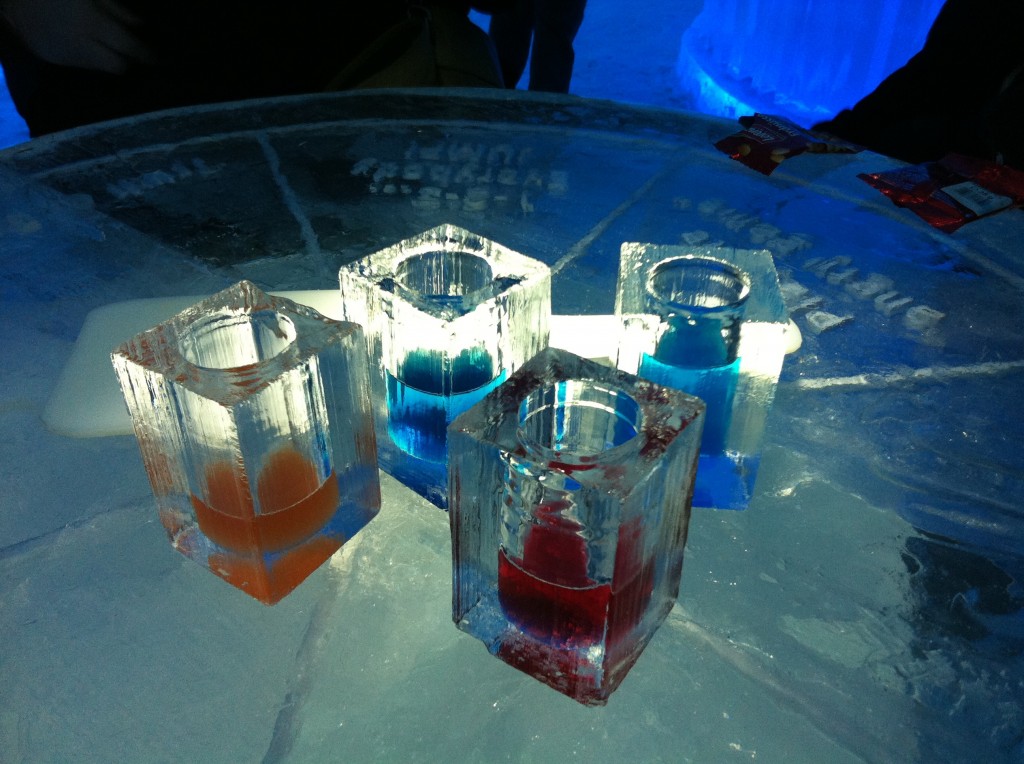
After two full days of dogs, saunas, and endless peaceful trails through arctic pine forests and over frozen rivers, we spent a final night back at the Fjellborg homestead and kennel. We toured the famous nearby Ice Hotel and had a few crazy colored cocktails at the bar, which is definitely a must-do if you ever find yourselves in this part of the world in the winter. We also learned about the history and culture of the Sami people and their reindeer. We were also lucky to see the northern lights on that last night in the Arctic – watching those mysterious dancing green ribbons of solar particles bouncing off the Earth’s atmosphere was something we will never forget.

This is an incredible trip for anyone interested in exclusive Arctic adventures, and can be customized for families with young children, couples, or groups of friends. As a founding fellow of the new Shackleton & Selous Society, this is also the kind of travel experience I can now suggest to my safari guests. We are building a network of the world’s best professional guides offering unmatched service and travel to the best places on your wish list. Stay tuned for dispatches from our next adventure, and please get in touch if you are ready to plan a safari to East Africa or beyond!
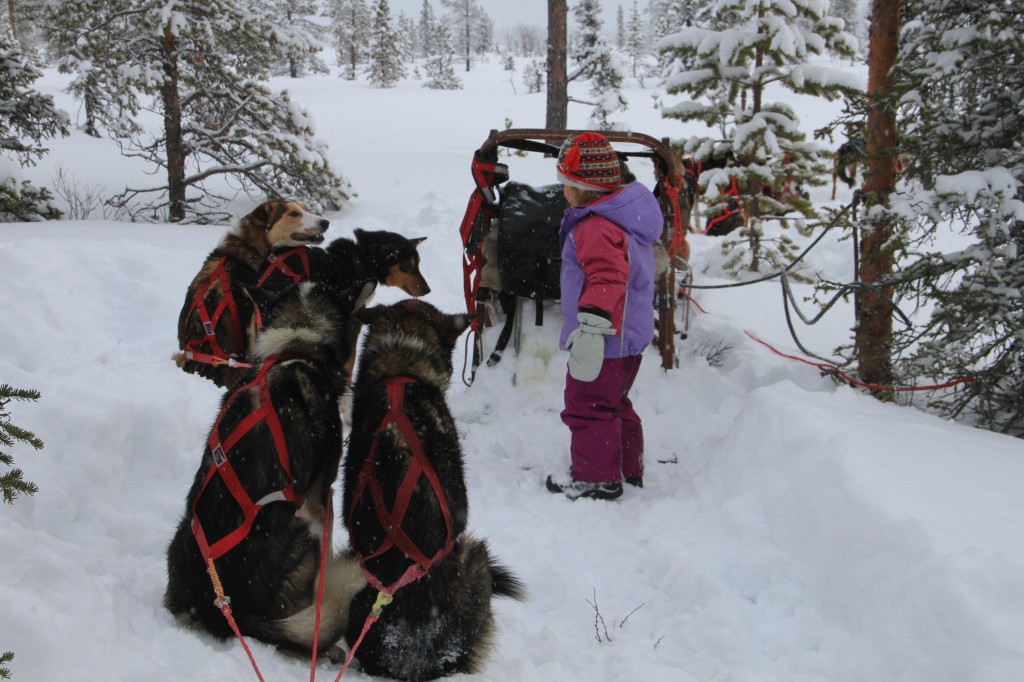
Ready to go with our new friends!
Ready to go with our new friends!

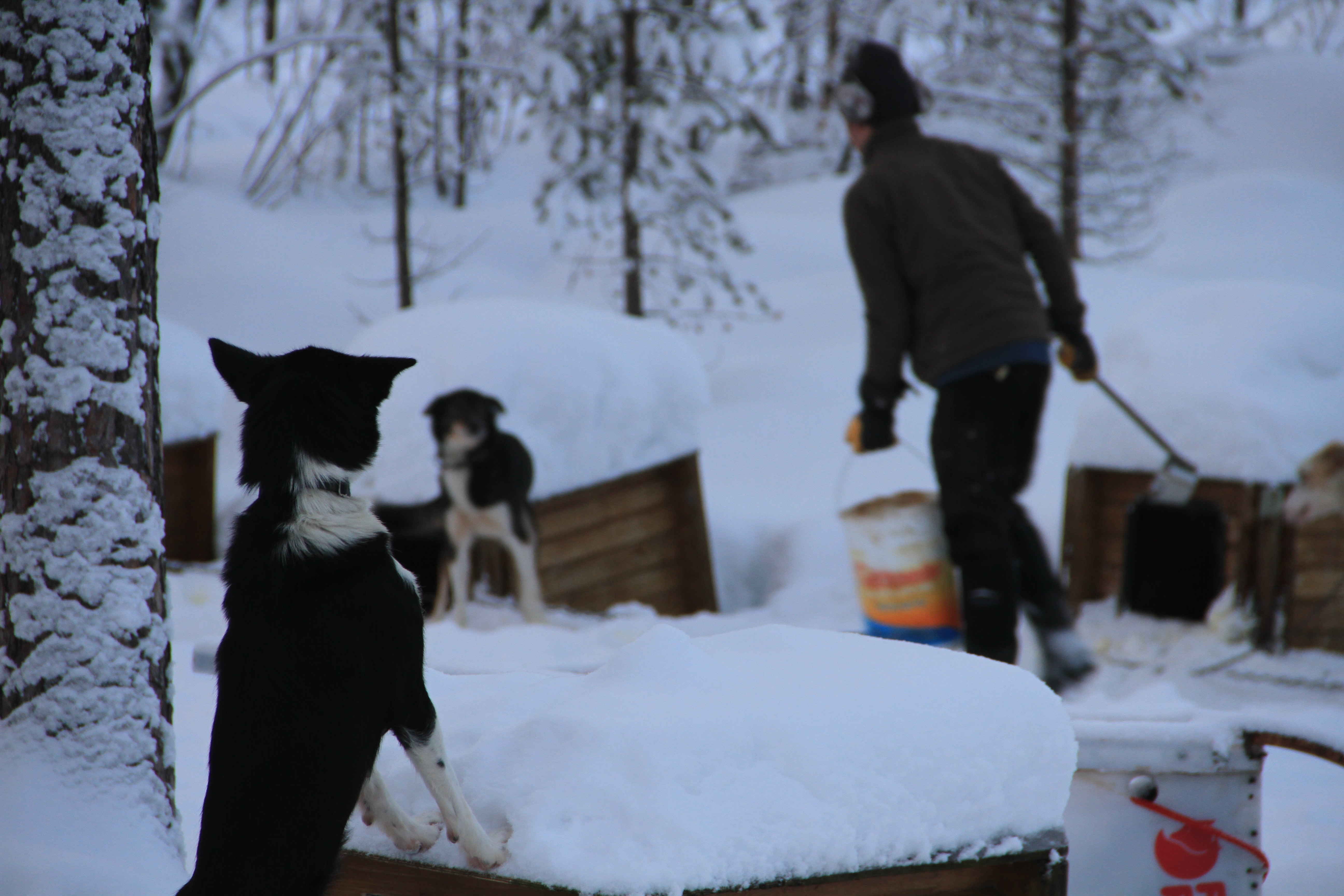
Harnessing the dogs!
Harnessing the dogs!

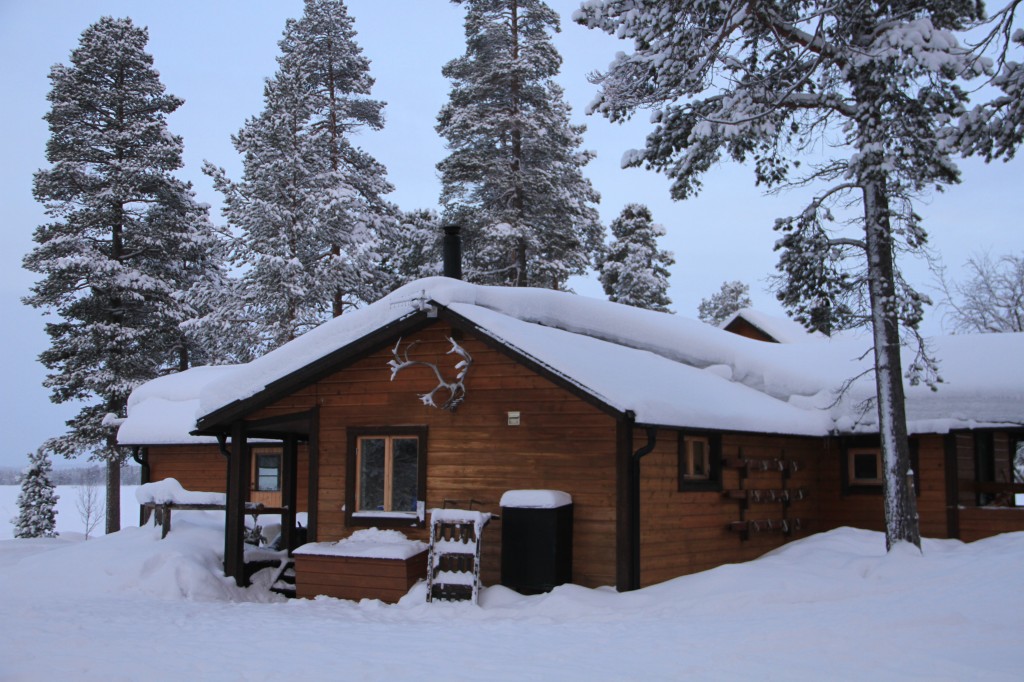
We stayed here on our first night.
We stayed here on our first night.

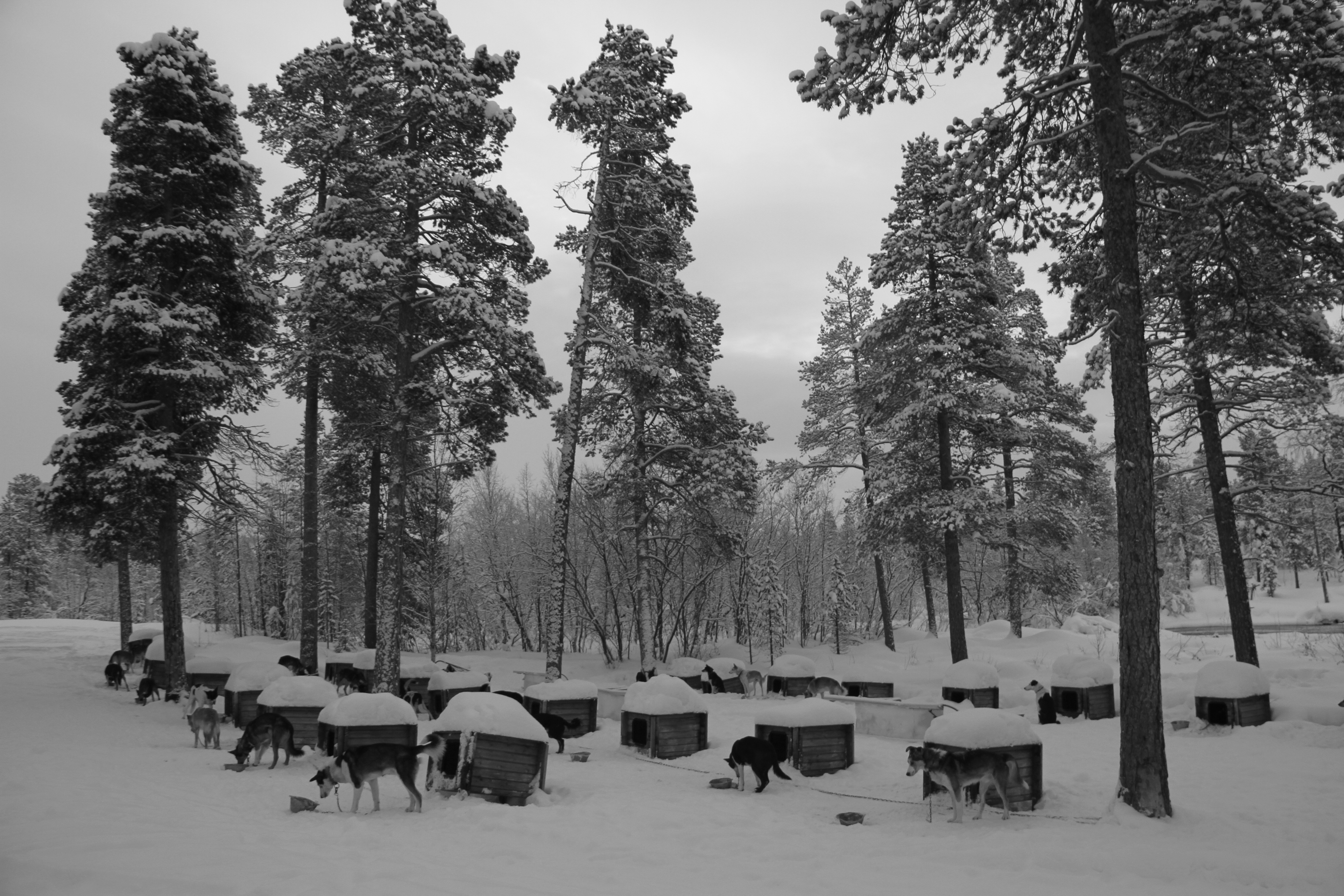
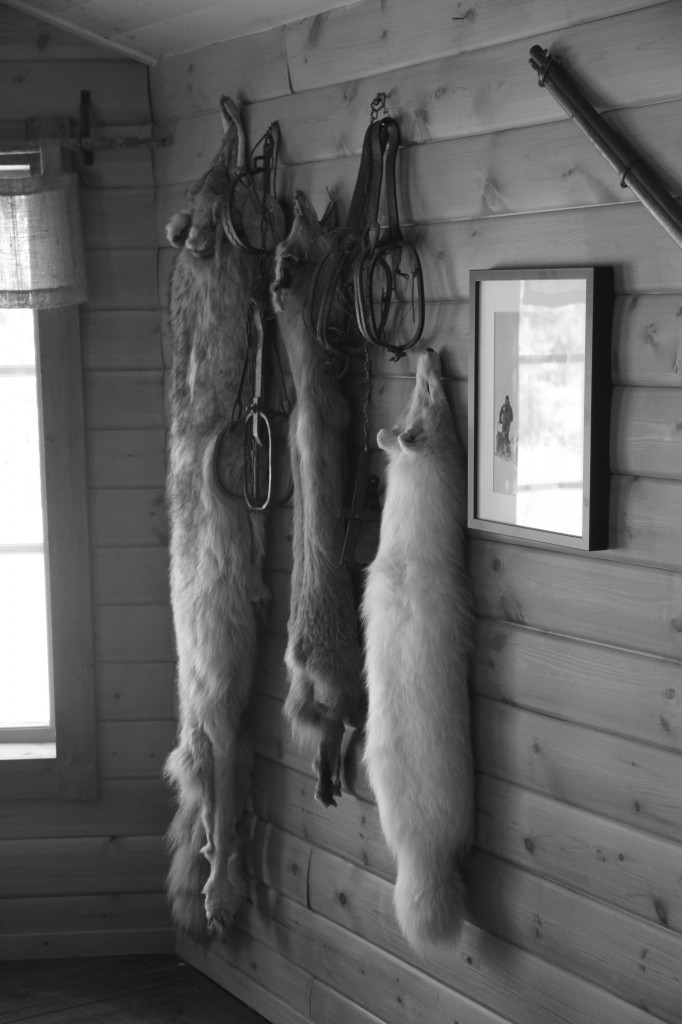
Hunting, fishing, and trapping are still a big part of life in Lapland.
Hunting, fishing, and trapping are still a big part of life in Lapland.

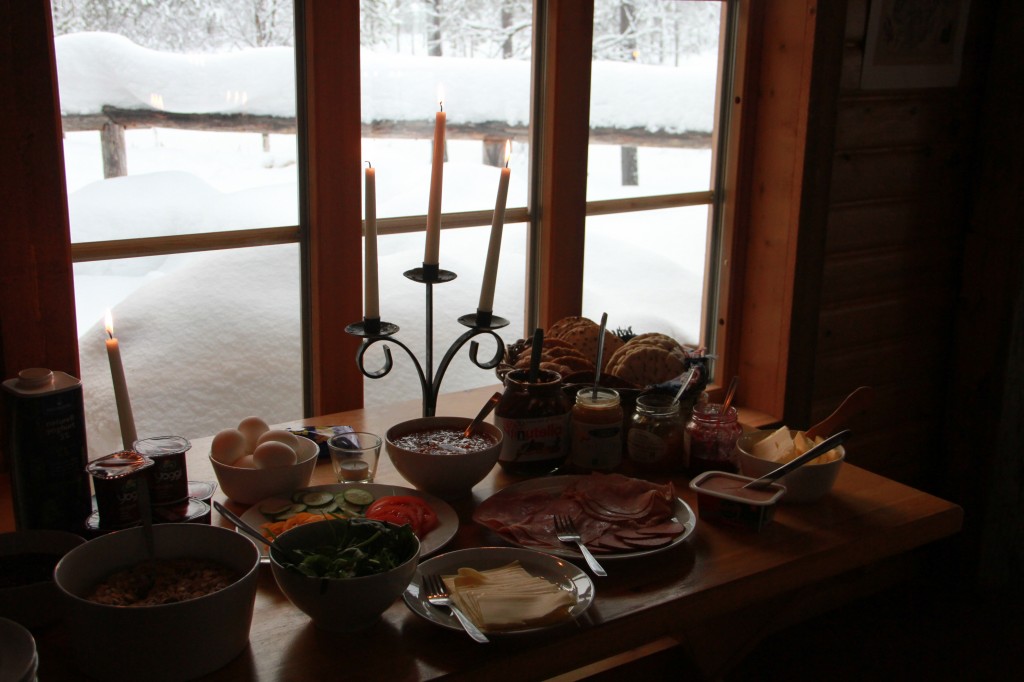
Breakfasts were definitely worth getting up for.

Breakfasts were definitely worth getting up for.

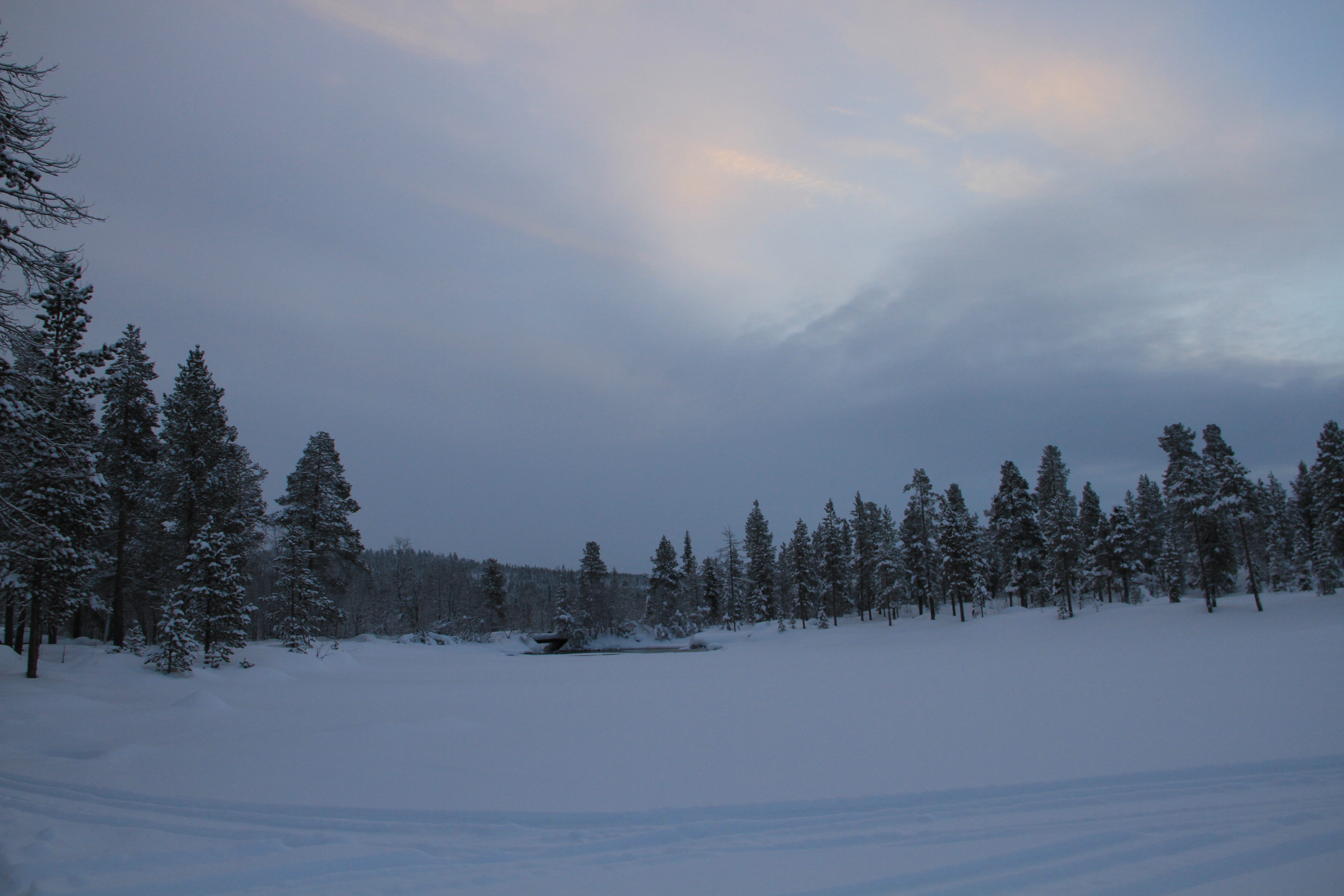
The view from camp.
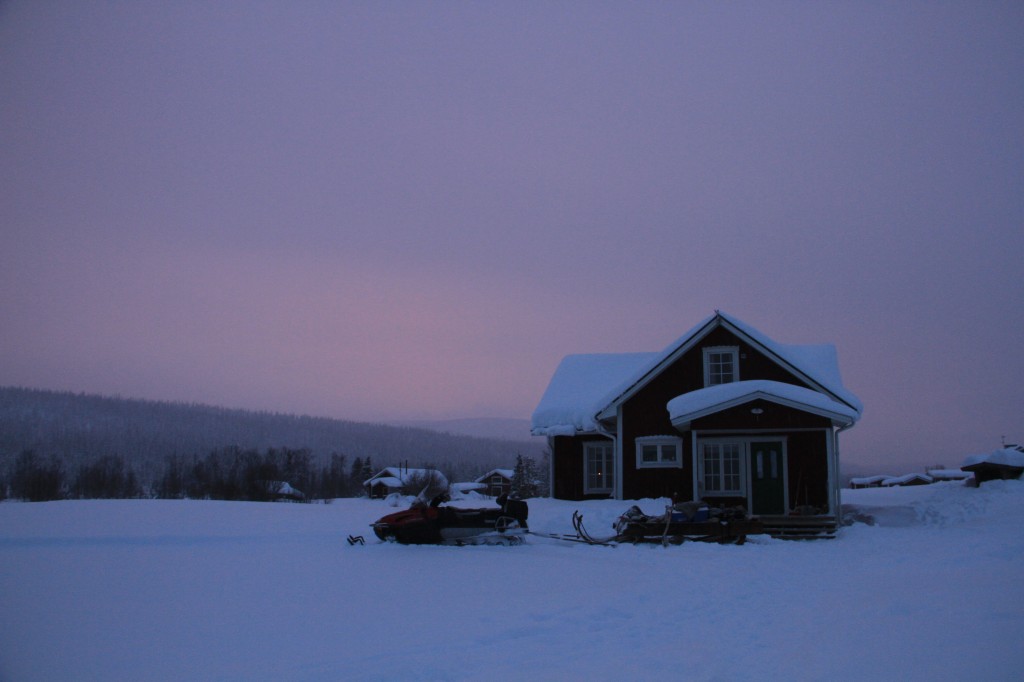
The view from camp.

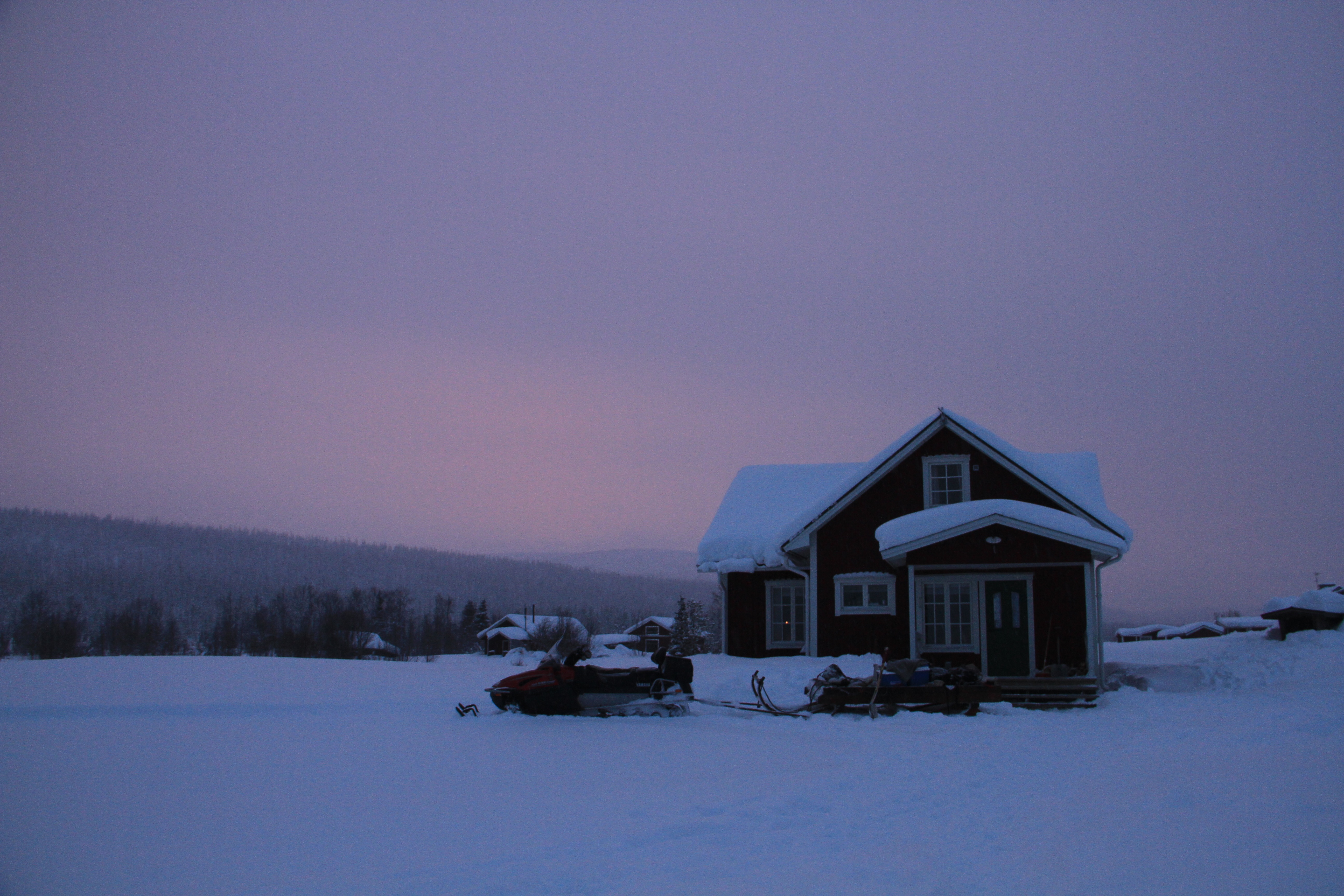
We stayed in this house on the second night.
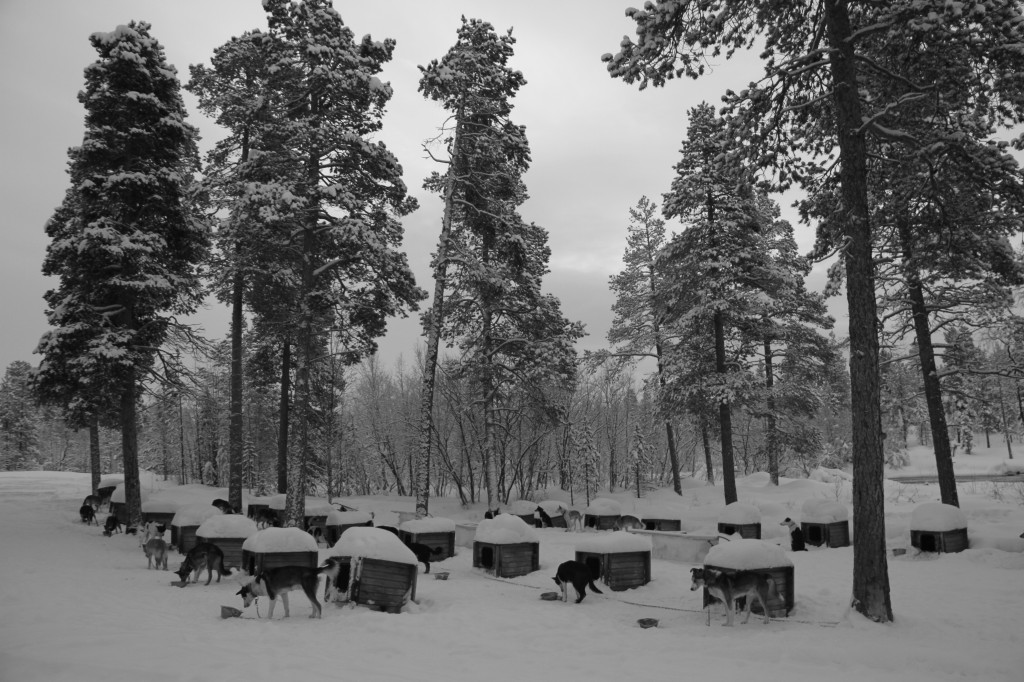
We stayed in this house on the second night.

Dog lodgings.
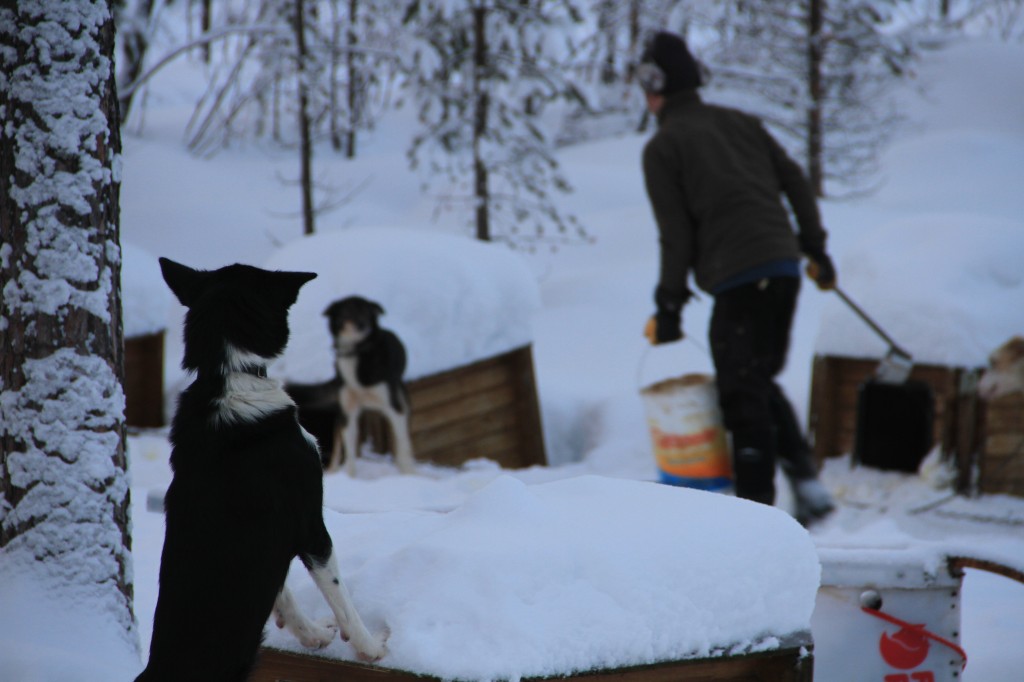
Dog lodgings.

Where's MY dinner?

Where’s MY dinner?

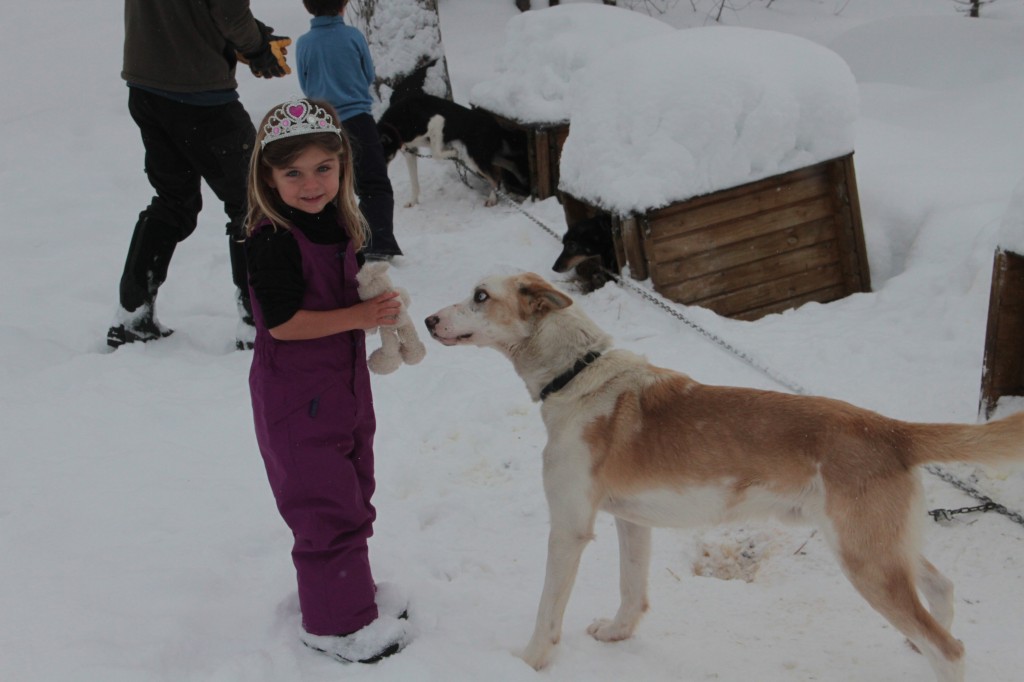
Queen Halina and her rabbit make a friend.
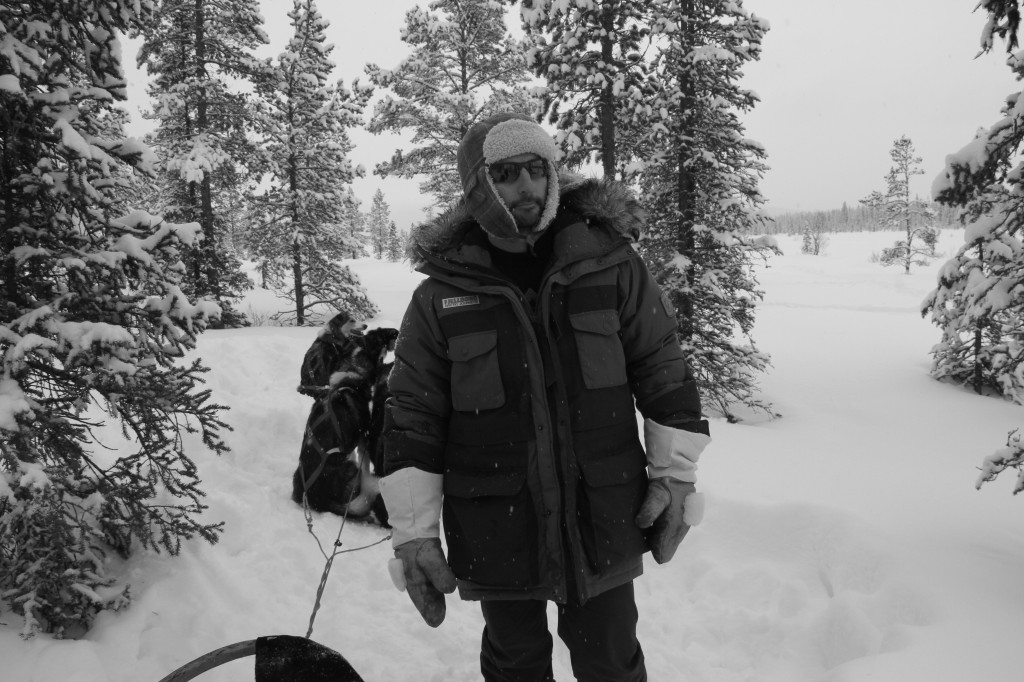
Queen Halina and her rabbit make a friend.

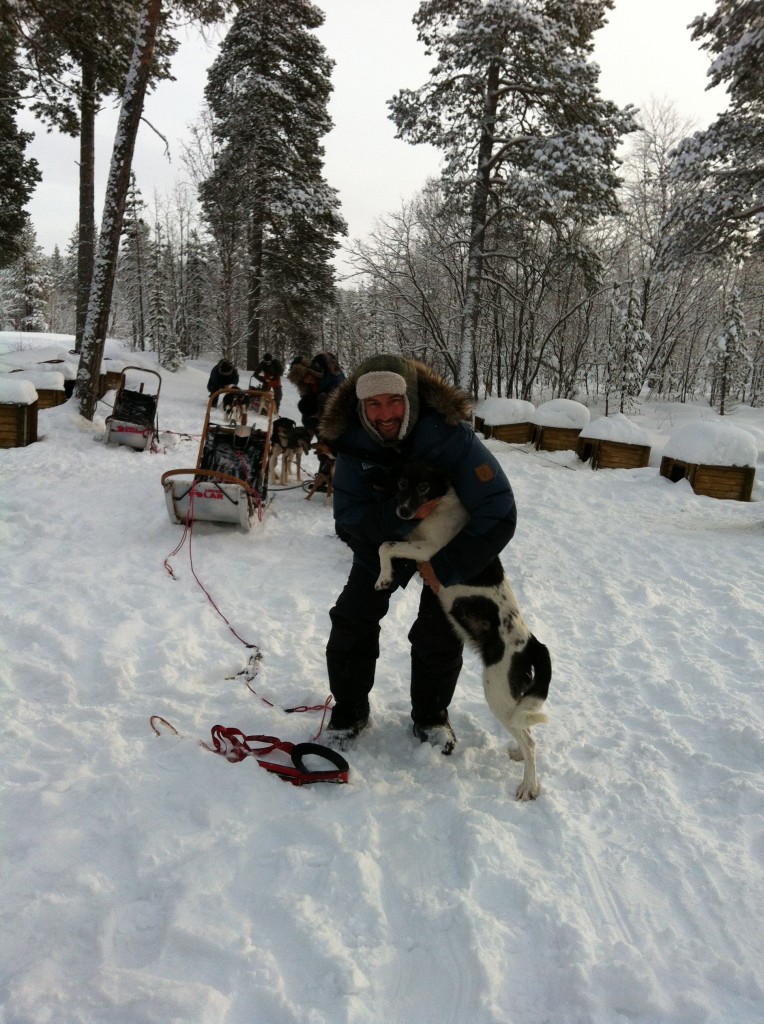
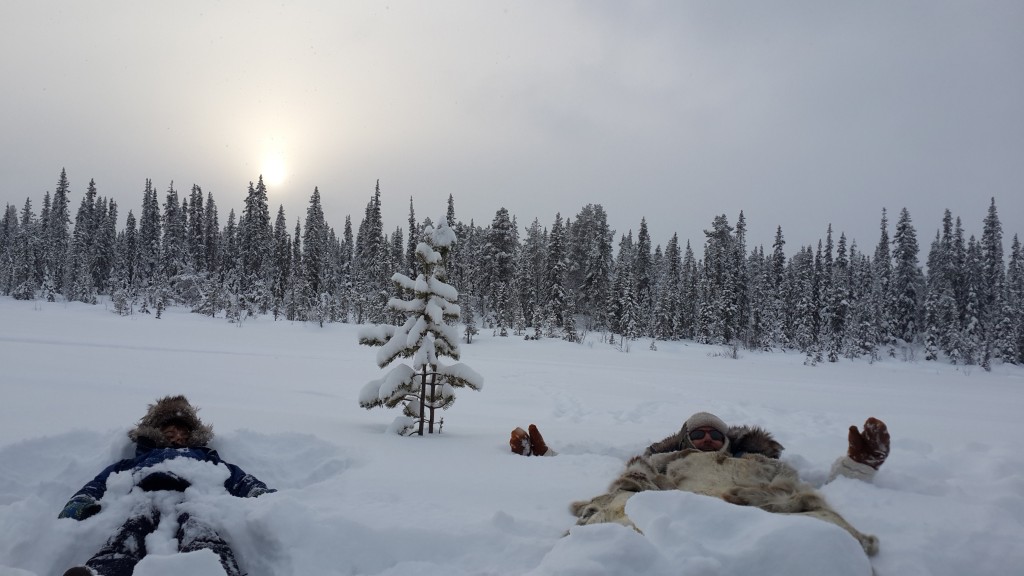
It actually wasn't quite as cold as it looks... but we were very glad to have the gear provided by Fjellborg Arctic.

It actually wasn’t quite as cold as it looks… but we were very glad to have the gear provided by Fjellborg Arctic.
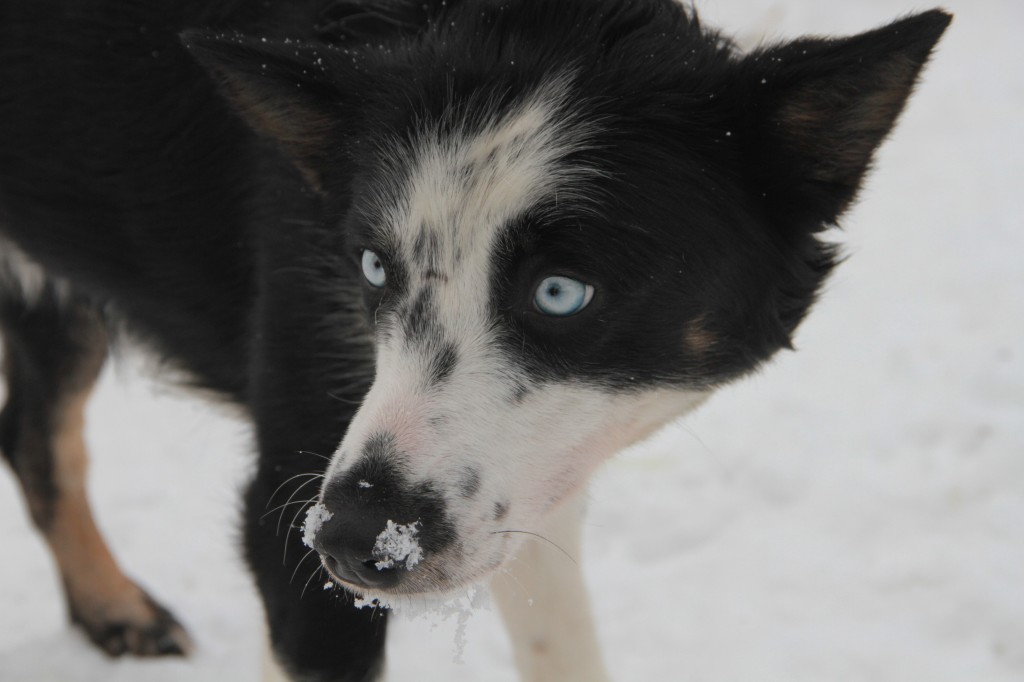
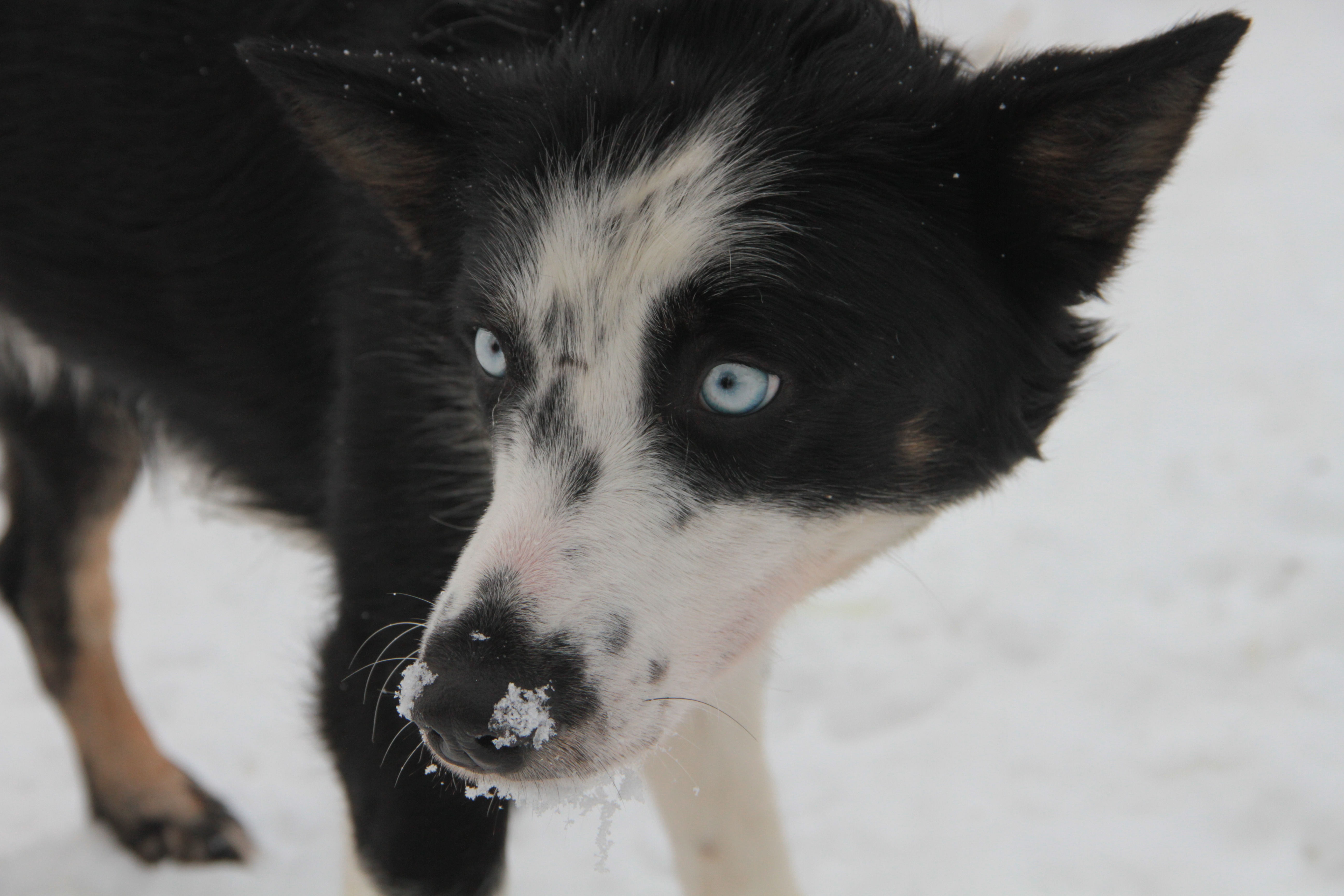
Love these dogs.
Love these dogs.

Ollie and Howard enjoyed the lunch break even though the sun was already setting!
Ollie and Howard enjoyed the lunch break even though the sun was already setting!

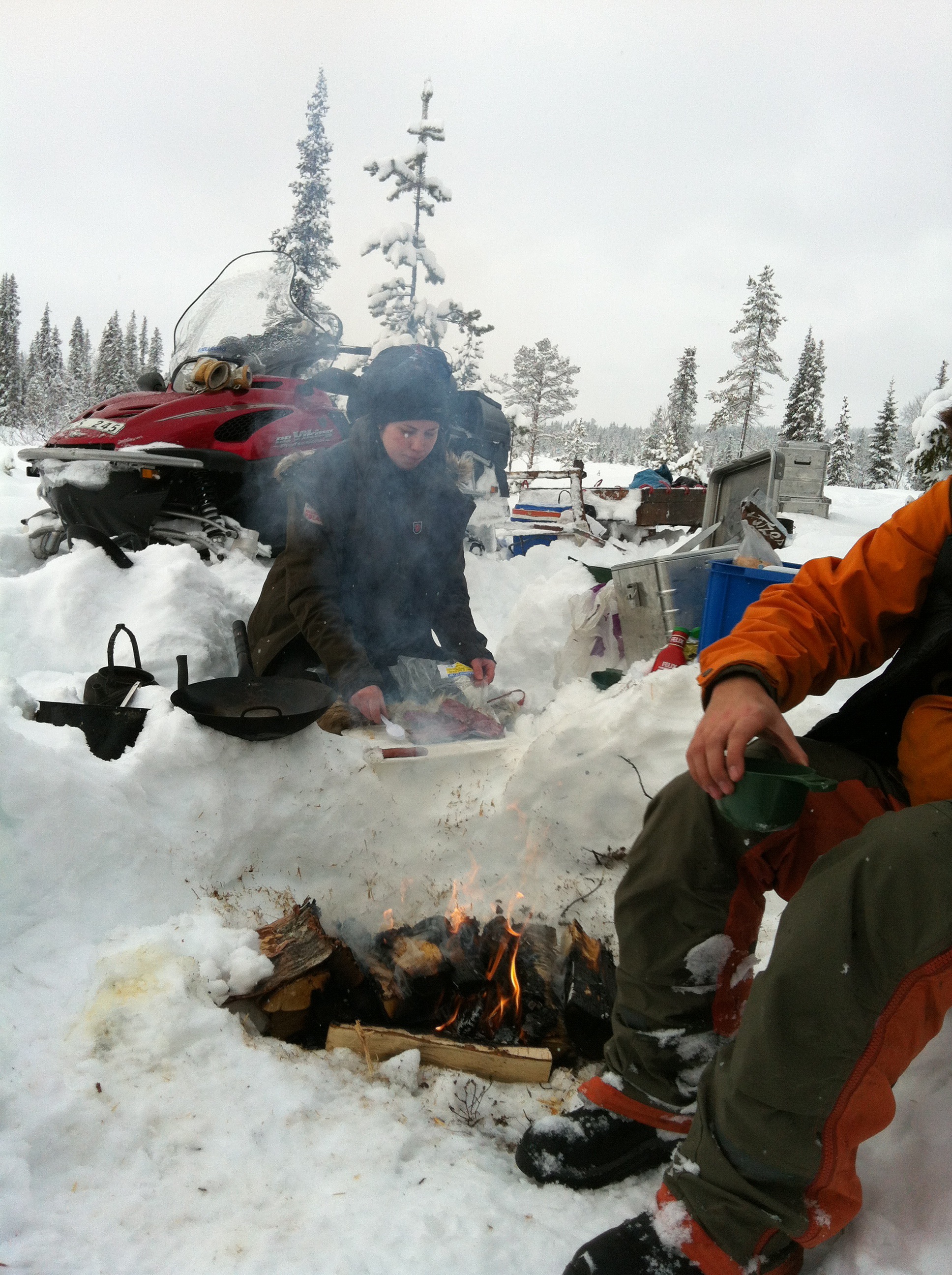
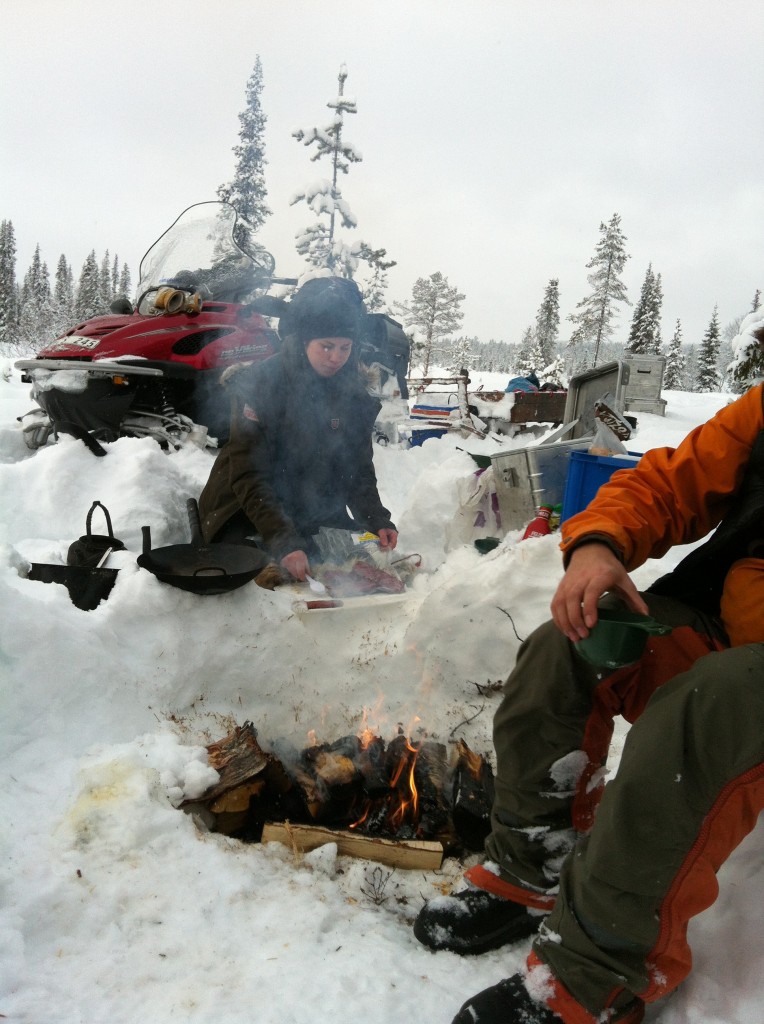
Reindeer burgers cooked on a roaring fire - not bad for lunch on the trail.

Reindeer burgers cooked on a roaring fire – not bad for lunch on the trail.
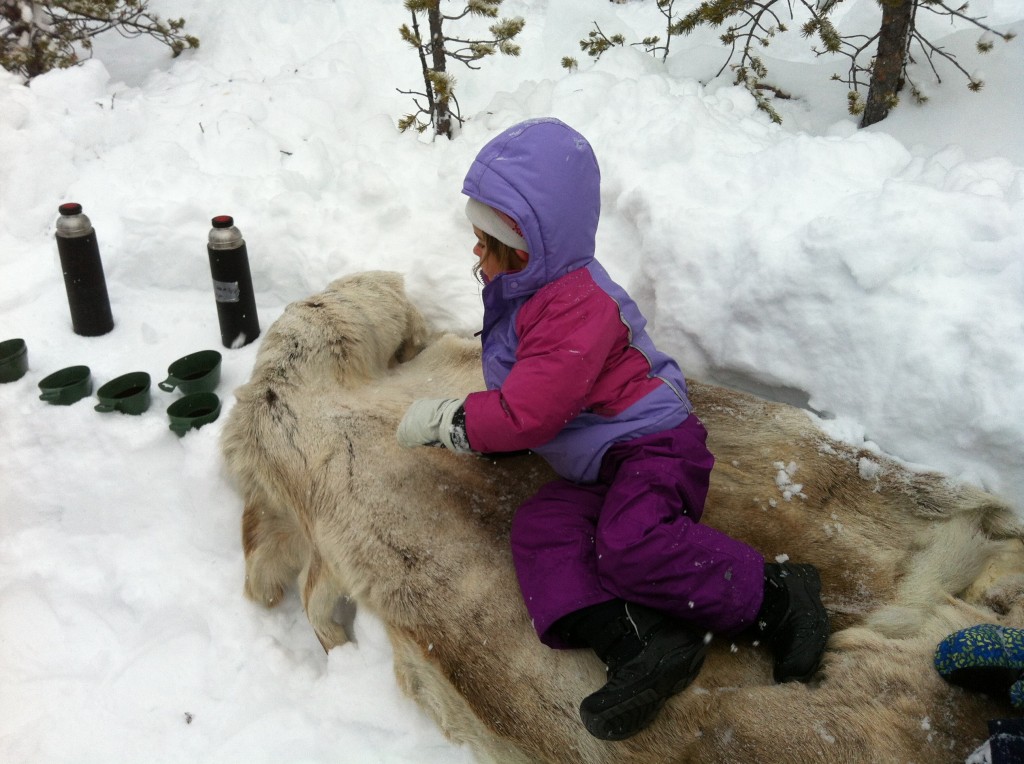
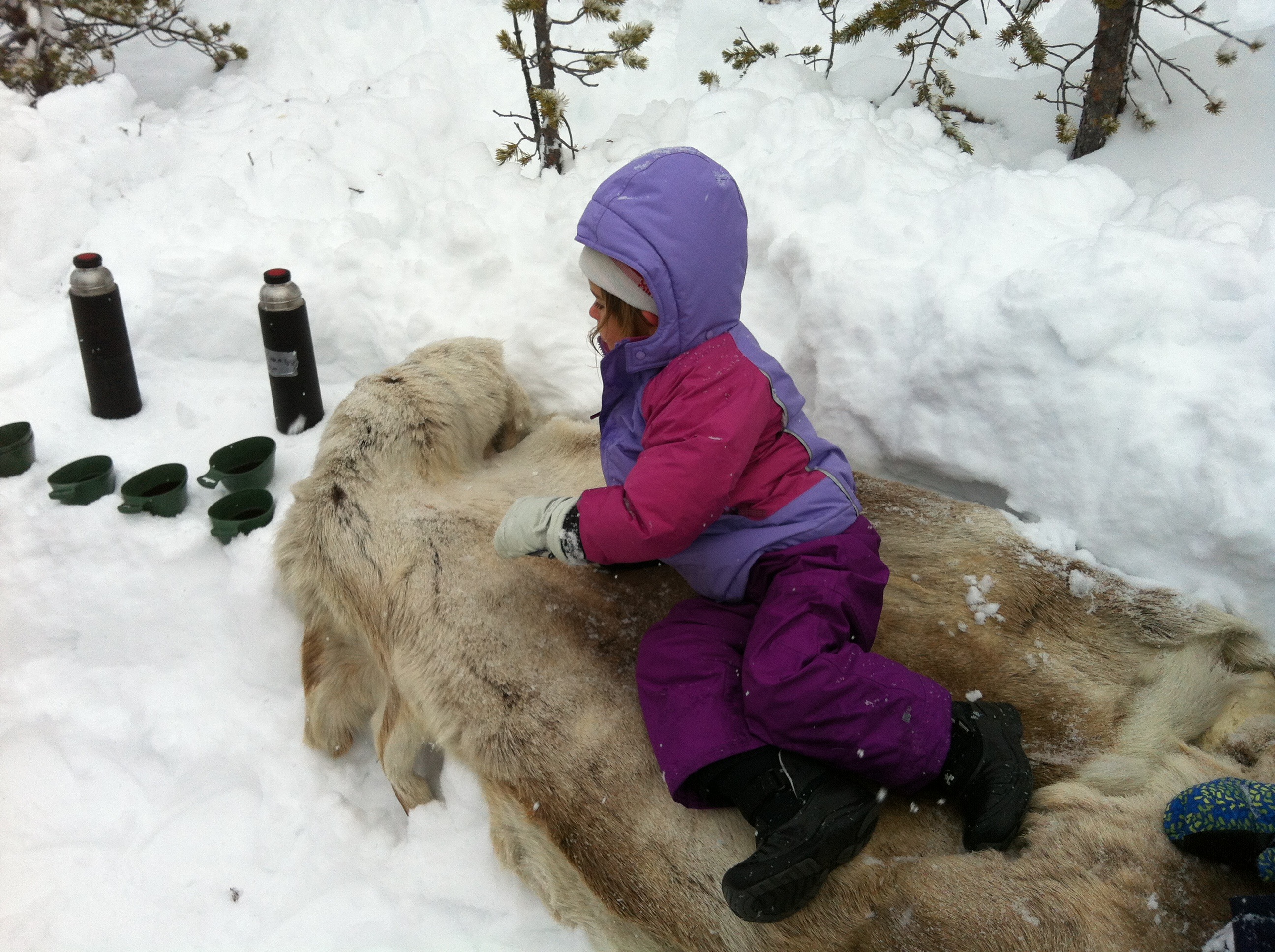
Reindeer skins to sit on and plenty of chai and warm lingonberry juice.

Reindeer skins to sit on and plenty of chai and warm lingonberry juice.

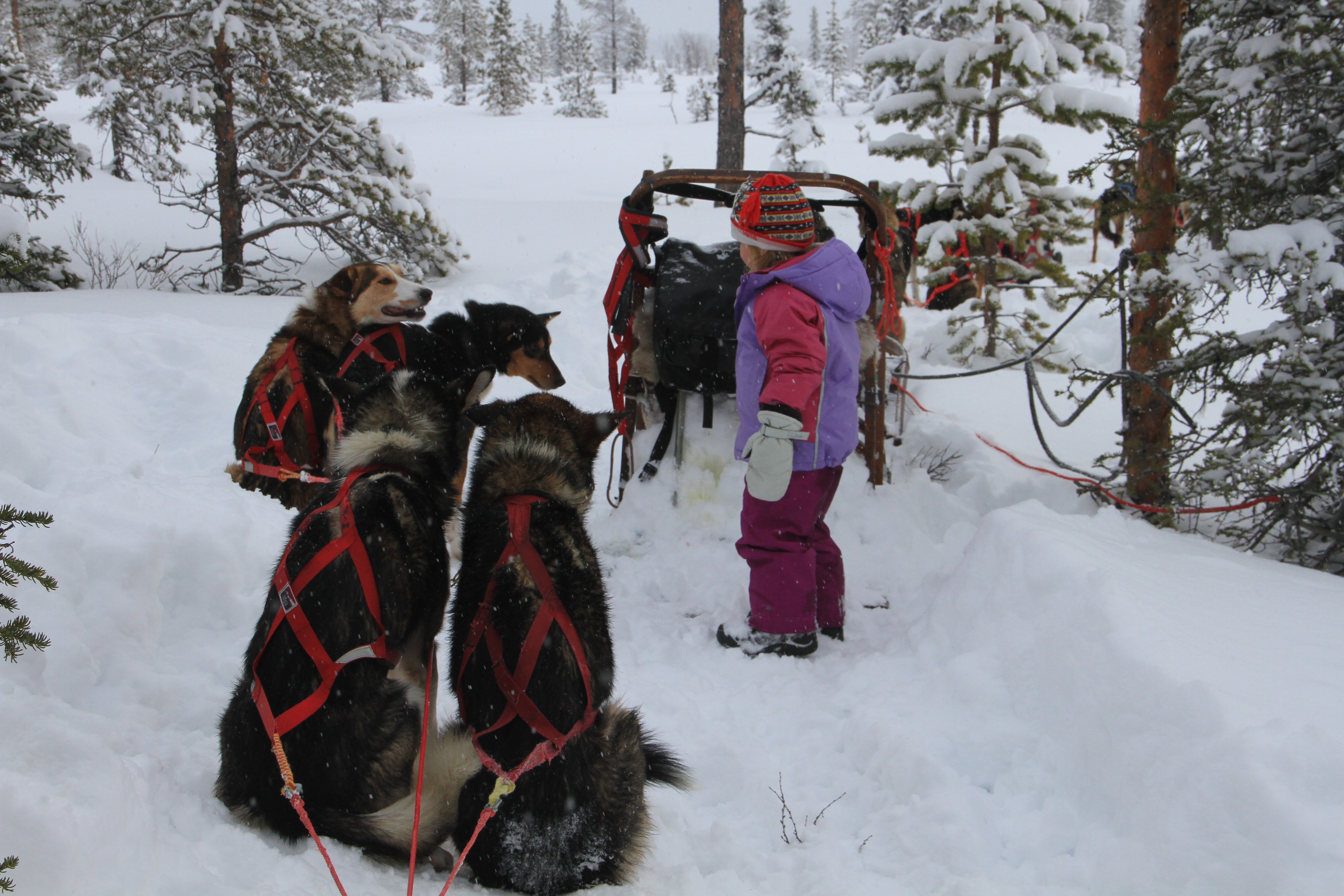
Halina and the dogs waiting for everybody else to get back on the trail!
Halina and the dogs waiting for everybody else to get back on the trail!

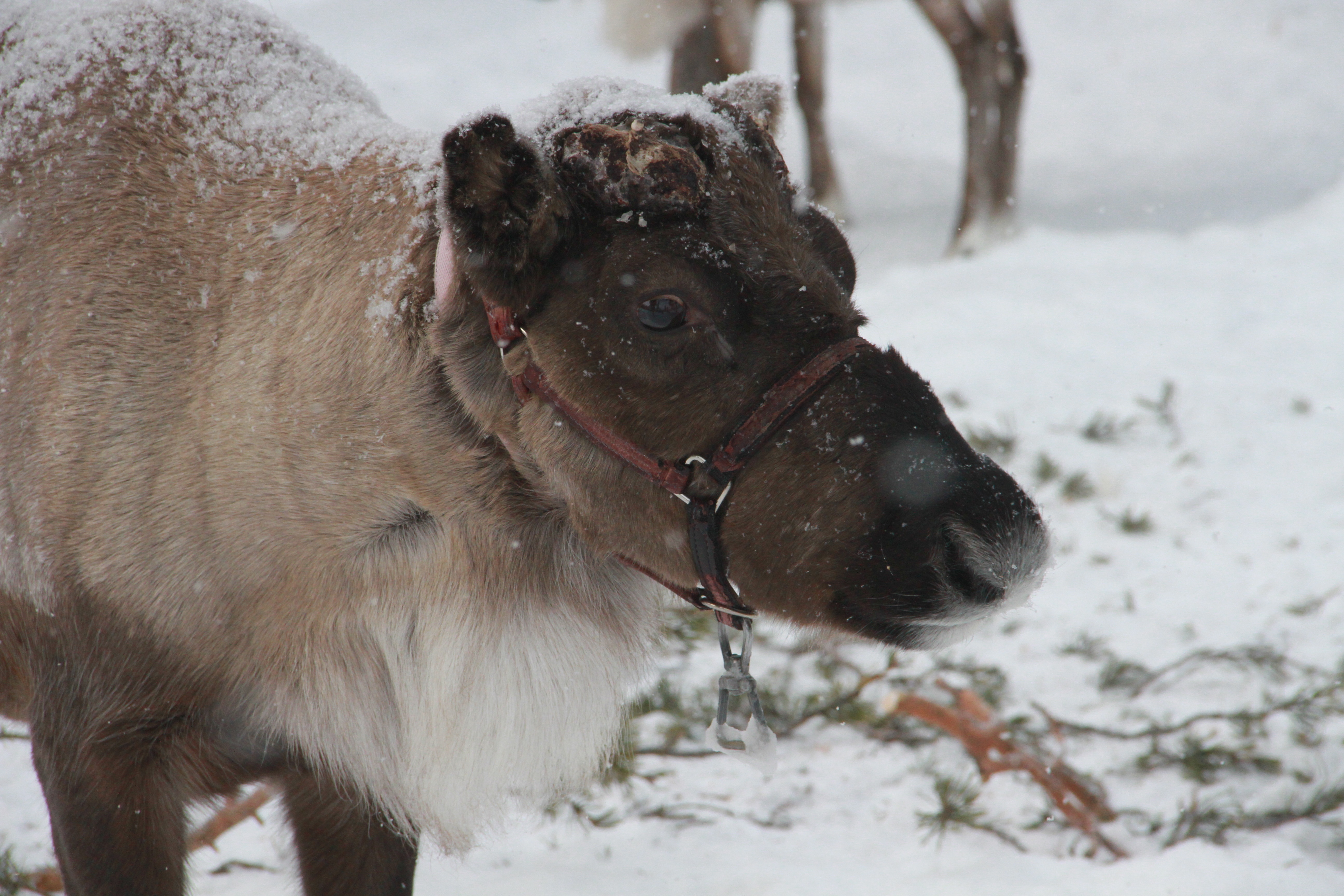
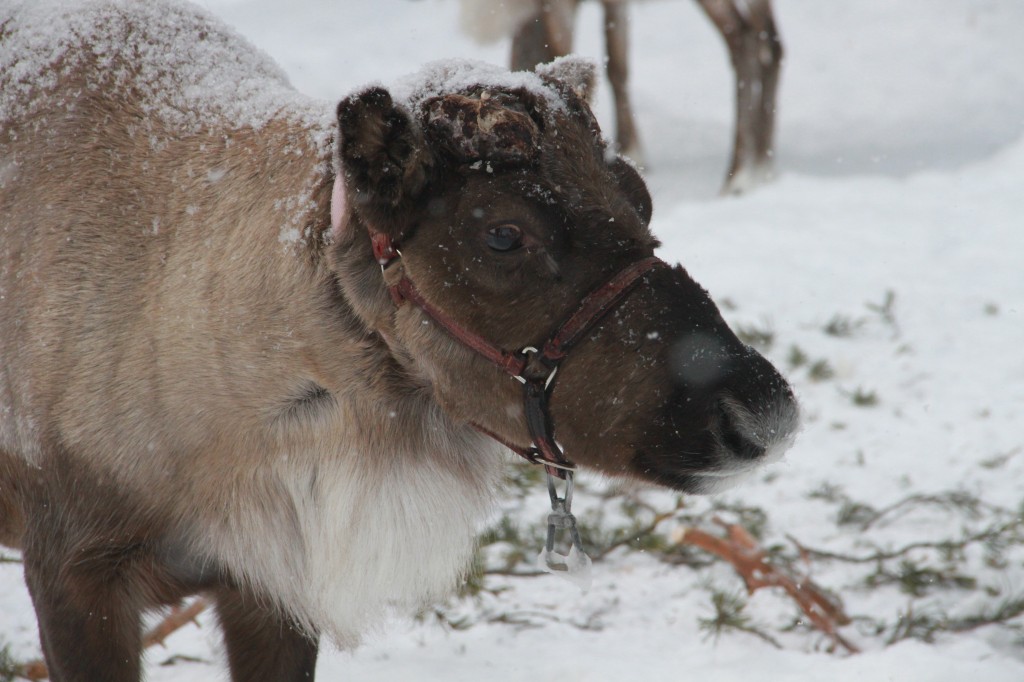
Up close and personal with reindeer.
Up close and personal with reindeer.

Learning about reindeer and the Sami people.
Learning about reindeer and the Sami people.

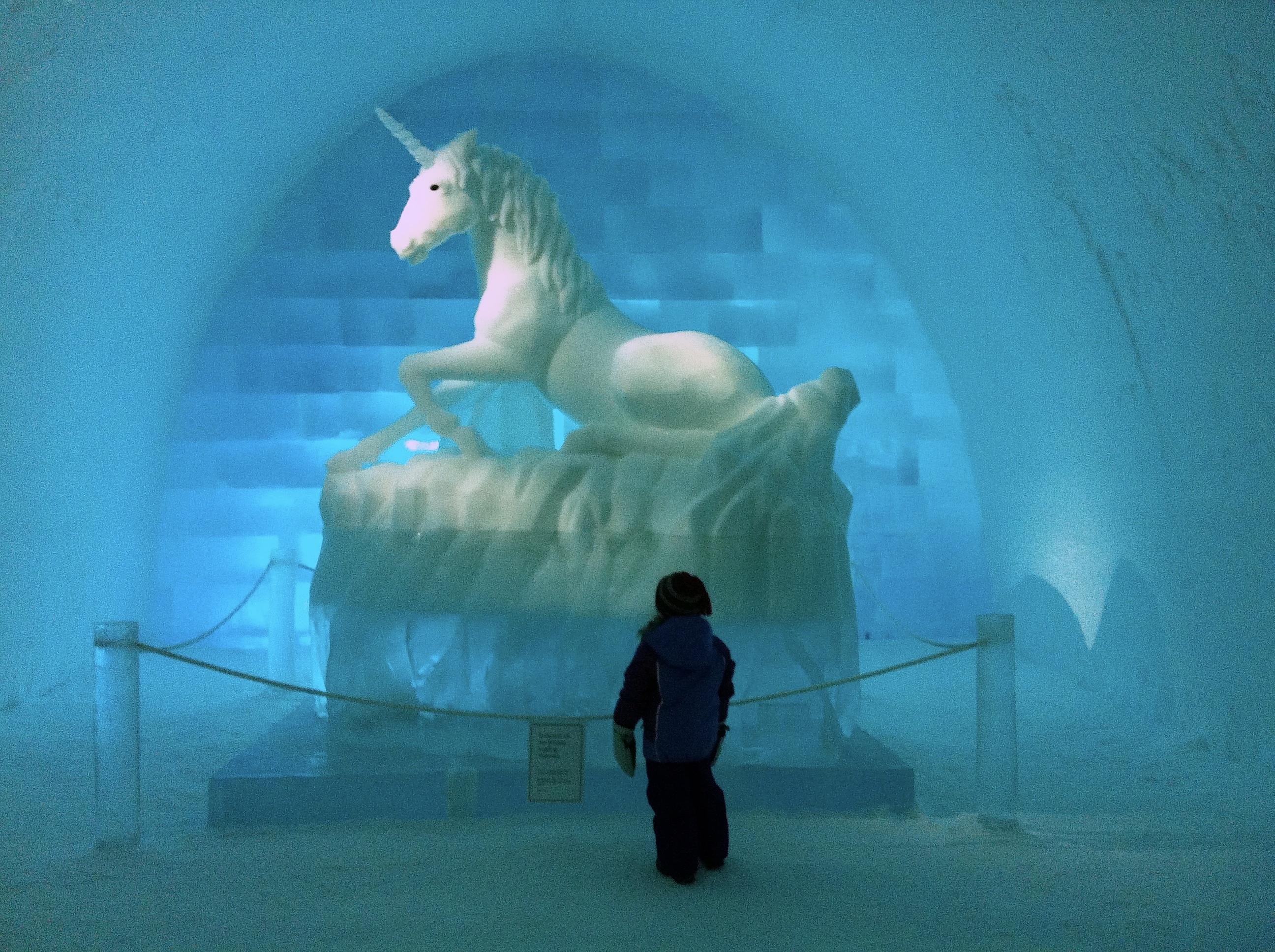
Halina loved this unicorn made of snow and ice, and the entire hotel was filled with the most incredible ice art.
Halina loved this unicorn made of snow and ice, and the entire hotel was filled with the most incredible ice art.

The bar at the Ice Hotel. Yes, everything is made of ice!
The bar at the Ice Hotel. Yes, everything is made of ice!

Drinks at the Ice Hotel - vodka cocktails in glasses made of ice, sitting on an ice table!

Drinks at the Ice Hotel – vodka cocktails in glasses made of ice, sitting on an ice table!

Family safari to Amboseli

Filed under: Amboseli,blog,Kenya,lions,Maasai,Wildlife — Tags: , , , — By Howard Saunders @ 2:22 pm


Classic Amboseli.

Classic Amboseli.

The kids and I spent part of the Easter holiday on a “play” safari in the Amboseli area. The rains arrived just as we did, and although the resultant mud meant we couldn’t get to our favorite site at Soit Nado, we did get to enjoy an incredible number of chameleons! We spent some time with the eles and tracked lions with Mtito before we visited Ol Donyo lodge in the Chyulu Hills. And the big highlight of the trip was a very colorful Maasai wedding near the Namanga airstrip, where we celebrated the marriage of our watchman and dog handler, Patrick! We felt very privileged to be invited to this event and it capped a great family safari. We are already looking forward to the safari season, and we will be back in Amboseli next month.

We found a lot of chameleons!

We found a lot of chameleons!

Halina holds a chameleon on the road to Amboseli.

Halina holds a chameleon on the road to Amboseli.

This chameleon had amazing colors on display.

This chameleon had amazing colors on display.

A few of Amboseli's famous eles.

A few of Amboseli’s famous eles.

We enjoyed hanging out with these guys.

We enjoyed hanging out with these guys.

Ollie helps Mtito the Lion Guardian track lions.

Ollie helps Mtito the Lion Guardian track lions.

Baby goats were at the wedding.

Baby goats were at the wedding.

The kids with Patrick on his wedding day.

The kids with Patrick on his wedding day.

The kids got to know an orphaned tommie pretty well.

The kids got to know an orphaned tommie pretty well.

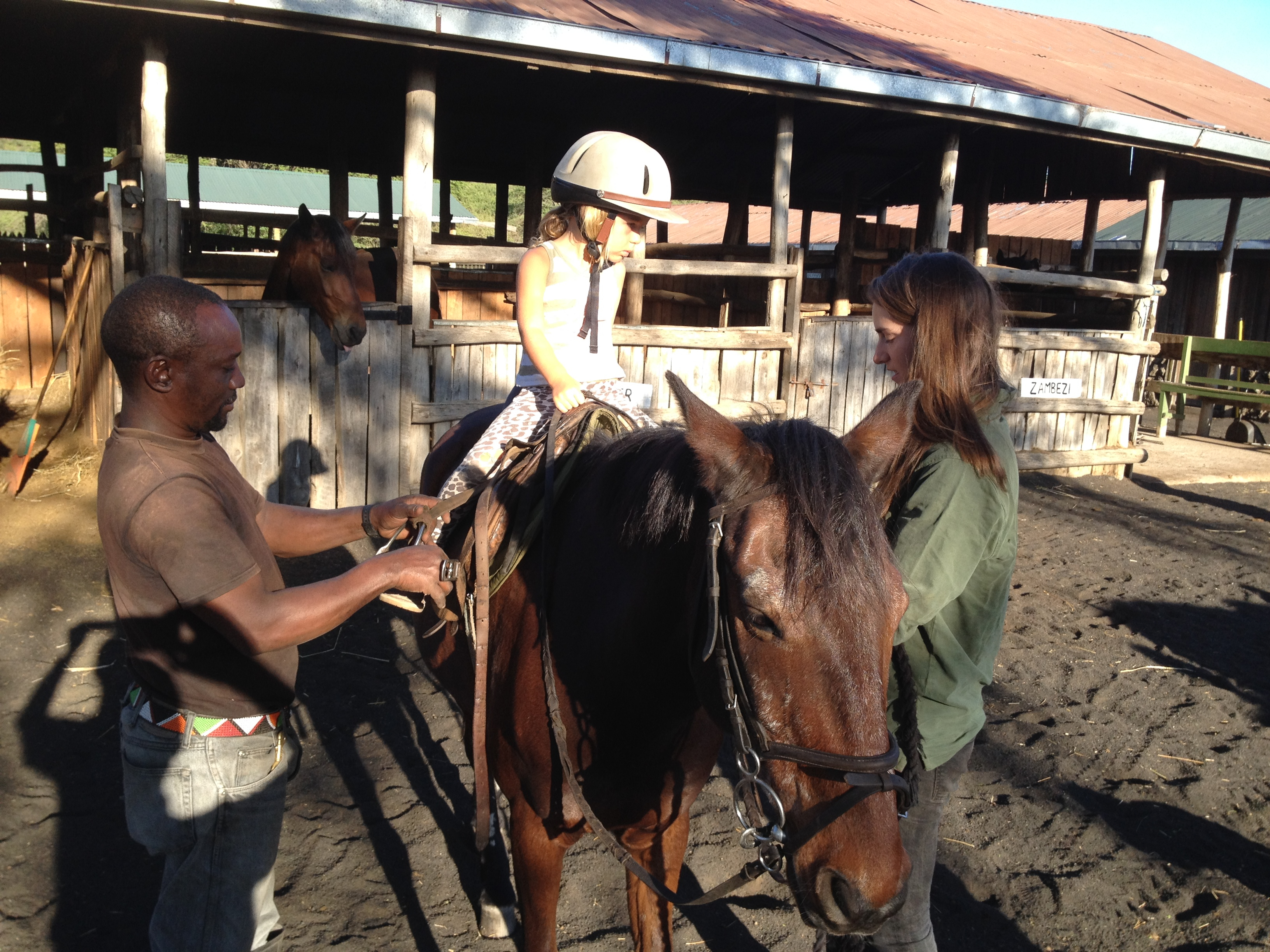
Time for a pony ride in the Chyulus!

Time for a pony ride in the Chyulus!

A picnic dinner in the Chyulu Hills.

A picnic dinner in the Chyulu Hills.


And another sunset in one of our favorite places in the world.

And another sunset in one of our favorite places in the world.

“Hope for Big Life in East Africa” and “Can Mock Hunts Save Lions’ Lives?” – Two new stories by Stephanie M. Dloniak

Filed under: Amboseli,blog,Conservation,Kenya,lions,Maasai,research,Wildlife — Tags: , , , , , , , , — By Howard Saunders @ 7:31 am
Elephants near Amboseli National Park, Kenya.

Elephants near Amboseli National Park, Kenya.

Two of Stephanie’s stories have recently been published, and both are about conservation issues in the Amboseli area. In February, “Can Mock Hunts Save Lions’ Lives,” about a unique method being used by the Lion Guardians program, appeared in Ensia magazine. You can read it here.

Earlier this month, Steph’s story about Nick Brandt’s art and the creation of the Big Life Foundation was published in a new Scandinavian magazine called The Collection. It is not yet available online, but you can access the pdf here: Hope for Big Life in East Africa

I am proud to work with both of these organizations through my position at the Kenya Wildlife Trust, and I hope you enjoy reading about some of the conservation solutions in action in one of our favorite safari destinations.


Vamizi Island, Mozambique: A photo safari

Filed under: Beach,blog,Mozambique,Wildlife — Tags: , , , , , — By Howard Saunders @ 7:18 am

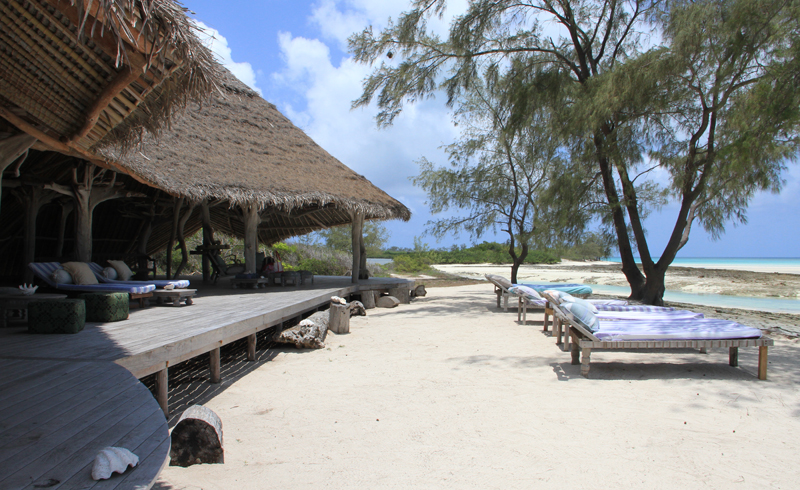
After a spectacular safari season, my family and I spent a week on northern Mozambique’s Vamizi Island, a small, 12-km long isle of the finest sugar sand and coastal bushland in the Indian Ocean. Remote and somewhat difficult to get to, it is a perfect destination for families as well as couples. There are just four exquisite private villas and one small ‘lodge’ consisting of several well-spaced, independent rooms within a 5-10 minute walk along the beach from the main dining area and bar.

With some of the best diving and snorkeling in the Indian Ocean, sea turtle nests, humpback whales, giant coconut crabs, and too many assorted hermit crabs for two children to ever count, Vamizi demands to be visited more than once….

Here is a little photo safari from our trip:

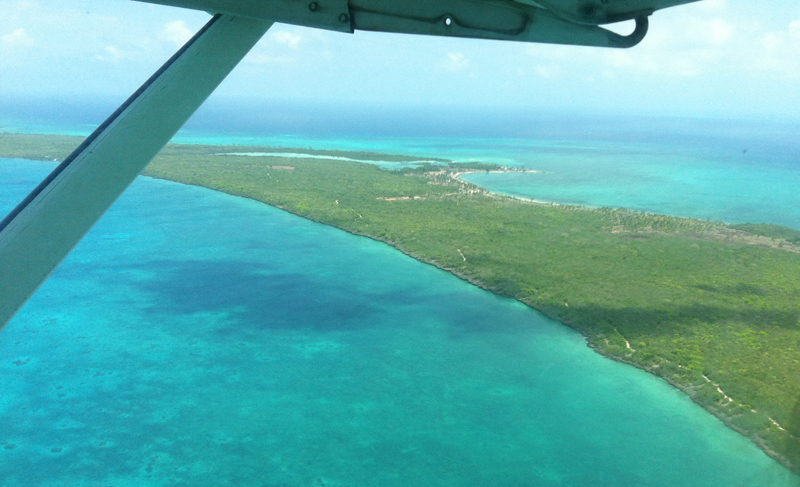
Our first glimpse of the island.

Our first glimpse of the island.

Dining by the sea

Dining by the sea


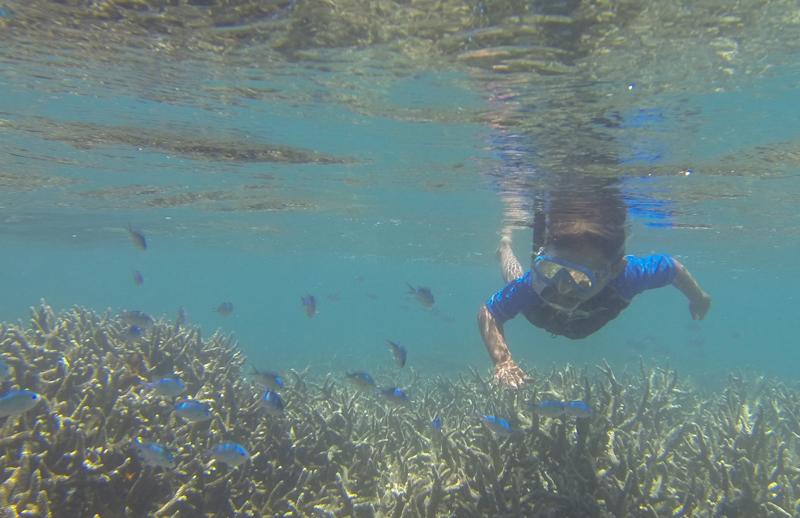
Ollie snorkeling with the fish above the staghorn coral.

Ollie snorkeling with the fish above the staghorn coral.


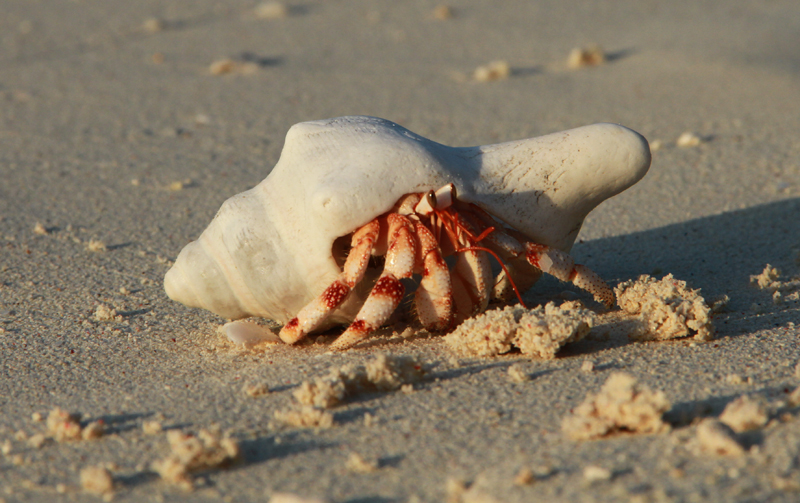
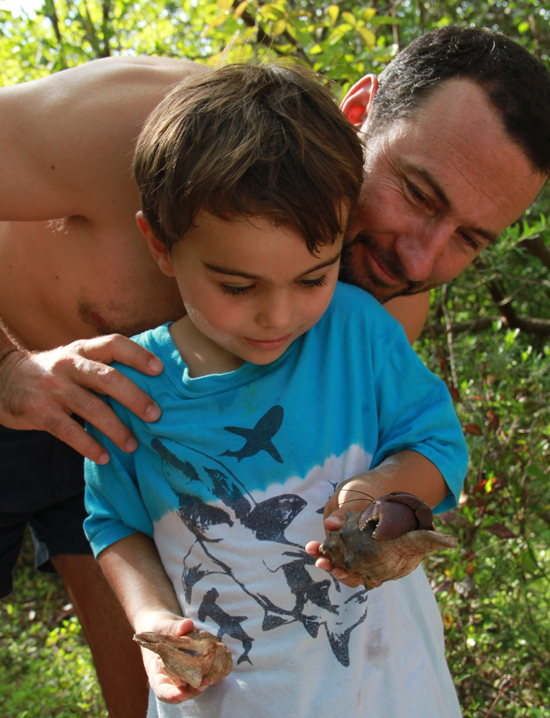
The first of many, many hermit crabs.

The first of many, many hermit crabs.


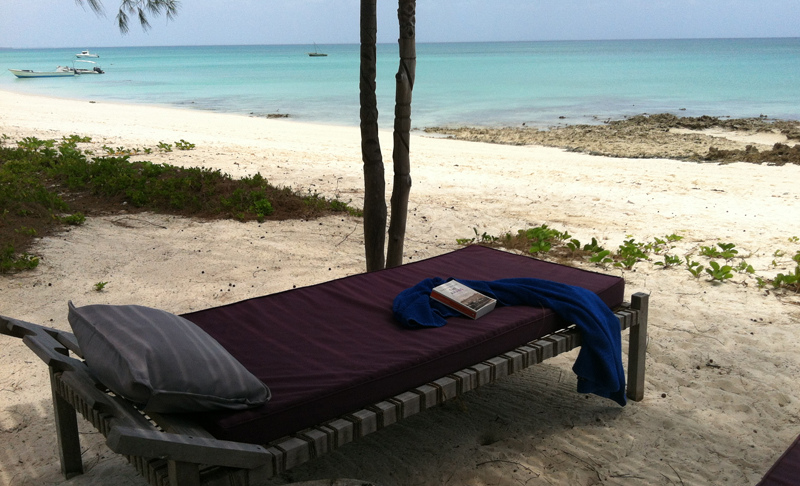
Our own private beach.

Our own private beach.


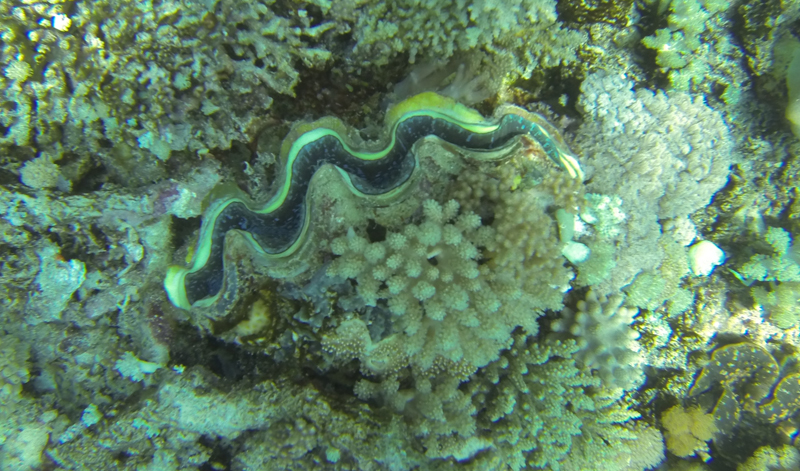
Coral and clam.

Coral and clam.


Discovering a starfish.

Discovering a starfish.


The bedroom of our "kitala".

The bedroom of our “kitala”.


The lovely, open bathroom in our "kitala", complete with Africology bath products made with African essential oils.

The lovely, open bathroom in our “kitala”, complete with Africology bath products made with African essential oils.


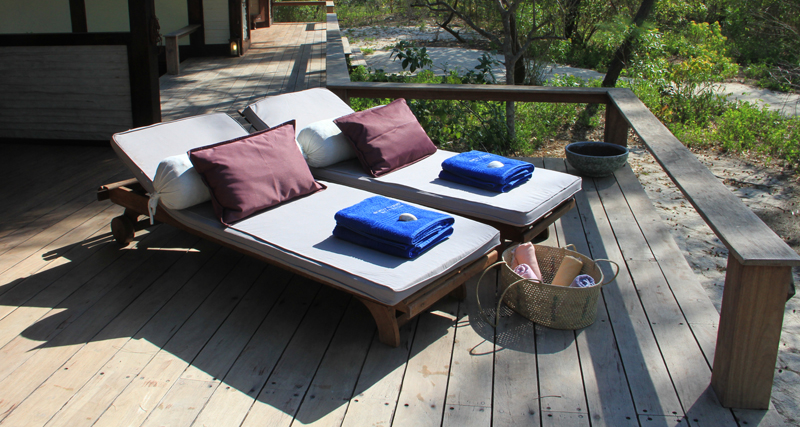
The verandah of our kitala.

The verandah of our kitala.


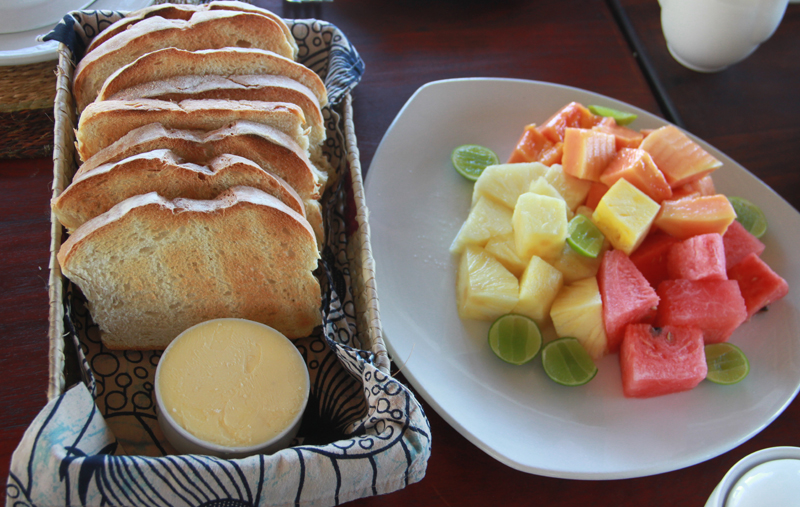
Fresh fruit and homemade bread for breakfast.

Fresh fruit and homemade bread for breakfast.


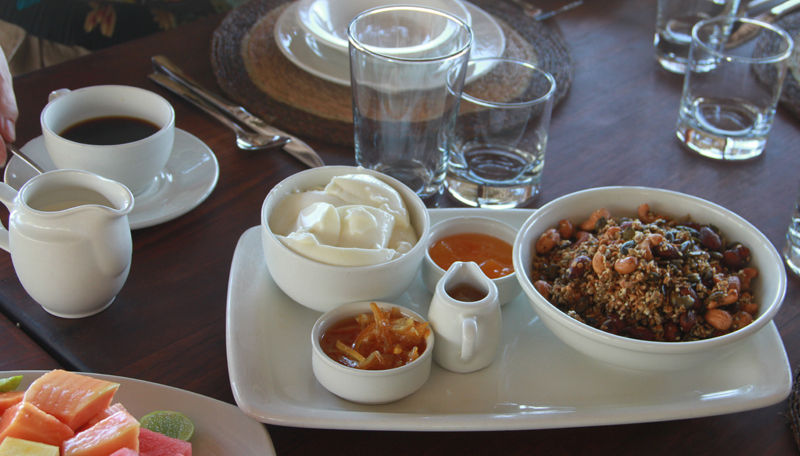
The chef's homemade muesli and jams.

The chef’s homemade muesli and jams.


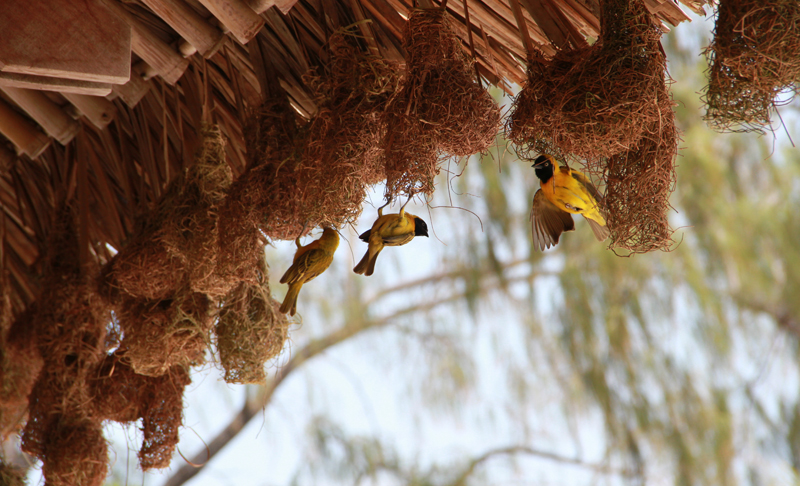
Weaver birds were building their nests and courting at the bar.

Weaver birds were building their nests and courting at the bar.


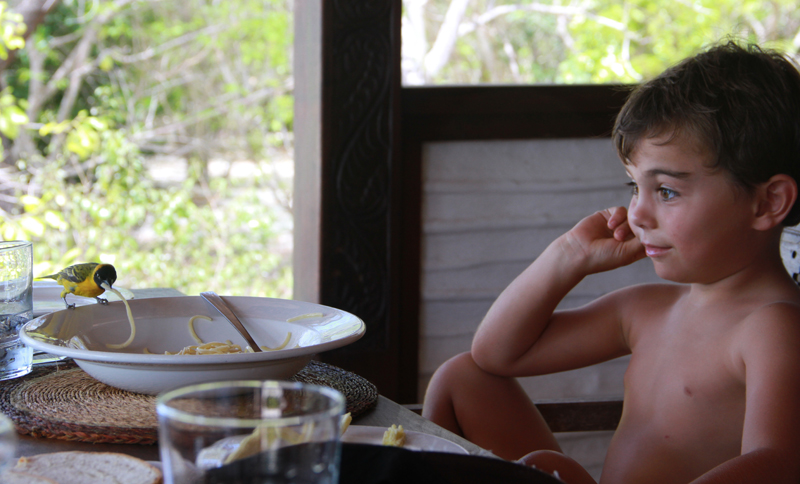
The Vamizi Noodle Thief strikes again!

The Vamizi Noodle Thief strikes again!


Hermit crabs big....

Hermit crabs big….


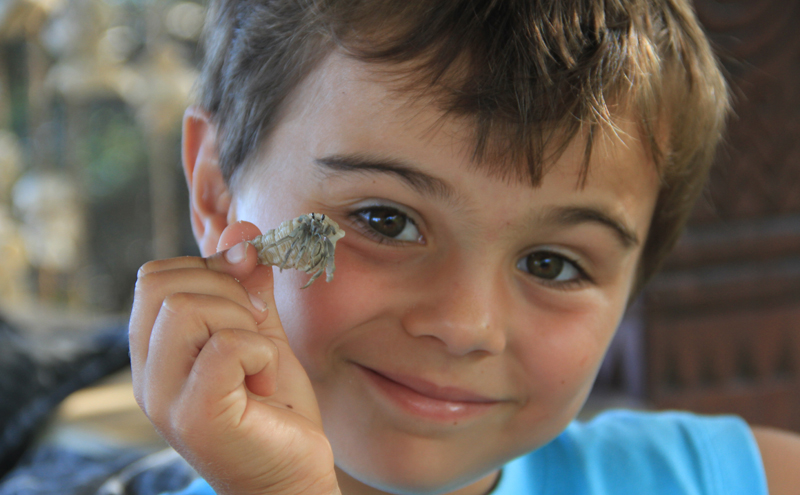
...and hermit crabs small!

…and hermit crabs small!


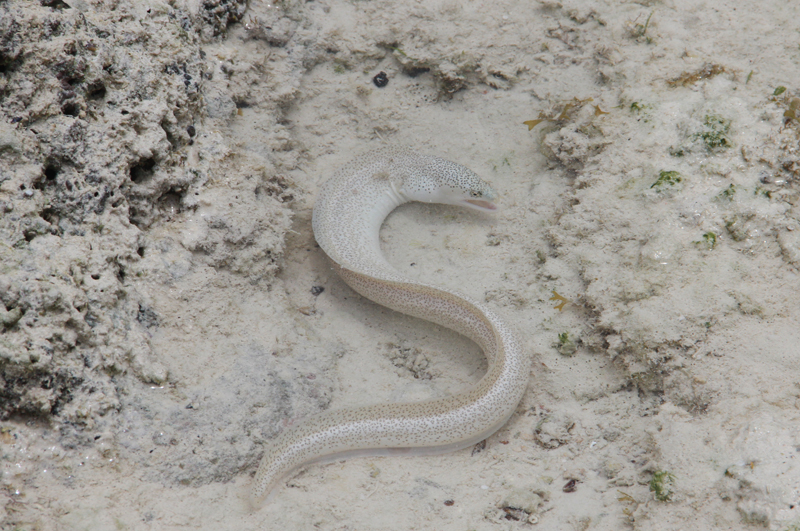
We found speckled moray eels in tidal pools.

We found speckled moray eels in tidal pools.


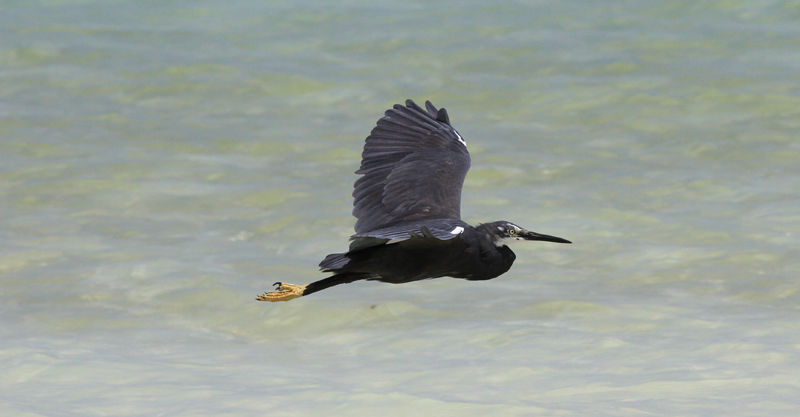
Herons hunted along the shore.

Herons hunted along the shore.


Sunset at the old Portuguese lighthouse on the tip of the island.

Sunset at the old Portuguese lighthouse on the tip of the island.


A visit to the Muntu Nkulu estuary on the other side of the island.

A visit to the Muntu Nkulu estuary on the other side of the island.


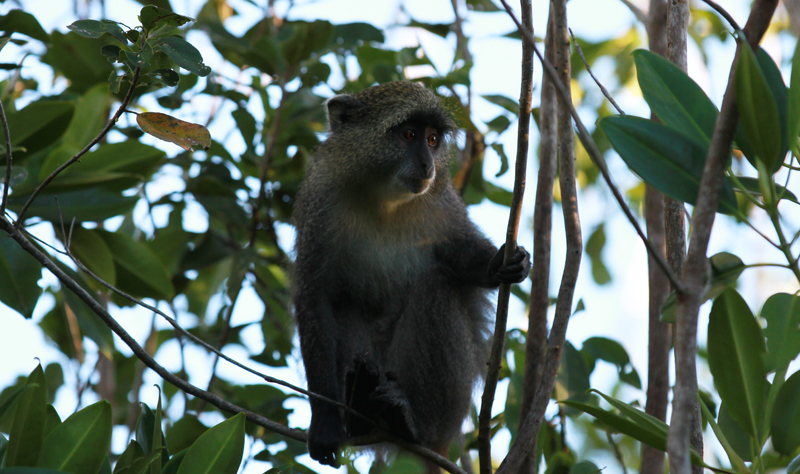
A subspecies of blue monkey called the samango monkey inhabits Vamizi as well as coastal Mozambique.

A subspecies of blue monkey called the samango monkey inhabits Vamizi as well as coastal Mozambique.


A


The Mara lions provide a dramatic end to a wonderful safari season

Filed under: blog,Kenya,lions,Masai Mara,Wildlife — Tags: , , , , , — By Howard Saunders @ 10:43 am

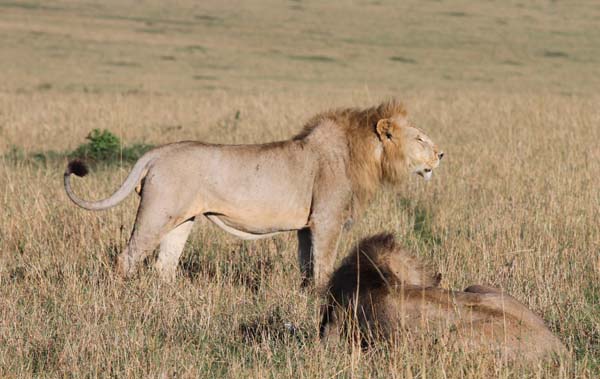
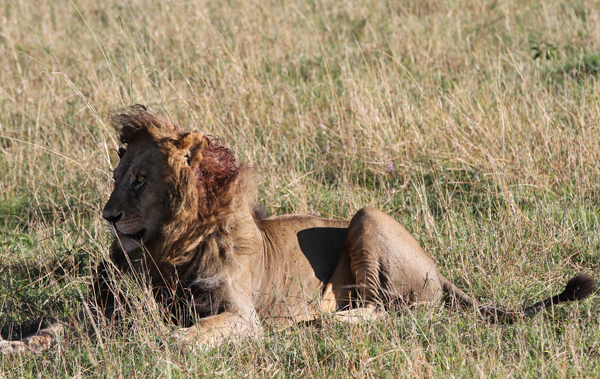
On our last full day in the Masai Mara this season, we stumbled upon the aftermath of what must have been a mighty battle between male lions. Lying battered and forlorn on the open plain was the defeated intruder, who had recently ventured into the territory of the two impressive males who dominate the part of the Mara Triangle that includes our favorite campsite.

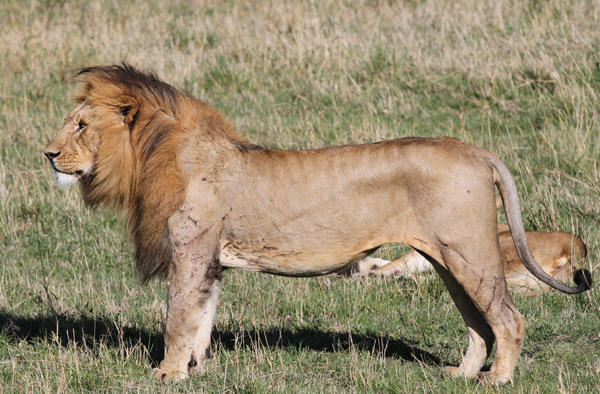
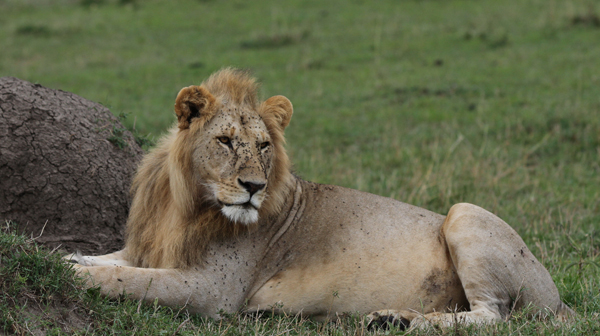
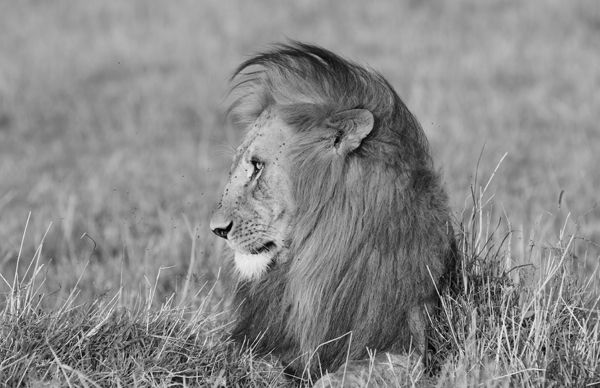
As we pulled up to the scene, one of the resident males, huge with a blond mohawk, softly roared as he sauntered past the loser, who could barely move his front legs or even lift his head under the weigh of his blood-soaked, rumpled mane. He had suffered at least one wicked bite to the top of his head. We weren’t convinced he would even be able to make it to the shade and water just 150 meters away.

blondie roars over web

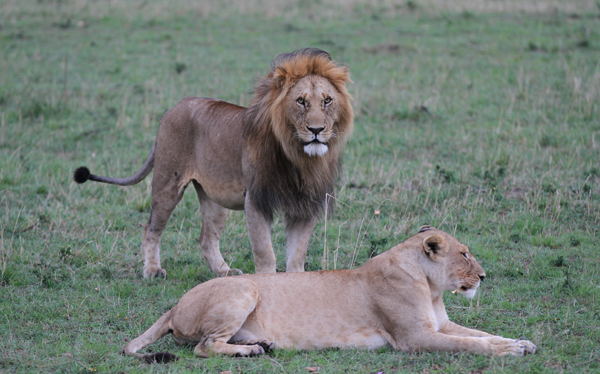
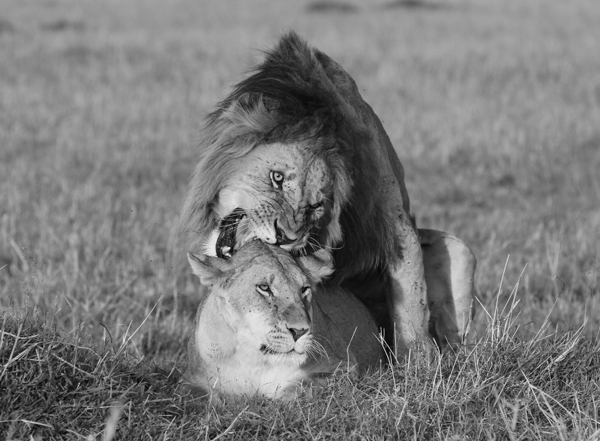
Meanwhile, over the slight rise to the northwest, the dark-maned victor – the other resident male – was now enjoying a honeymoon with one of his pride females, and he looked none the worse for wear with but a few scratches on his flanks, chest, and shoulders. He appeared truly regal in the Mara light. We may have missed the actual battle, but it was clear what had happened – we were witnessing for ourselves some of the drama recently brought to life on the pages of National Geographic by David Quammen and Michael Nichols. (Read “The Short Happy Life of a Sergengeti Lion” here)

king with prize web

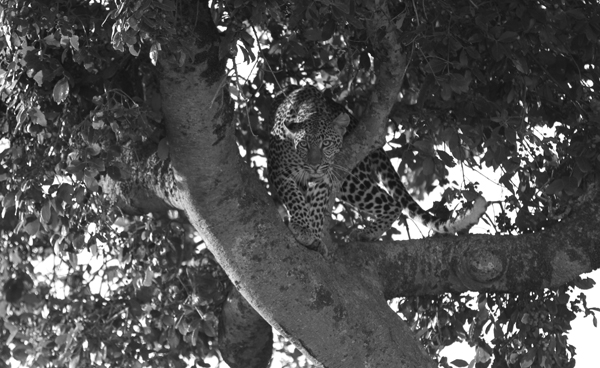
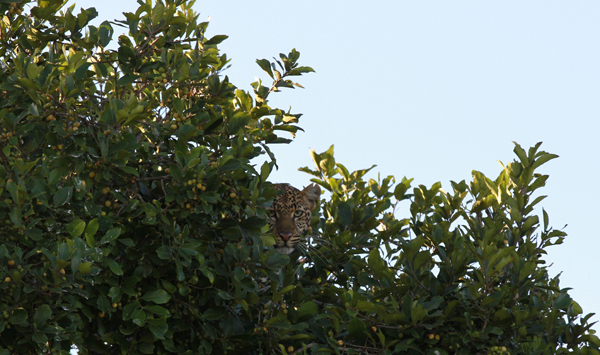
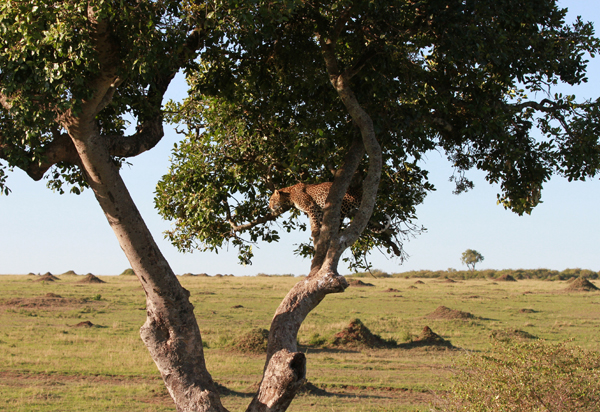
The next morning, while reveling in our last Mara sunrise for perhaps a couple of months, we set out to find the wounded male, to see if he made it through the night. We searched the bushes lining the small stream closest to where the fight had occurred, our eyes focused downward. Solomon casually told me to stop the car. We assumed he had seen the lion, but he had actually spotted a leopard in a tree right next to us. Luckily Solomon was also looking up!


leopard1 web

We watched the little female for at least 15 minutes in the dawn light and were actually puzzled by her reluctance to hop down the tree trunk to go out of sight. She instead moved like a chameleon and attempted to go higher into the dense foliage of the tree. Solomon enlightened us again: he spotted the injured lion in a thicket just below the leopard tree. Eventually the leopard decided the lion was not a threat, slinked down the tree, and silently disappeared upstream. We left the lion in peace hoping he would live to fight another day, but we were informed by the rangers of the Mara conservancy that he succumbed to his injuries later that day.

Watching this drama unfold reminded us of what a special place the Masai Mara continues to be. Being tucked away in our own camp in a private corner of the reserve, we were fortunate to experience – on our own – the quintessential purity of  ‘nature red in tooth and claw’, and that feeling of true wilderness that is getting harder and harder to find.

The king came away with just a few scratches

The king came away with just a few scratches

The defeated intruder under the weight of his injuries

The defeated intruder under the weight of his injuries

The king mating with a pride female

The king mating with a pride female

The leopard went up high in the tree

The leopard went up high in the tree

She finally came down

She finally came down

The king's right-hand man

The king’s right-hand man

The king of the Mara

The king of the Mara

A day in the Serengeti

Filed under: blog,research,Serengeti National Park,Tanzania,Wildlife — Tags: , , , , — By Howard Saunders @ 9:42 am

Between January and March each year, the Serengeti produces some of the most dramatic wildlife scenes imaginable. This is when the vast herds of wildebeest camp out on the short-grass plains, and the females collectively give birth to hundreds of thousands of calves over a two-week period.

OLYMPUS DIGITAL CAMERA

The wildebeest calving season in the Serengeti National Park, Tanzania.

The synchronized birth of so many little gnus is a sight in and of itself, but it is just the beginning of an action-packed season full of baby antelopes: and fields flooded with prey allow the local carnivores to showcase their hunting skills out in the open.

Early one morning during a safari in the Serengeti this March, we found a female cheetah and her two large cubs out amongst the countless wildebeest near our camp in the Ndutu area. Over the next two hours we were privileged to witness a hunting lesson unfold as the mother cheetah flushed a young Thomson’s gazelle from its hiding spot and proceeded to allow her cubs to practice their hunting techniques, using the fawn as their toy. After letting the cubs repeatedly trip up and catch the fawn for what seemed like an endless hour, the mother finally instructed the cubs on the final blow and they devoured the kill. While we of course felt some sadness for the fawn, it was incredible to see young cheetahs learning behaviors that are critical for their survival.

Cheetah cubs learning to hunt baby gazelle

A mother cheetah lets go of a Thomson’s gazelle fawn in order to give her cubs an opportunity to practice their hunting techniques.


Learning to catch a gazelle on the fly!

Learning to catch a gazelle on the fly!


We finished the day with a spectacular Serengeti sundowner, which was made even more enjoyable by an impromptu visit from Ingela Janssen, one of the local lion researchers. Ingela told us about the new work she is doing with the Serengeti Lion Project, trying to understand the threats to lion movement throughout the greater ecosystem, especially between the Serengeti National Park and Ngorongoro Crater. You can learn more about lion research in Tanzania here.

The Mara-Serengeti ecosystem continues to deliver, in my opinion, the greatest wildlife viewing anywhere on earth. There are exciting scenes all year round, and biologists out in the field rain or shine. We maximize our chances of being in the right place at the right time for these experiences with our choices of location for camps, game drives, and walks. And we always enjoy reliving the stories in the comfort of our camp or lodge at the end of the day.

The view from the pool at Sayari Camp in the Lamai Wedge of the northern Serengeti.

The view from the pool at Sayari Camp in the Lamai Wedge of the northern Serengeti.

My next update from the Mara-Serengeti will be in July or August, when we will be camped in the Kenyan part of the ecosystem for several safaris….along with more than a million gnus, zebras, and gazelles that will congregate there during the dry season.


Conserving large carnivores: dollars and fence

Filed under: blog,Conservation,Kenya,lions,research,Tanzania,Wildlife — Tags: , , , , , — By Howard Saunders @ 9:55 am


Stephanie collects data on lion numbers in the Masai Mara in 2005.

Stephanie collects data on lion numbers in the Masai Mara in 2005.

Stephanie is one of more than 50 authors of a scientific paper on lion conservation that is published today in the journal Ecology Letters. “Conserving large carnivores: dollars and fence,” includes lion count data from more than 40 sites across Africa and analyses to test what management options will work best to conserve lions. Stephanie has also written a guest blog post about the paper for Scientific American, “From whisker spots to paradigm shifts: how to save the lions.” Have a look and let us know what you think. I’ll certainly be discussing the issues raised in the paper this week as I guide my guests on a safari through Tarangire, Ngorongoro Crater, and the Serengeti – hopefully while we are enjoying observing some of the lions that were counted for the paper!

Laragai House, Borana Conservancy

Filed under: blog,Conservation,Kenya,lions,Wildlife — Tags: , , , , , , , , — By Howard Saunders @ 12:33 pm
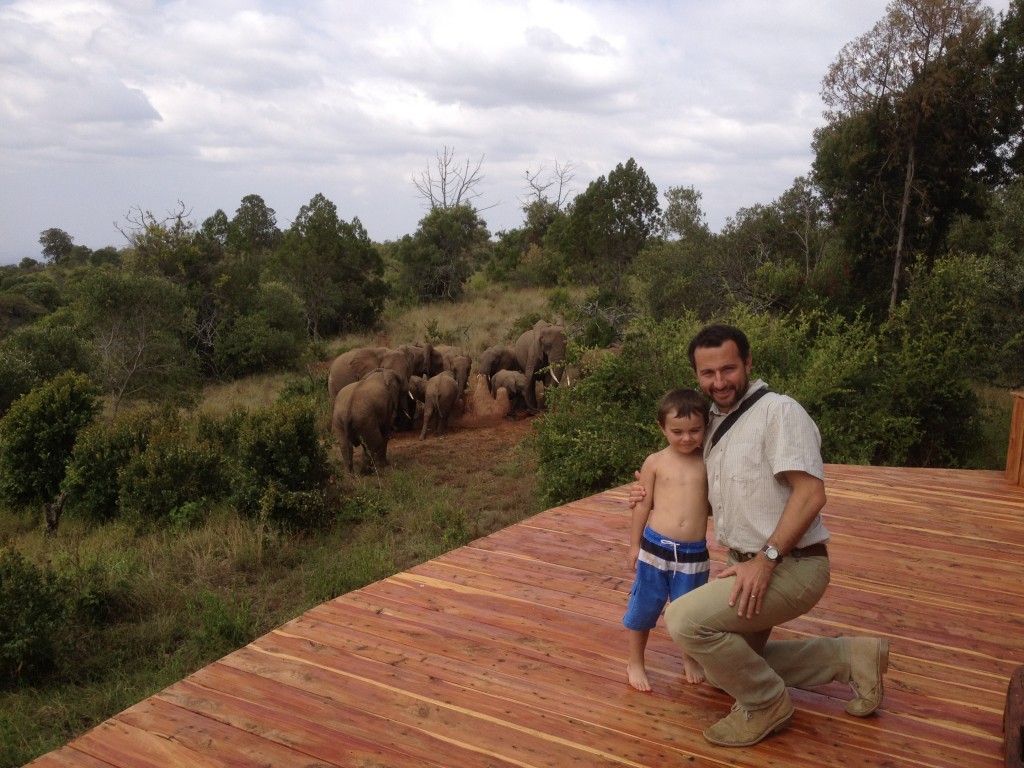
On the Laragai front porch

On the Laragai front porch

During a mobile camping safari, we stay at select permanent camps and lodges while our own camp moves from one wildlife area to the next. We have a very short list of properties that we consider to be the best, and we visit them often: we know the managers, local guides, and wildlife well, and our guests are guaranteed a special experience during their stay.

One of our favorites over the past few years has been Laragai House on the Borana Conservancy. We have loved observing elephants at very close range as they drink from a small water hole next to the front porch, as well as when they swim in the dam below the house – viewable from the breakfast table.

The lodging is exquisite and exclusive: whenever we stay at Laragai we take over the entire house. Visit their website here to see what the interiors are like. While we certainly spend a lot of time relaxing by the two gigantic fireplaces in the central room, we also always enjoy horseback riding, swimming, game drives, and picnics during our stay. Tennis, a visit to the owners’ farm, and a helicopter flight to fish on a Mt. Kenya lake are also often on the itinerary.

We have had excellent viewings of wild dogs and leopards, and spend a considerable amount of time with the elephants. We also track lions here: Borana is home to a huge pride monitored by the Living with Lions team. We were also excited to recently hear that the fence between Lewa Downs and Borana may soon be taken down, in order to allow movement of rhinos throughout both conservancies. With more than 600 rhinos illegally killed for their horns in 2012, rhinos need all the help they can get, and we are happy to support Borana with their efforts by staying at Laragai often.

Riding Borana

Riding Borana


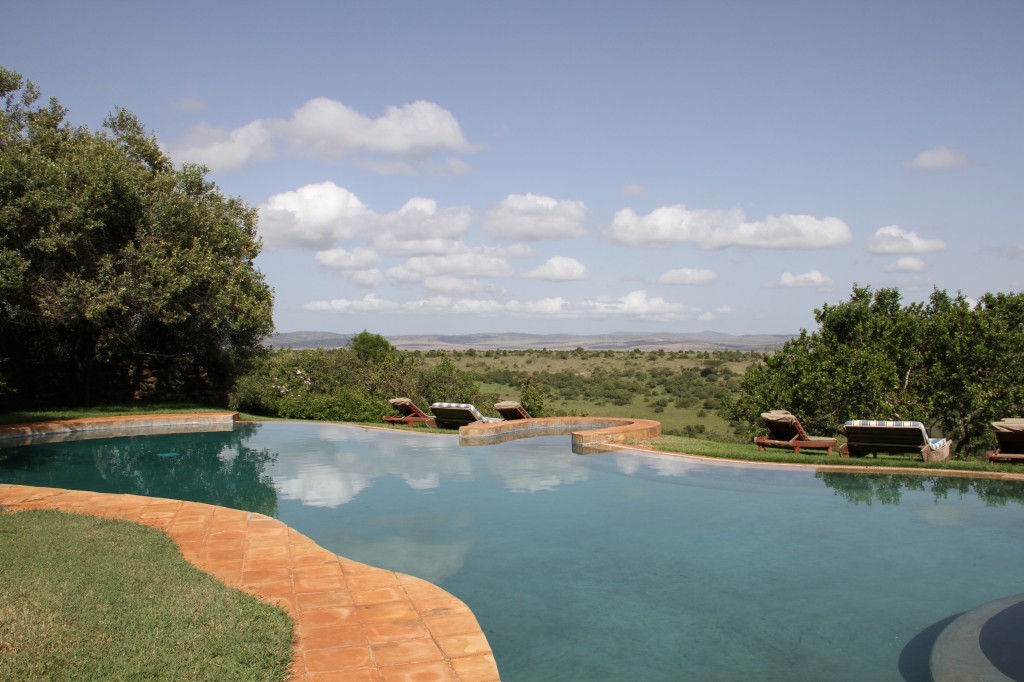
The pool at Laragai

The pool at Laragai


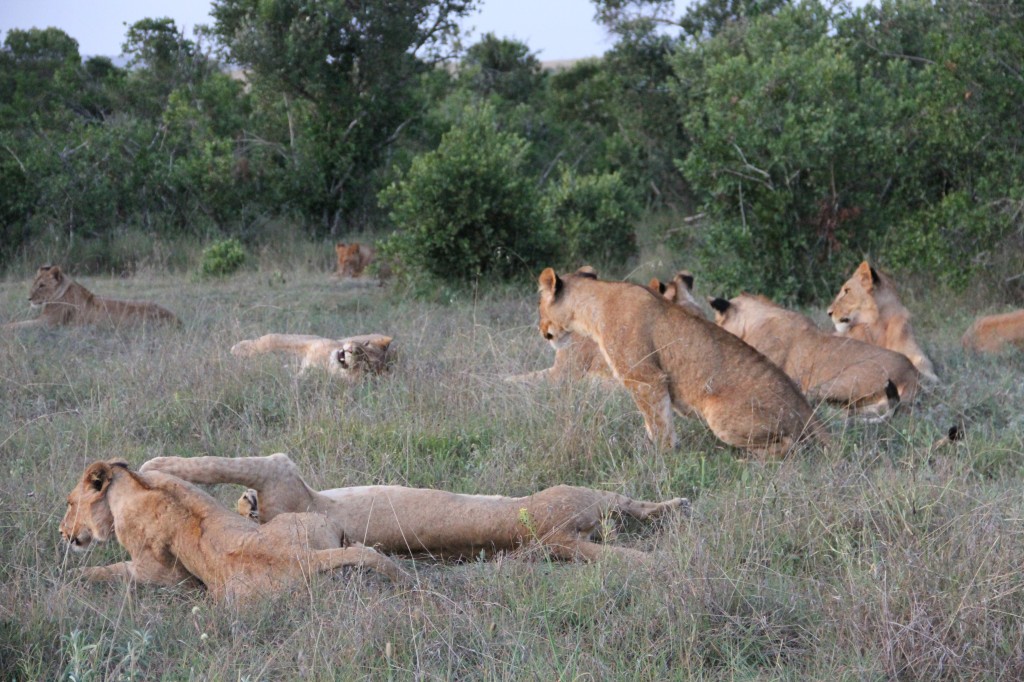
The Borana pride of lions

The Borana pride of lions

Picnic dinner near the big dam

Picnic dinner near the big dam


Support the lions of Samburu, Buffalo Springs, and Shaba with the Kenya WildlifeTrust and Ewaso Lions!

Filed under: blog,Conservation,Kenya,lions,Samburu,Wildlife — Tags: , , , , , , , , , , , , — By Howard Saunders @ 9:09 am

KWT lion bannerDuring December we spent time on safari in both Shaba and Buffalo Springs National Reserves. Located in northern Kenya along the Ewaso Ngiro River, green and full of wild flowers from recent rains and flooding, the parks can only be described as exquisite gems right now. The river is the lifeblood of this part of Samburuland, and the namesake of the area’s lion research and conservation project: the innovative, non-profit Ewaso Lions, piloted by Shivani Bhalla and Paul Thomson. We were fortunate to have Shivani and Paul over for lunch in camp one day – and to have their help finding the pride of nine lions currently inhabiting Buffalo Springs! The lions are doing well inside the protected areas, but threats to the population continue to be present on the edges and out in the community lands.

We help support Ewaso Lions and their efforts to address the threats to the lion population’s success through the Kenya Wildlife Trust. Visit the KWT website here to learn more about how you can join us in supporting the project. You can also visit the Ewaso Lions website directly here or get their latest field report here.

Here are some photos from Shaba:

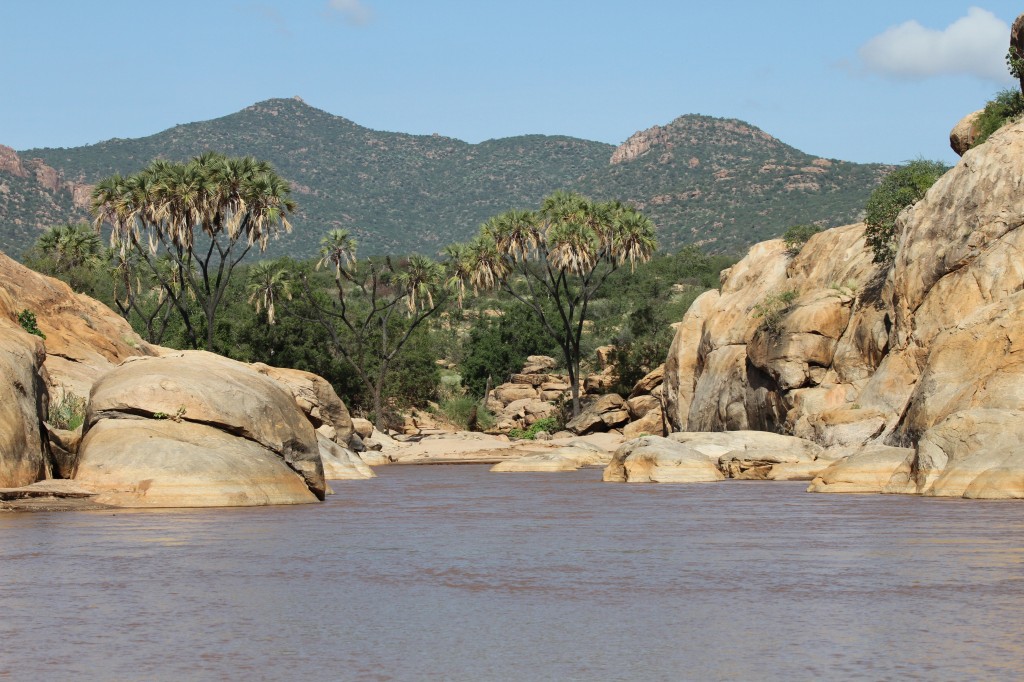
The Ewaso Ngiro River in Shaba National Reserve, Kenya

The Ewaso Ngiro River in Shaba National Reserve, Kenya


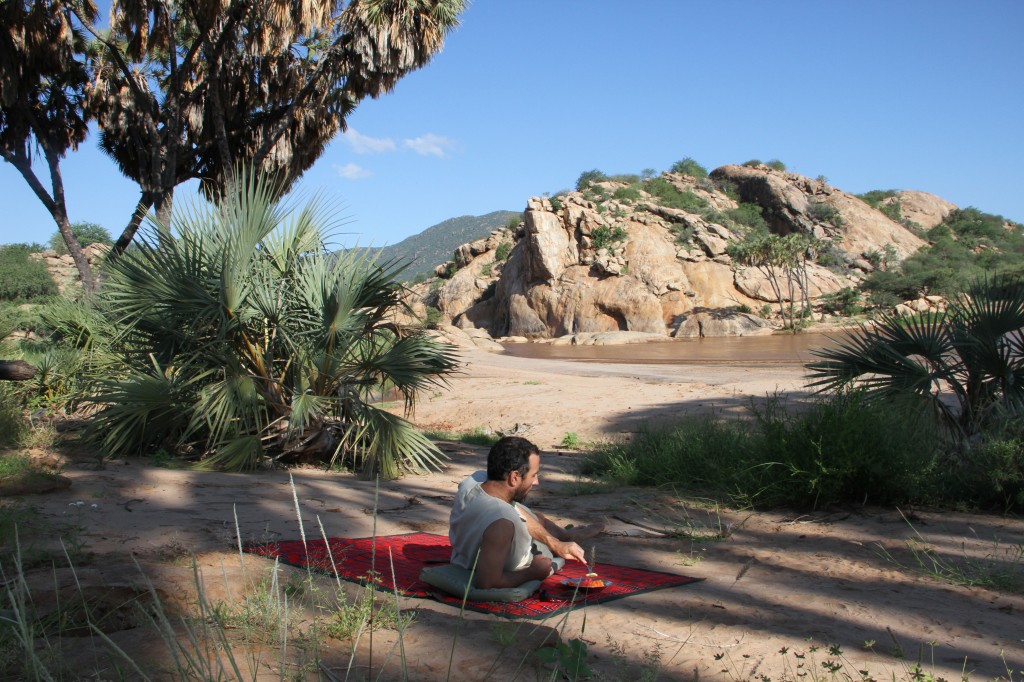
Picnic breakfast by the river

Picnic breakfast by the river

2012 family portrait on Shaba termite mound


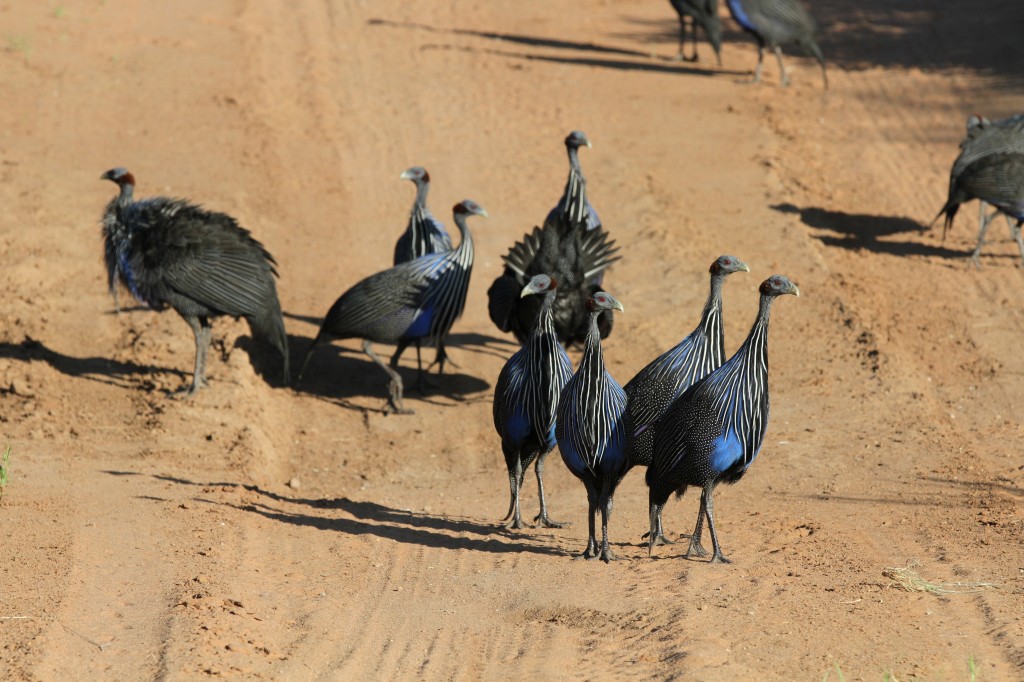
Vulturine guineafowl

Vulturine guineafowl

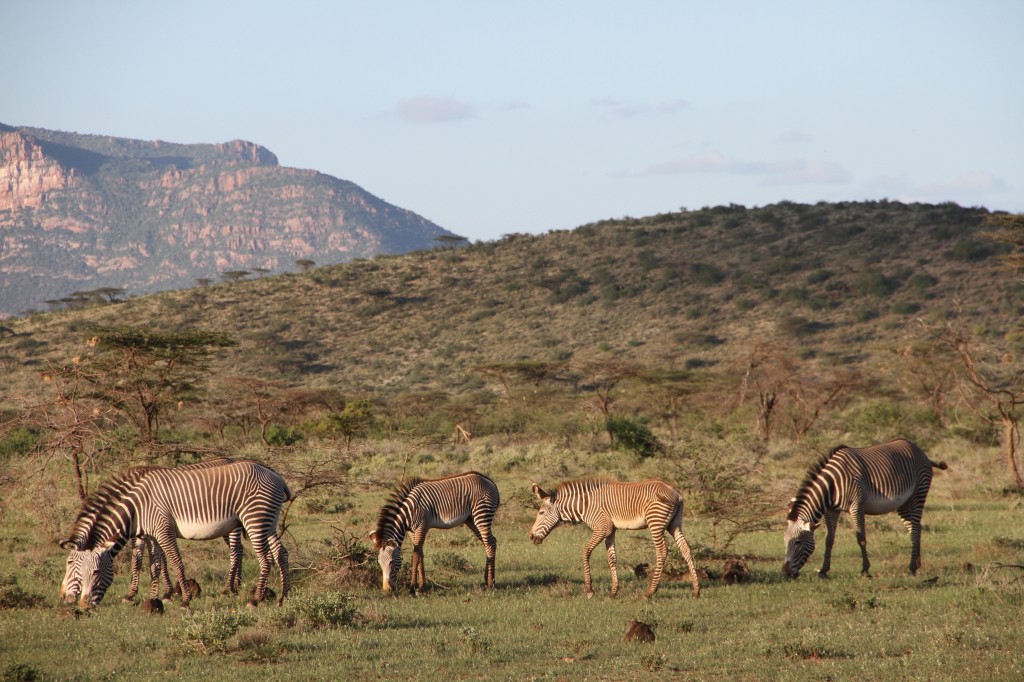
The endangered Grevy's zebra - only found in Kenya and Ethiopia.

The endangered Grevy’s zebra – found only in Kenya and Ethiopia