HS

Kenya’s
Ultra-Marathon

Filed under: blog — By Liberty Nichols @ 7:32 am


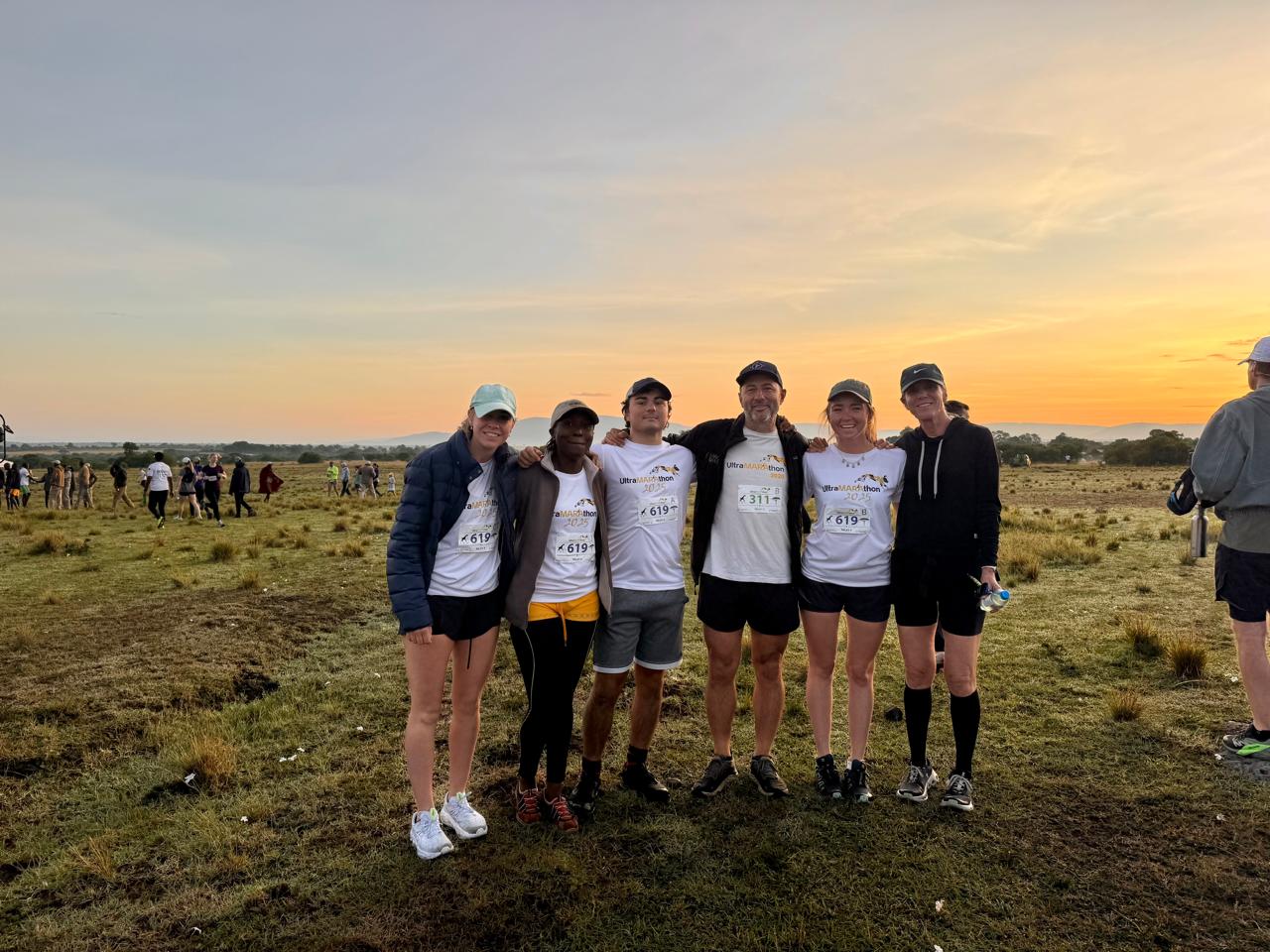
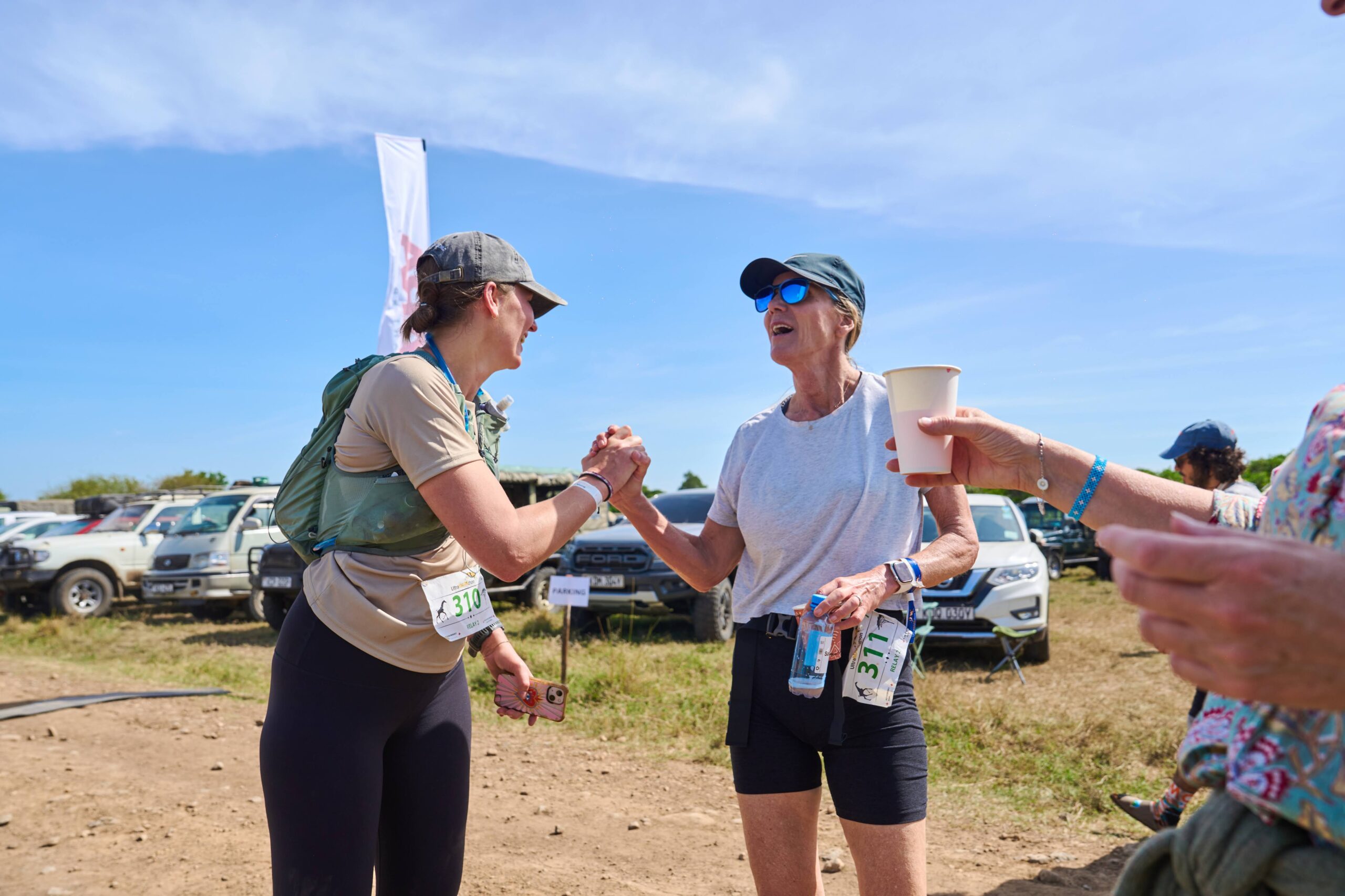
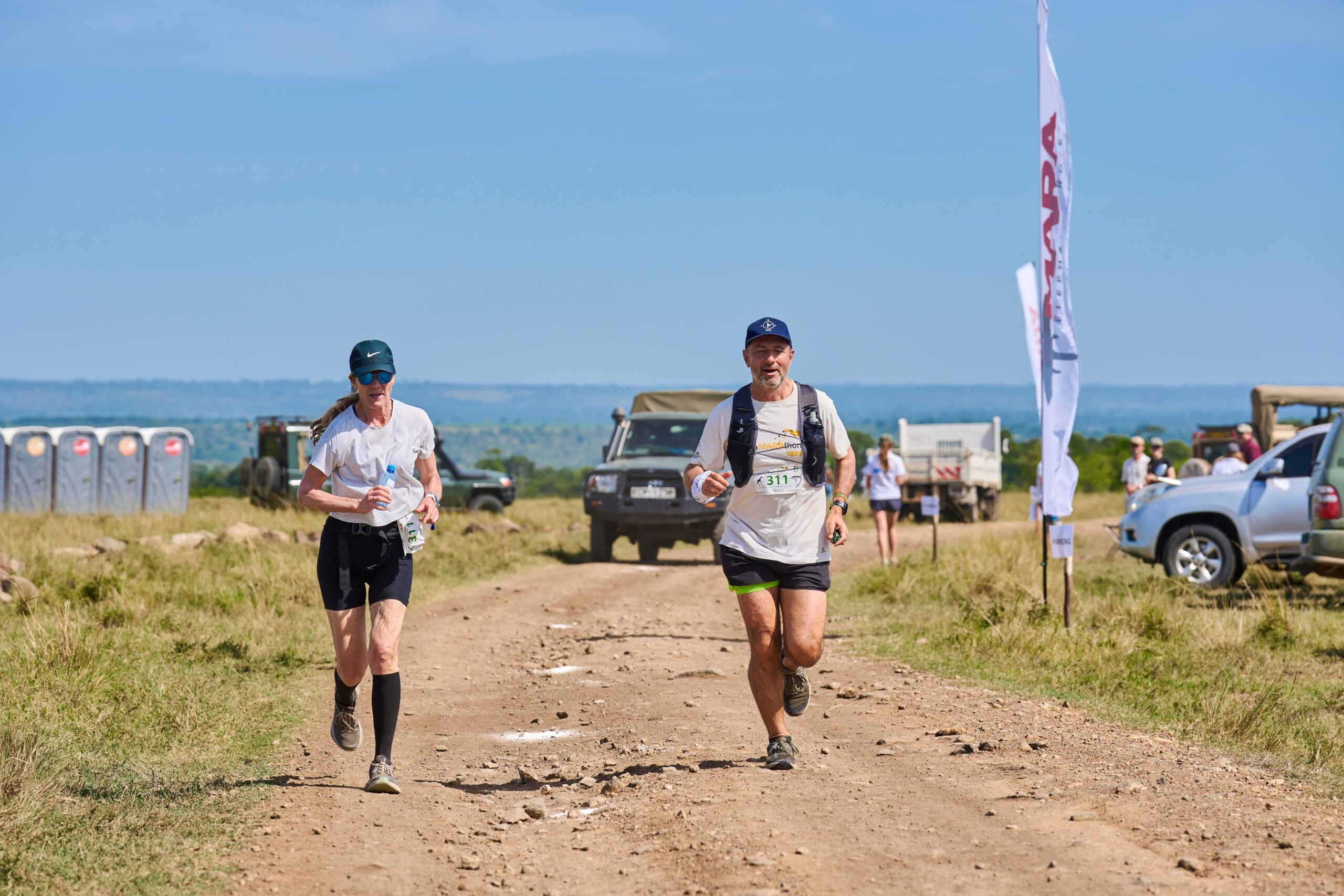
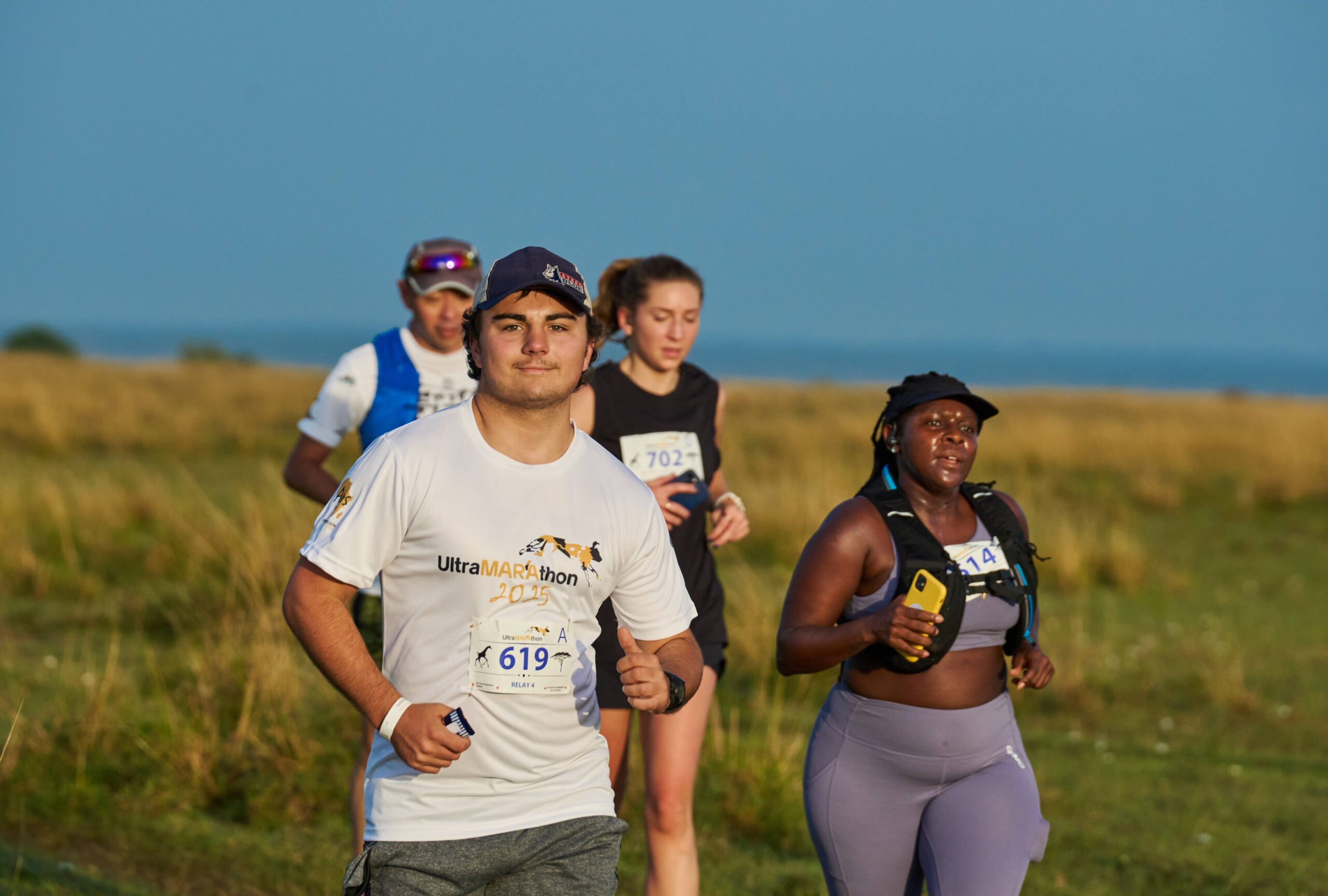
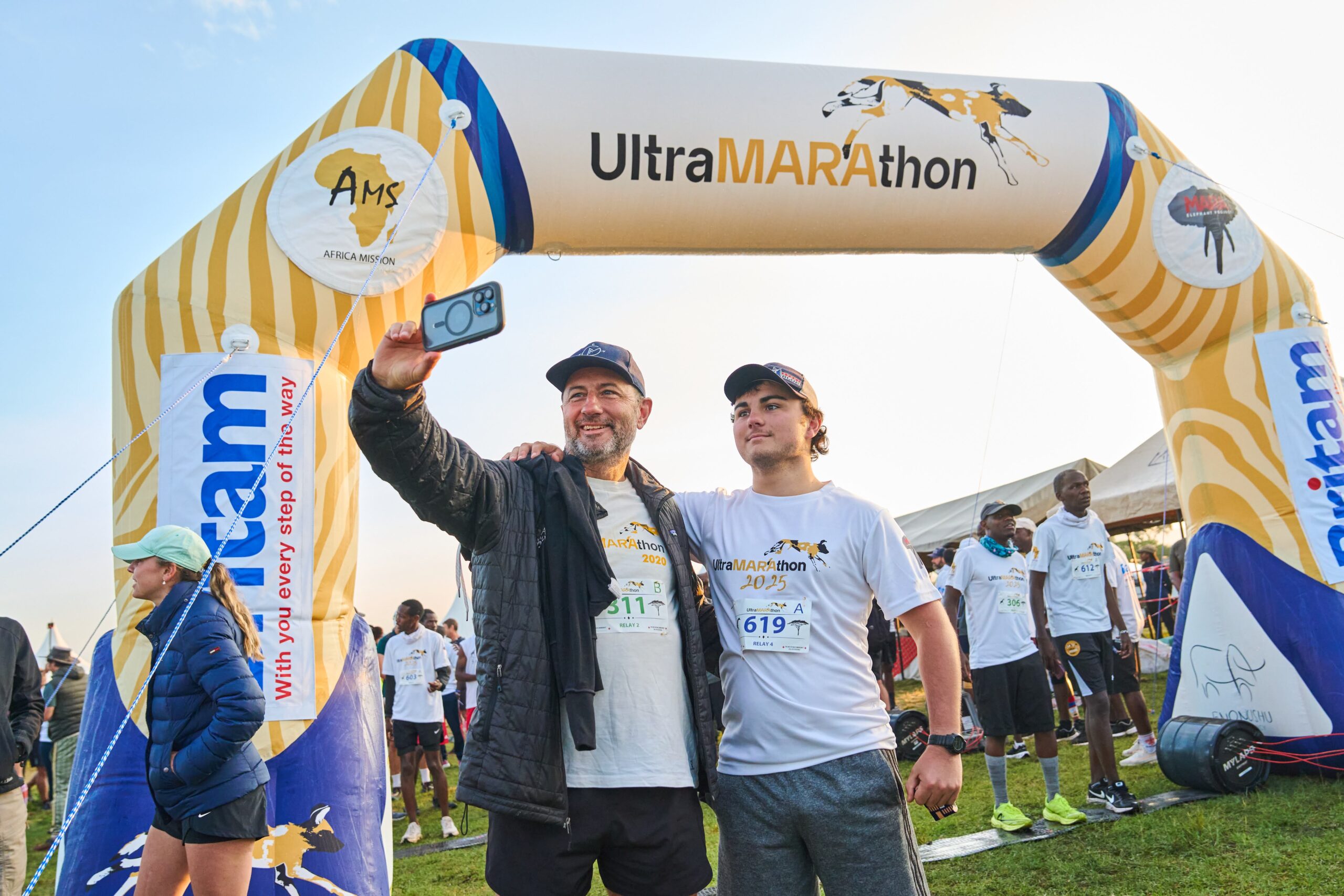
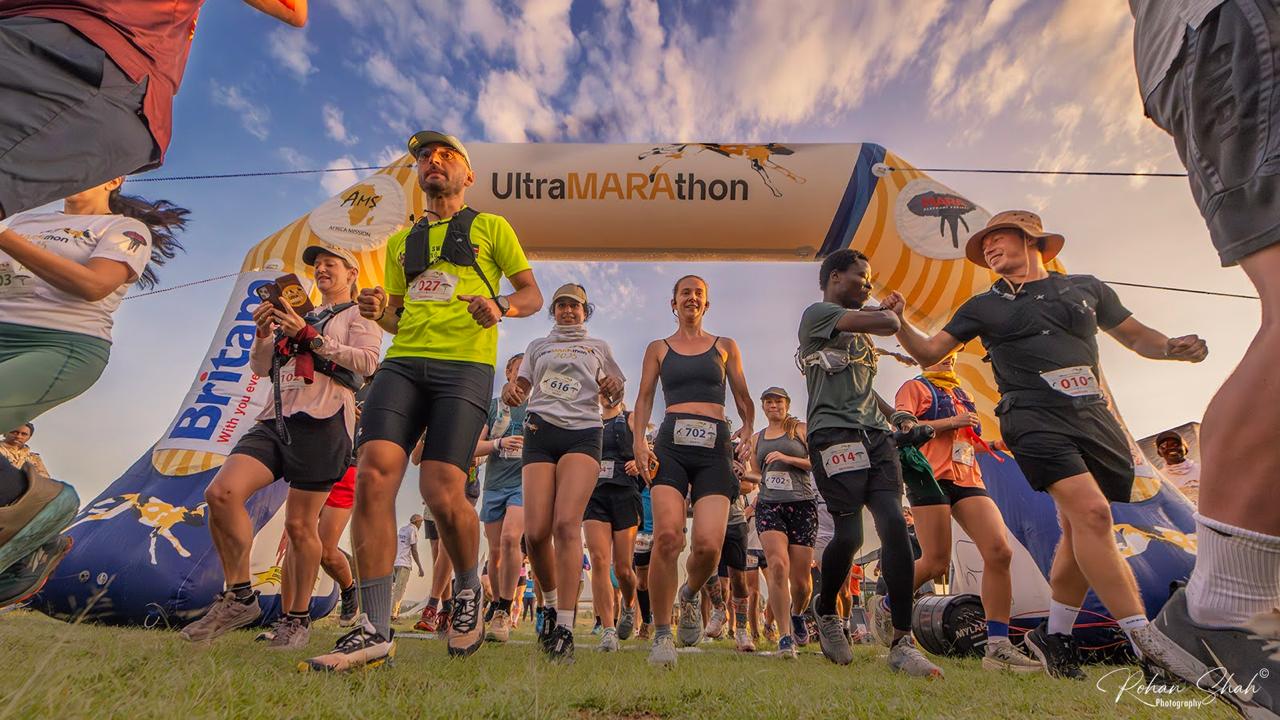
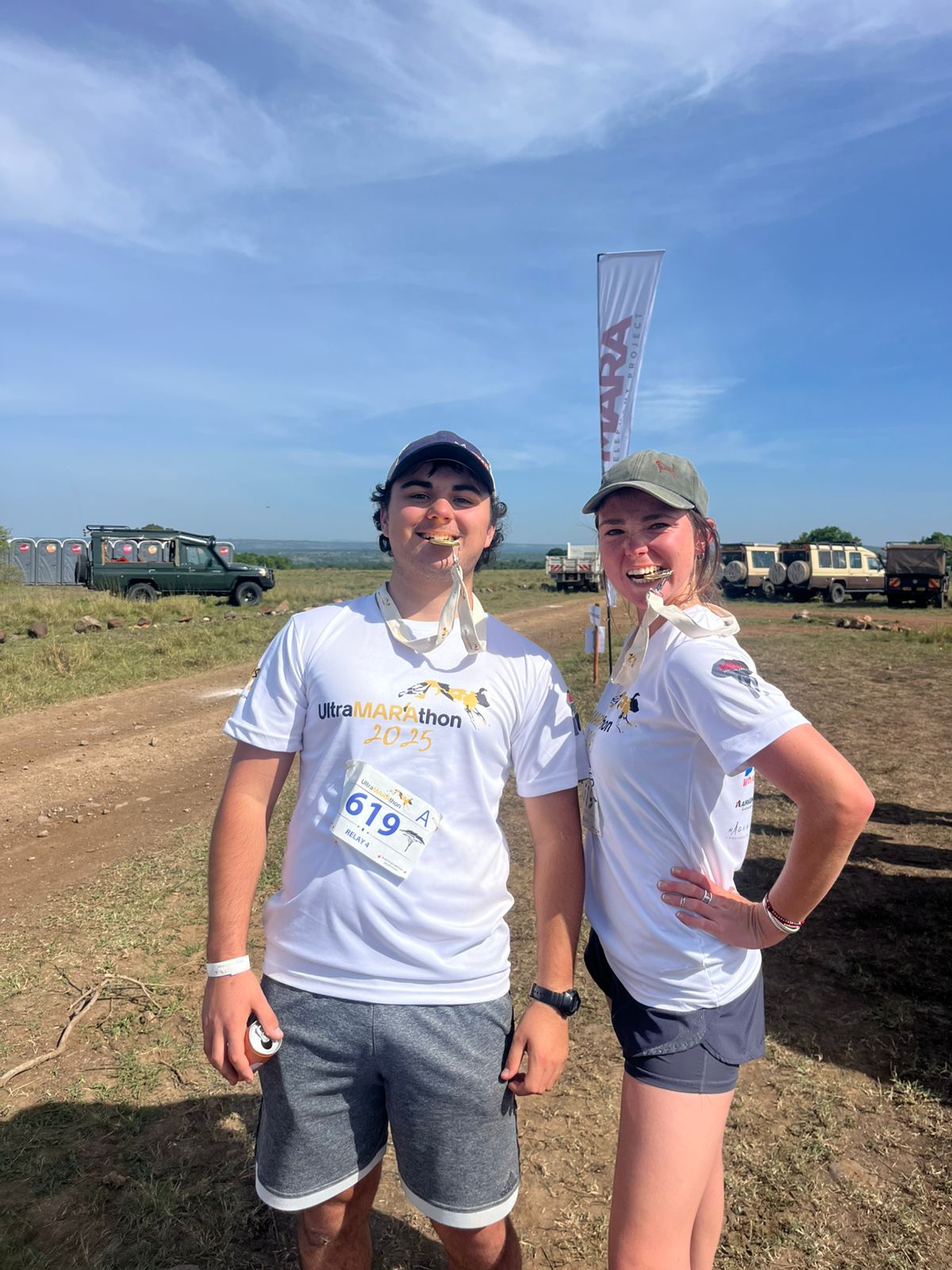
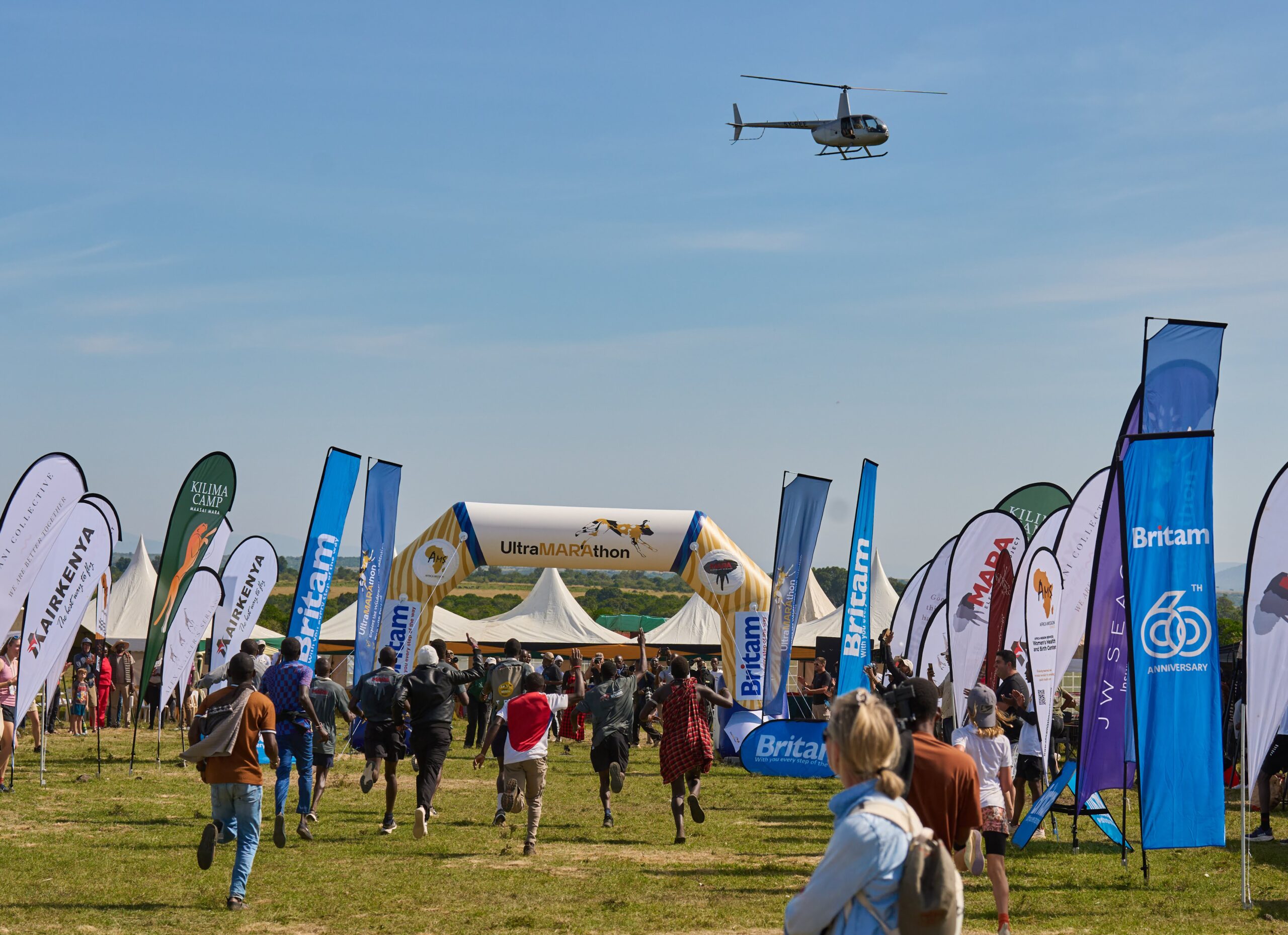
What an incredible experience taking part in the 2025 UltraMarathon across the Masai Mara. It’s hard to believe it’s been five years since Howard created this run to raise much needed funds for wildlife rangers during the Covid downturn.

Thanks to everyone’s generosity, we surpassed our original fundraising goal and helped bring in some meaningful donations to the Mara community we support.

The team stayed in Howard’s home, Marapenda the night before the race with spirits running high. At 5am we set off through the Masai Mara to the start, joining hundreds of runners all coming together in support of Mara Elephant Project.

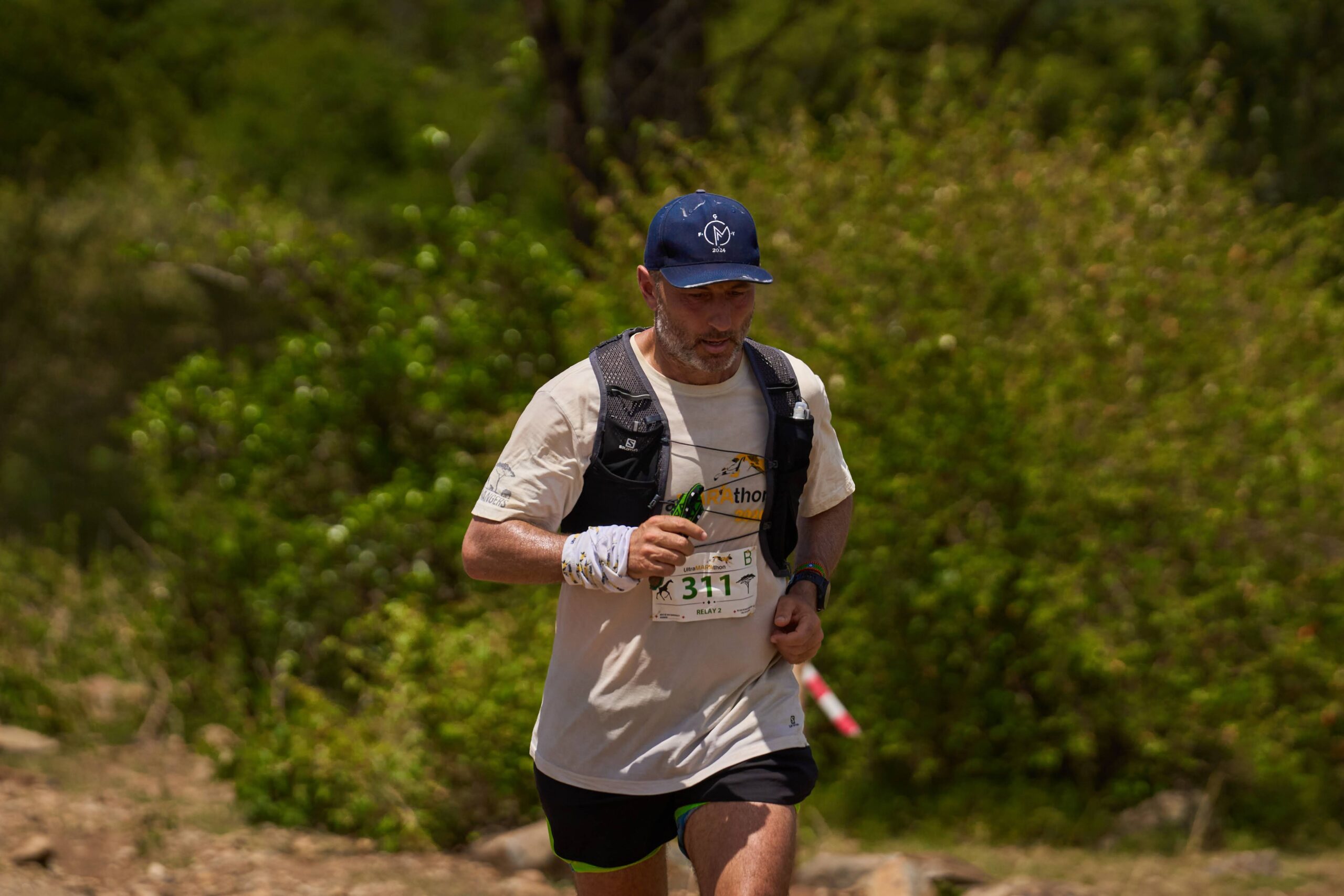
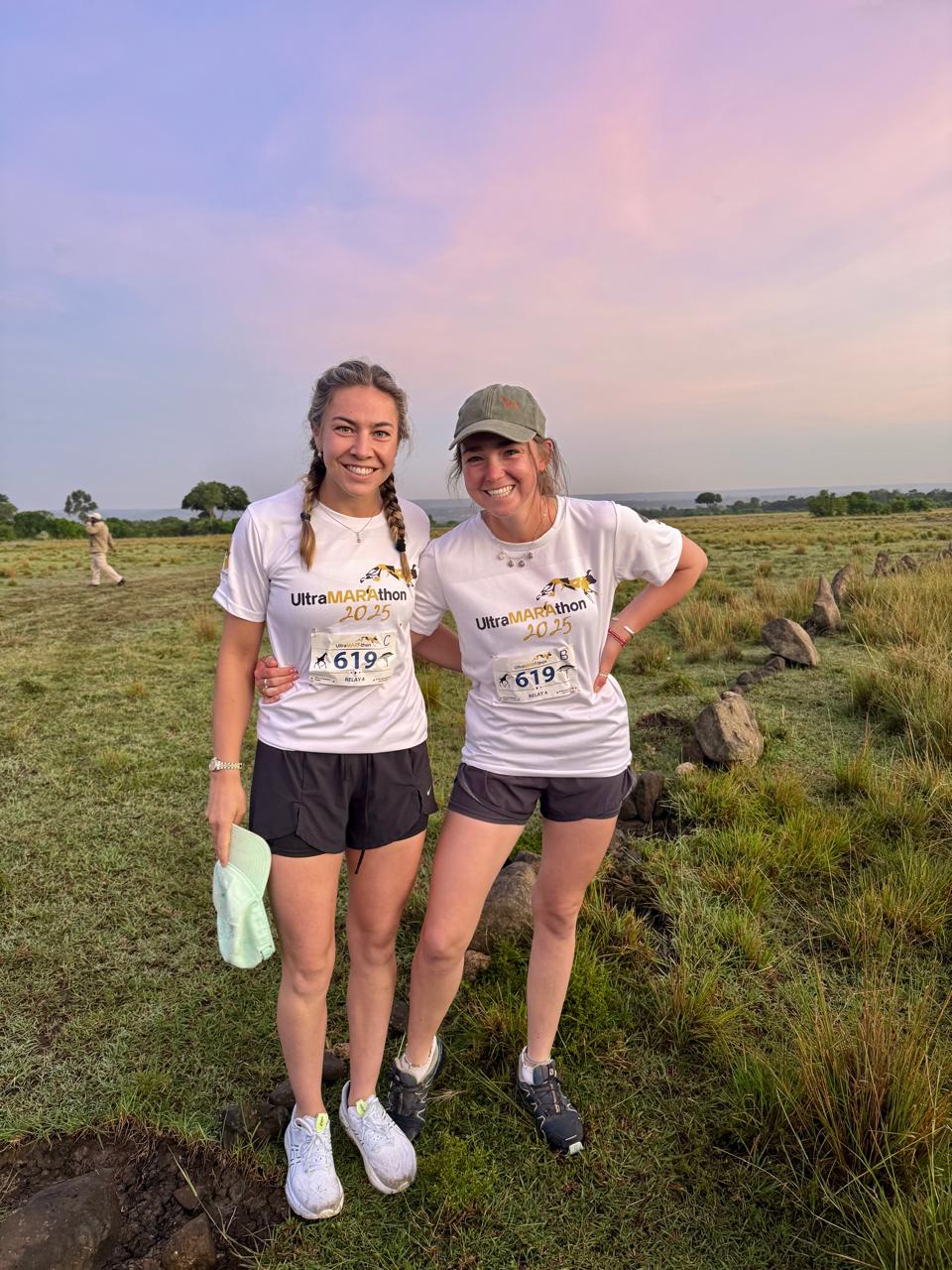
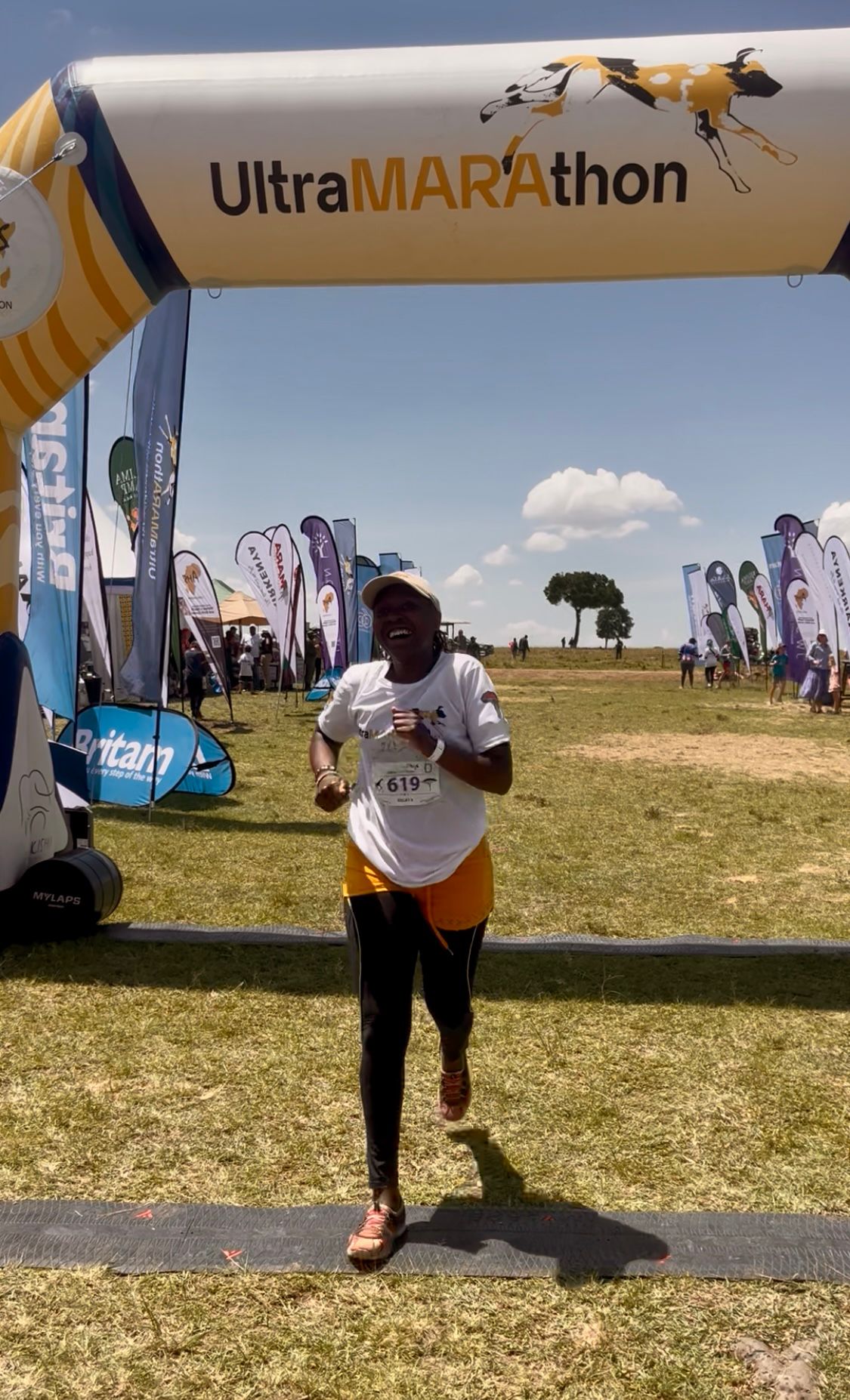
Our mixed teamOllie, Laura, Grace and I finished 8th out of 22 in the 12.5 km relay category. Meanwhile, Dianne and Howard took on the 25 km race and were thrilled to place 6th out of 11, especially on one of the hottest days the Mara has seen this year.

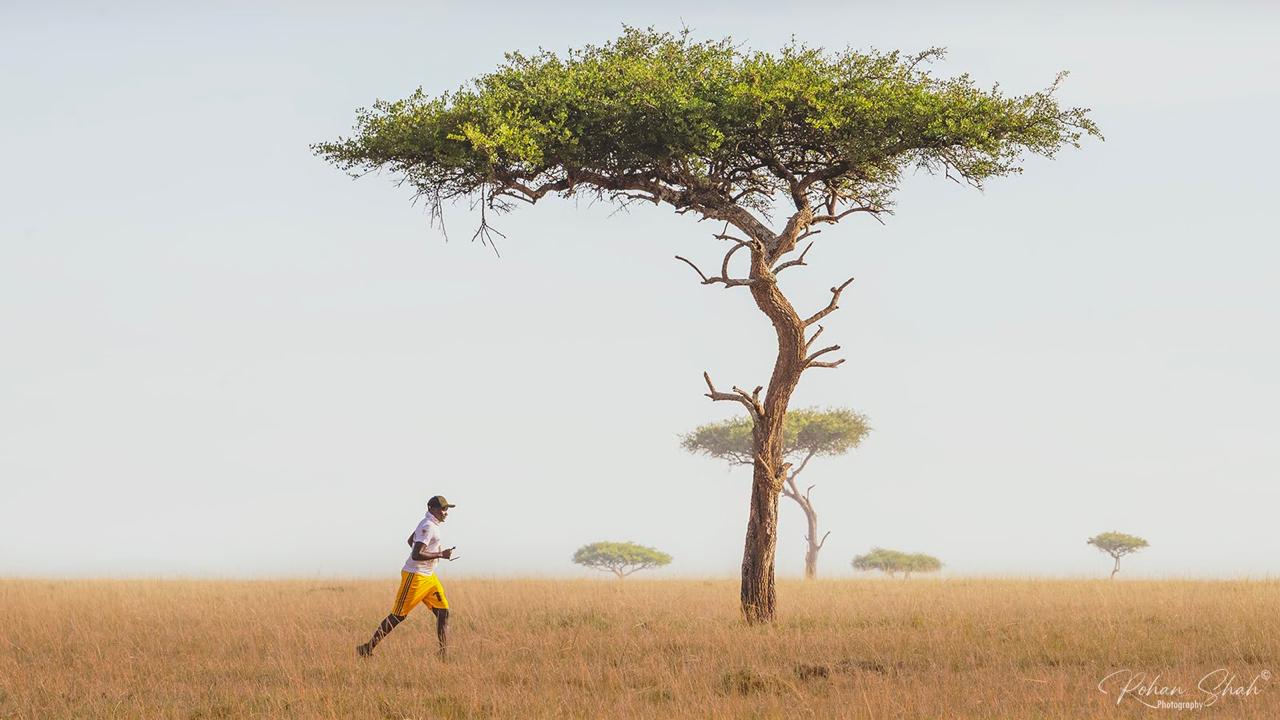
The caliber of Kenyan runners was incredible to witness; even without professional athletes competing, the standard was exceptionally high.


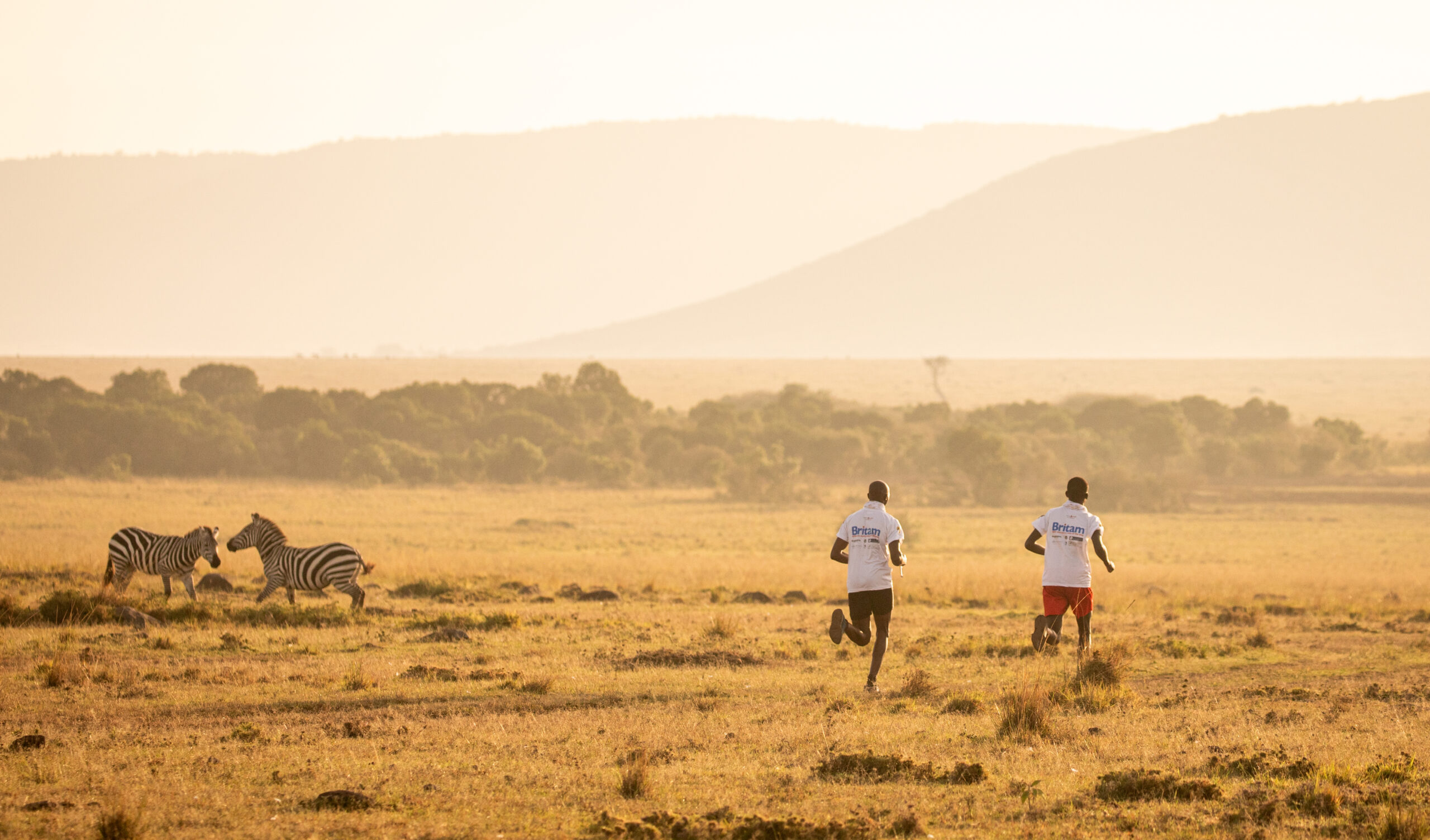
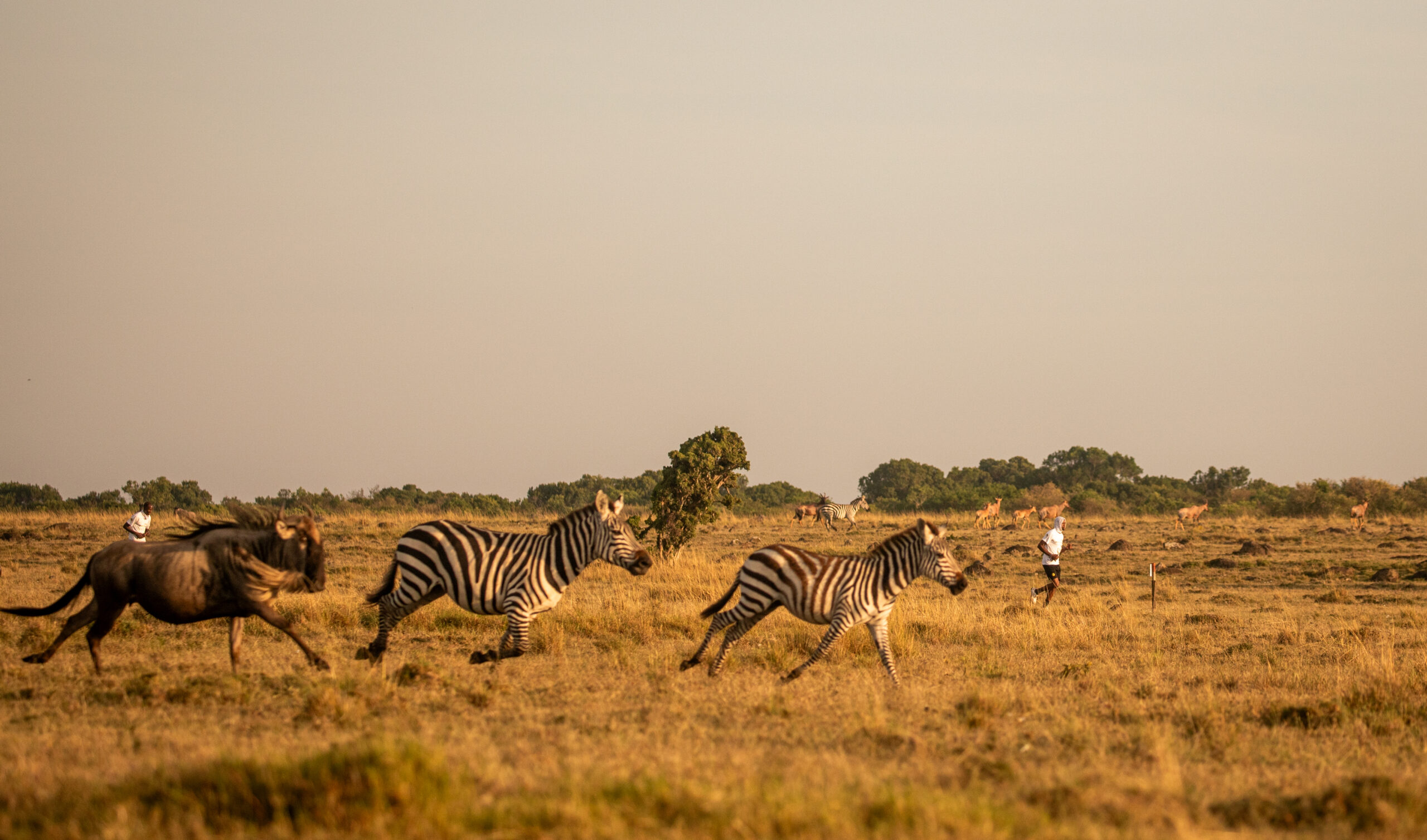
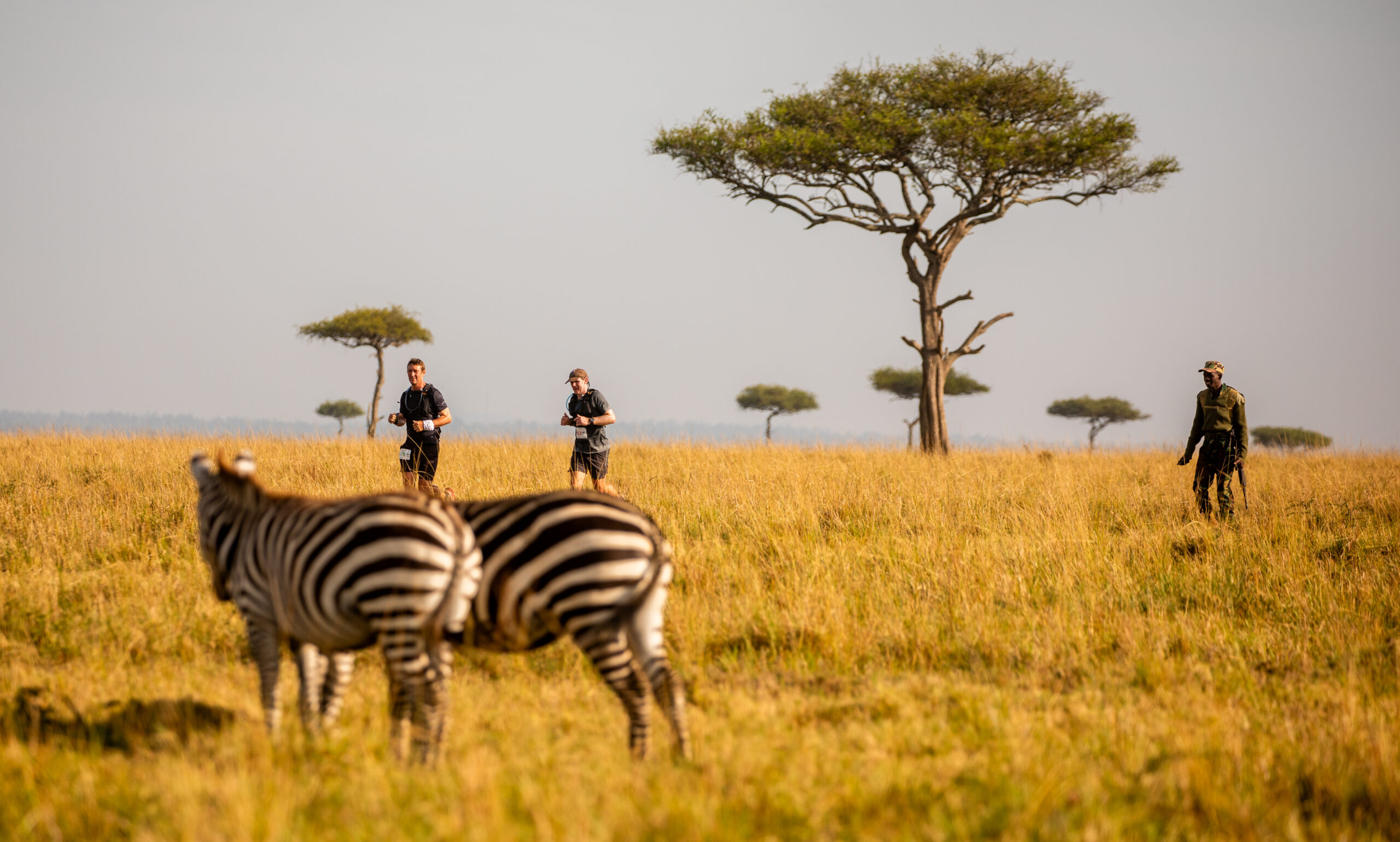
Out on the course, the atmosphere was electric. The scenery was spectacular, and the camaraderie among runners made the entire day feel purposeful and uplifting.

Most importantly, running in support of the Mara Elephant Project gave the event real meaning, knowing that every mile contributed to vital conservation efforts in the region.

The funds raised go directly to supporting:
• Wildlife Rangers on the frontlines, protecting wildlife and their habitats
• Elephant conservation through research, tracking, and conflict mitigation
• Women’s healthcare initiatives in remote communities
• Local Maasai communities, helping them remain active partners in preserving their land and heritage


Wilderness first aid – staying safe in the bush

Filed under: blog — By Howard Saunders @ 1:45 pm


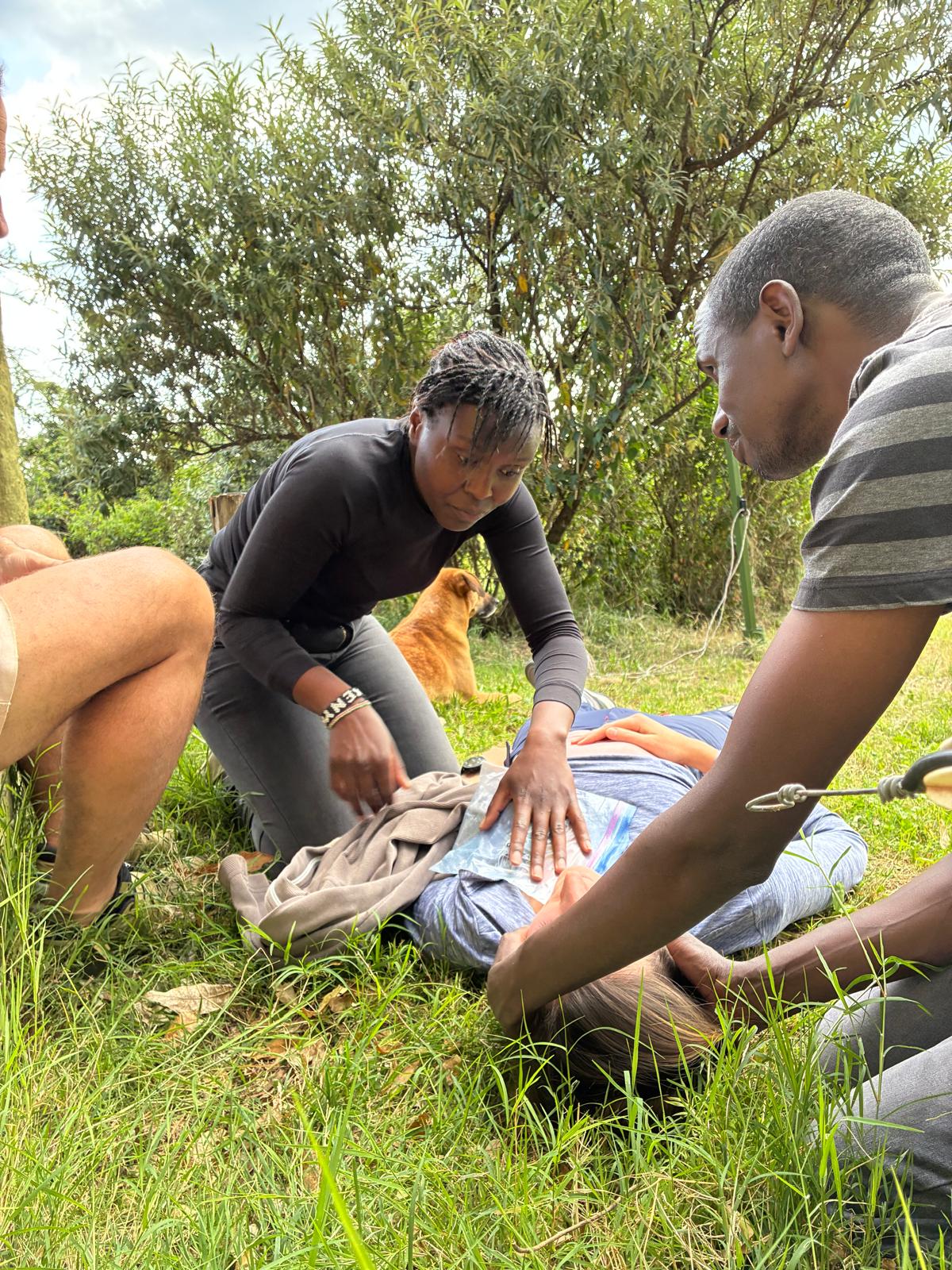
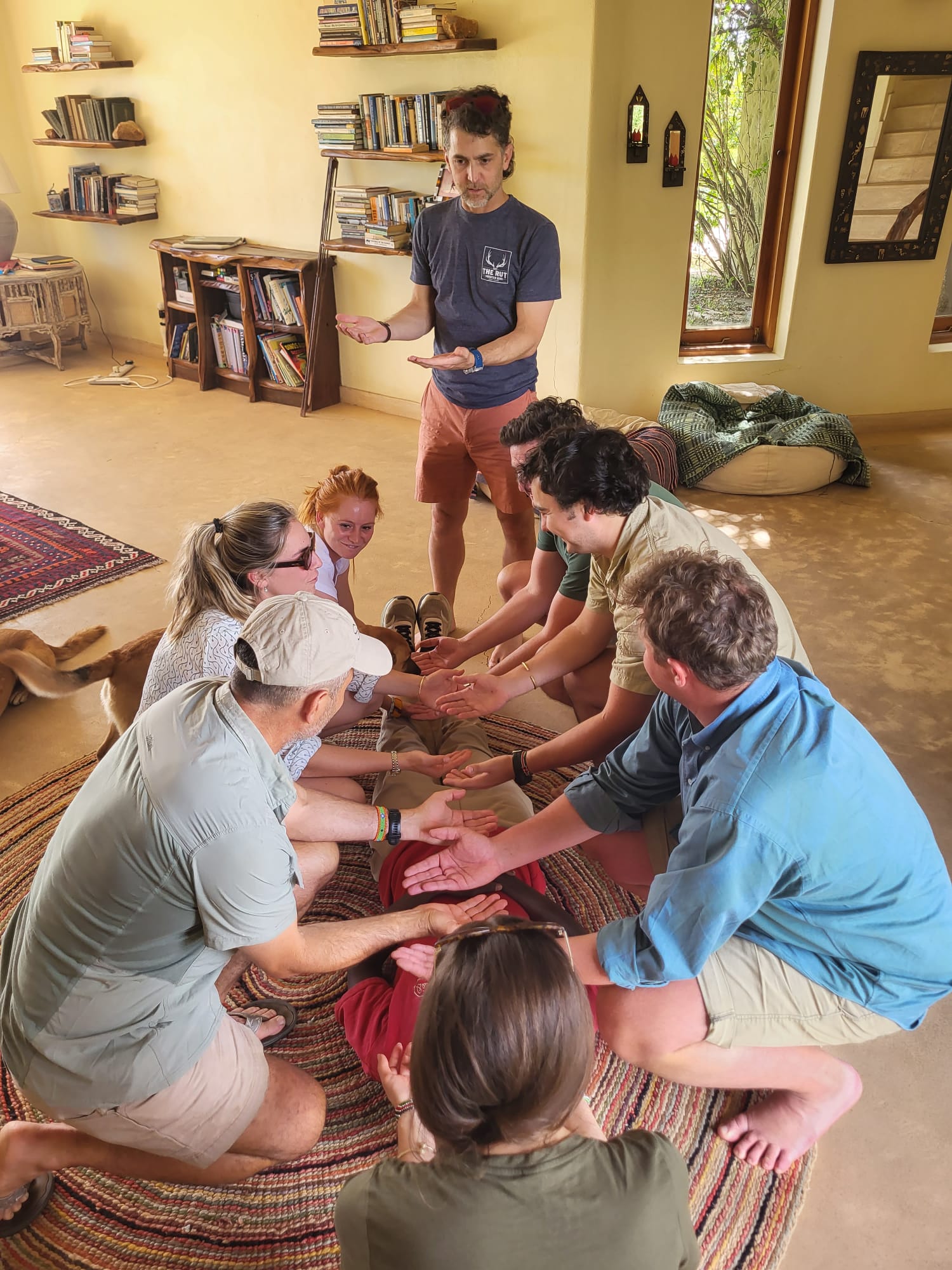
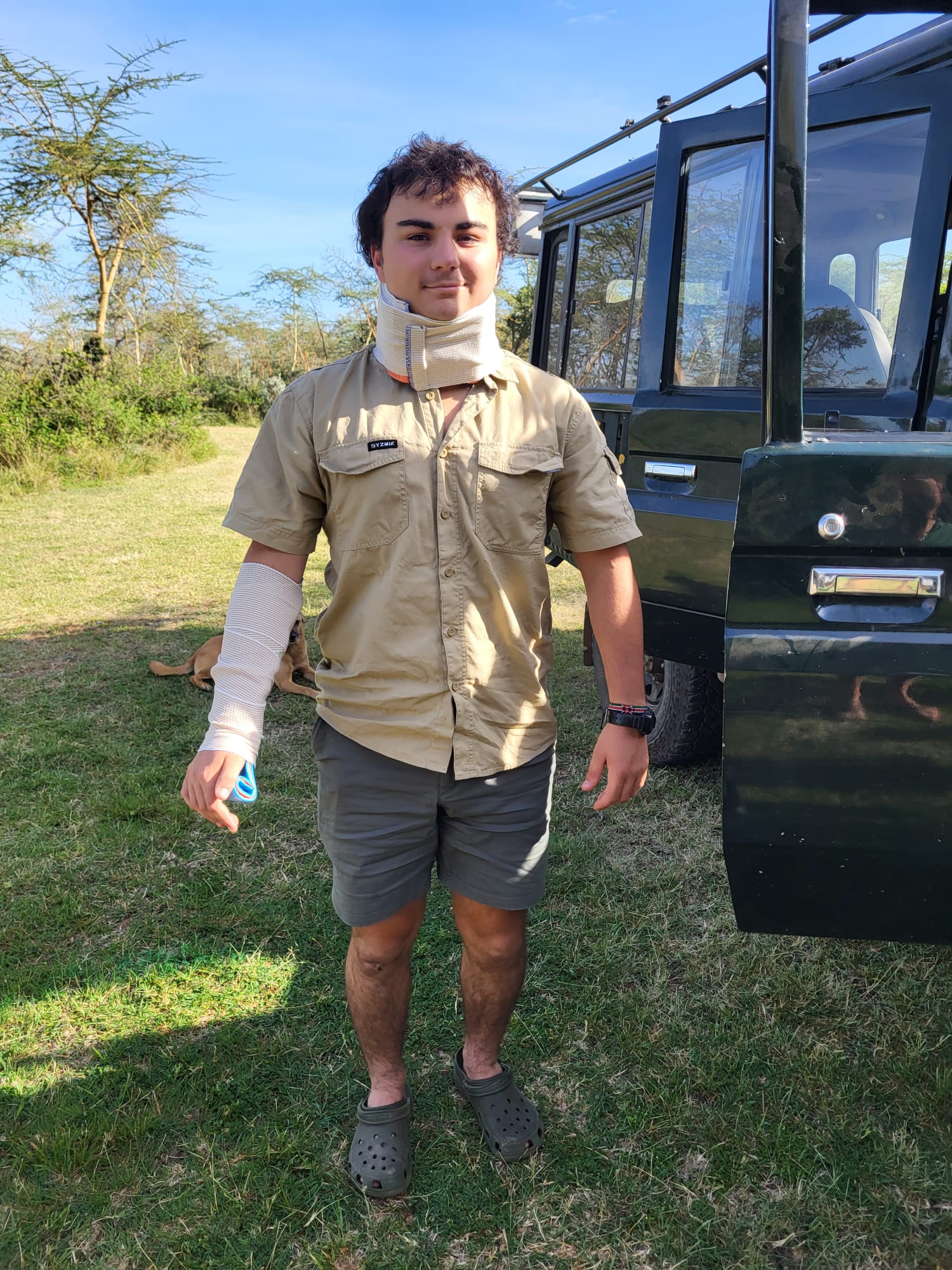
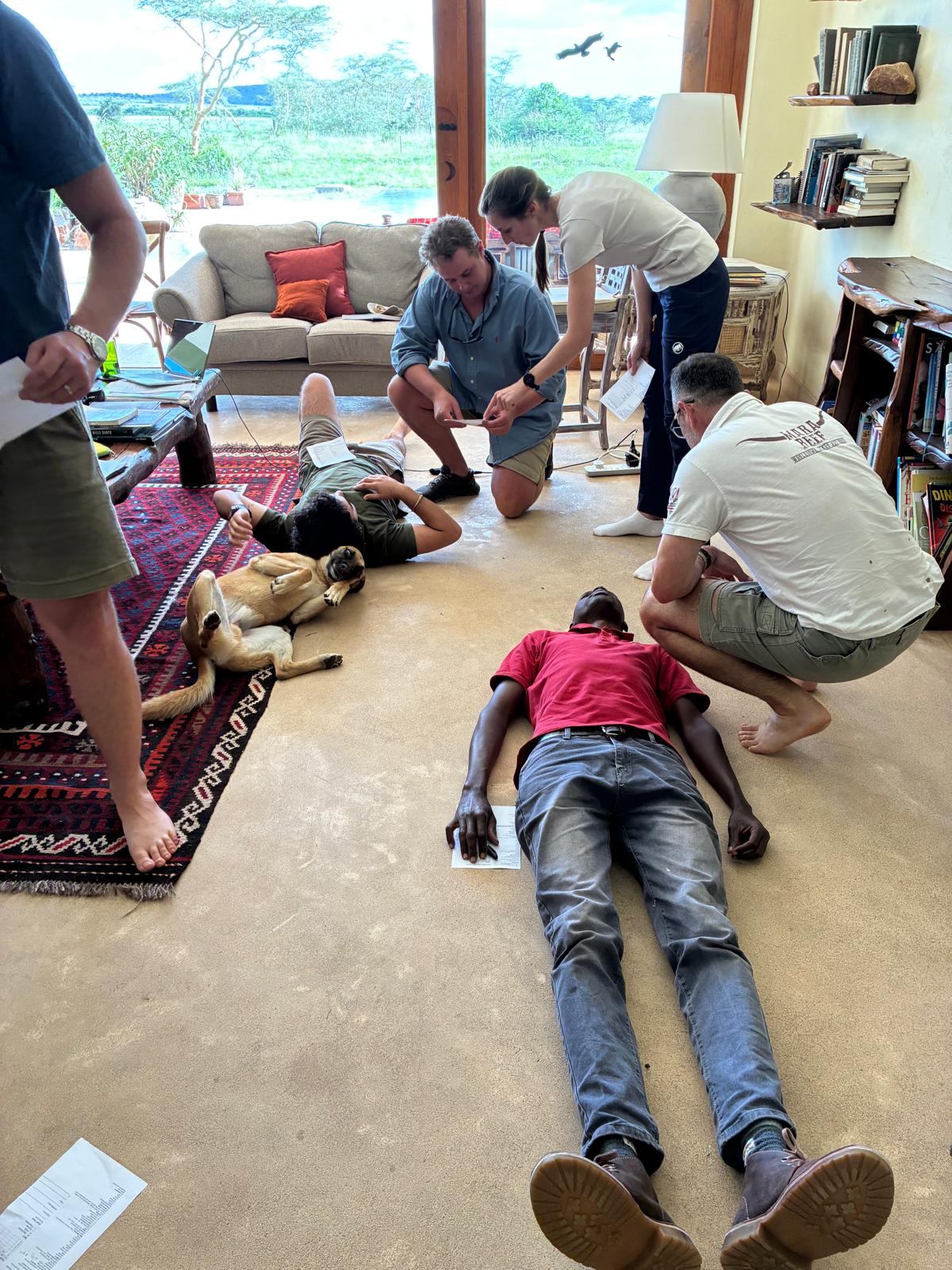
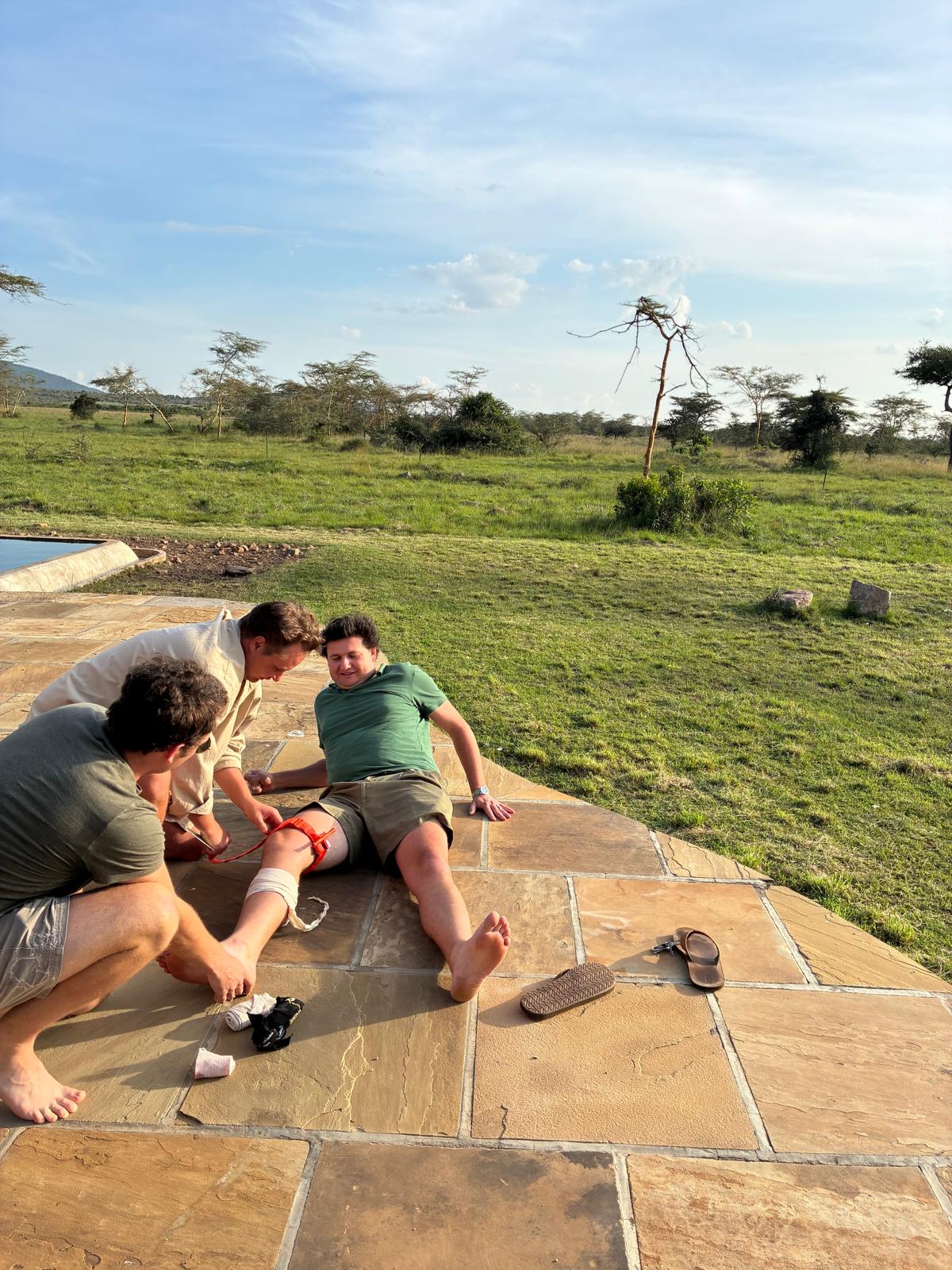
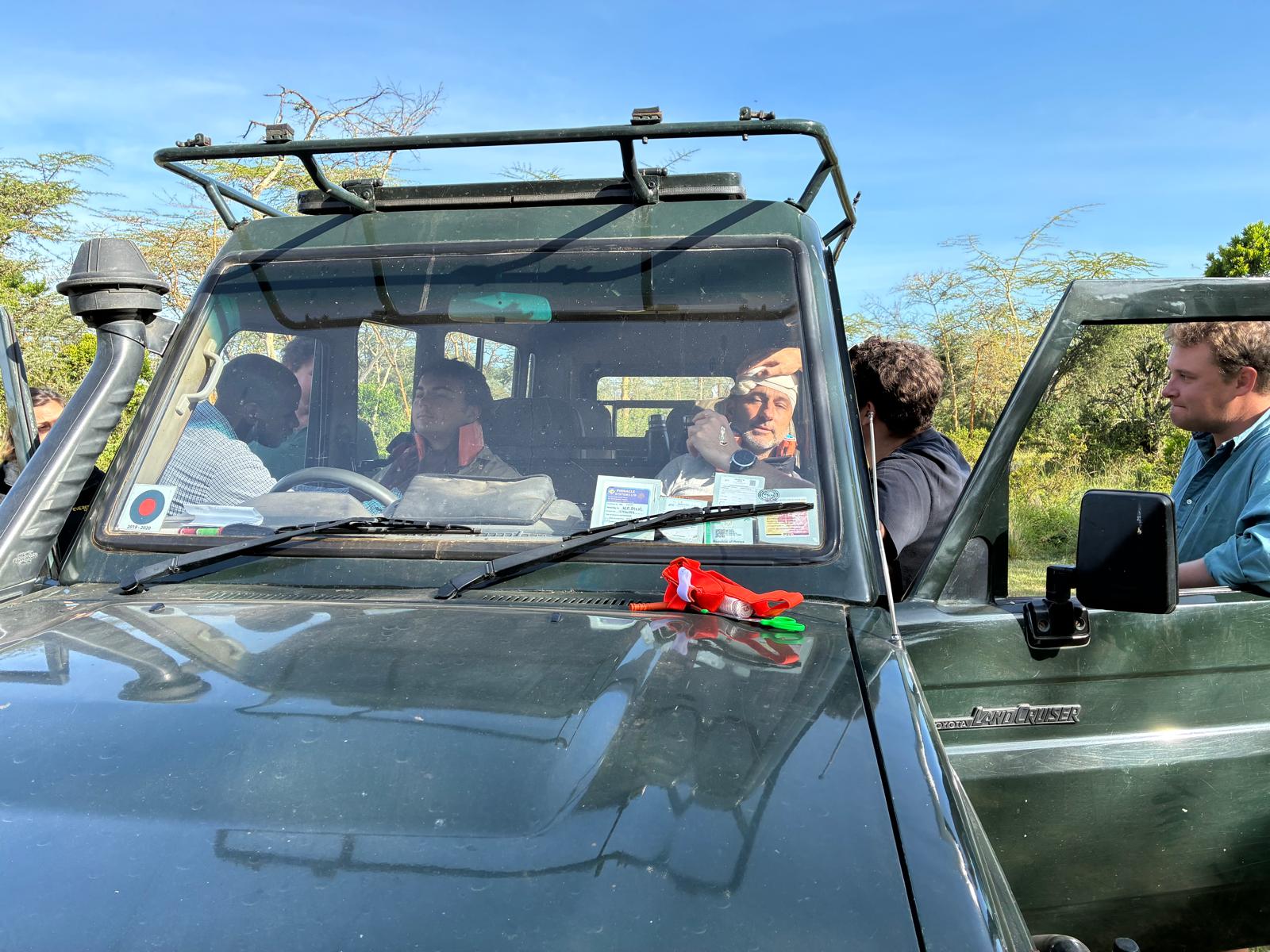
While the team were in the Mara, we undertook an intensive Wilderness First Aid course, gaining critical experience to ensure we can be proficient in dealing with any potential accidents that could occur in the bush.

Following some inspiring conversations with a safari guest last year, who happens to be both an experienced physician and an internationally certified Wilderness First-aid instructor, we invited him back to the Mara to run the course in my home, resulting in all ten of us achieving our Wilderness First Aid certification.

Our guests are always covered by the Flying Doctors evacuation service.

Some fascinating and wildly impressive stories from the establishment of this valiant organization can be found in Go An Extra Mile, Michael Wood’s memoir of his early days setting up the Flying Doctors in East Africa. His grandson Tarquin has continued the family’s pioneering traditions with trail-blazing conservation work here in the Mara.

Working closely with Tarquin on building sustainable wildlife conservancy models here has brought some hugely rewarding moments for us both.


Meet the team behind your safari

Filed under: blog — By Howard Saunders @ 12:30 pm

The Safari Dream Team

As many of you know, a safari is about so much more than the wildlife and landscapes—it’s the people behind the scenes who make every experience seamless, memorable, and truly special. For this edition of our newsletter, we’d like to shine a light on some of the incredible individuals who help bring your safaris with us to life. From the campfire to the cockpit, and everywhere in between, these are the dedicated team members who ensure that every detail is taken care of and every adventure exceeds your expectations.

Sharon; The Planner
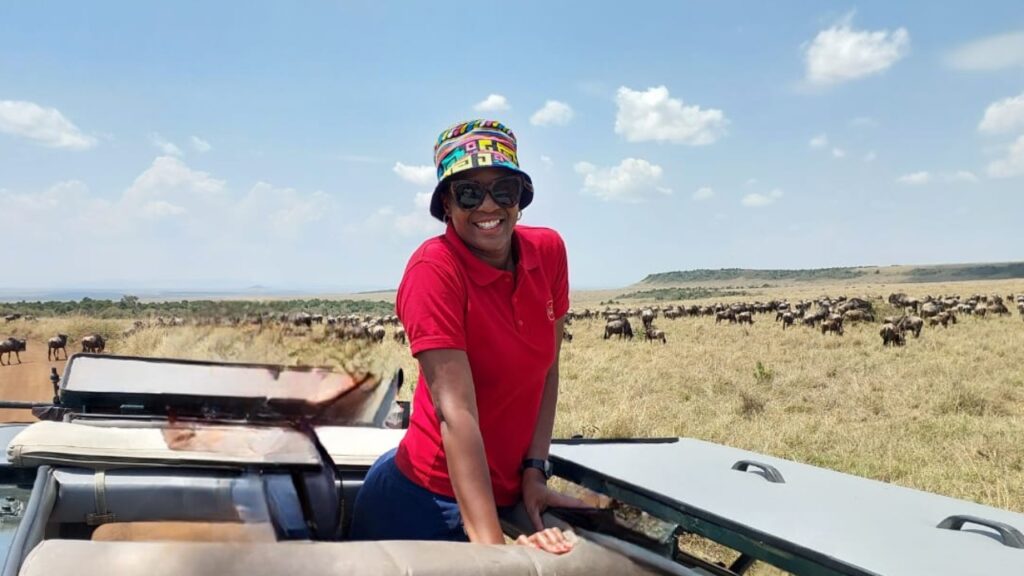
Many who’ve been on safari in recent years know of Sharon’s commitment to getting every detail of the planning in place. With an eye for detail, and commitment to seeing that each and every guest has the ultimate personalized experience, Sharon adds a special touch to each safari.


Liberty; The Organizer
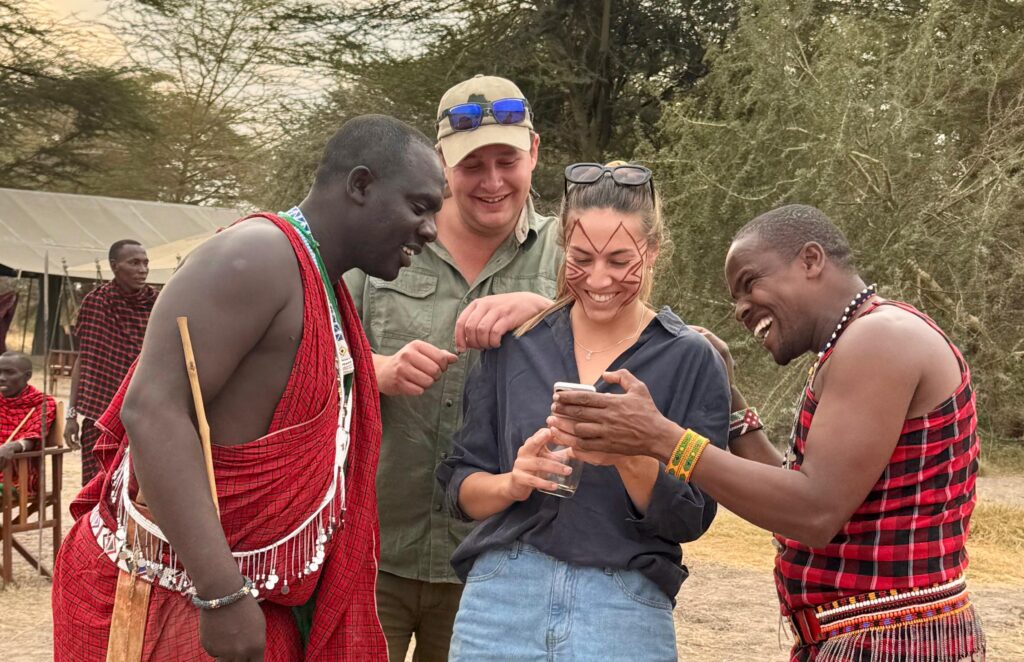
Having cut her teeth training event horses and racehorses, Liberty relishes the early starts and demands of life on safari. She has also spent years working on super yachts as a stewardess and chef. On safari Liberty is busy assisting on multiple fronts from new recipes for the camp kitchen, to the coolest communication tools, she provides high-quality back-up, behind the scenes and in the field.

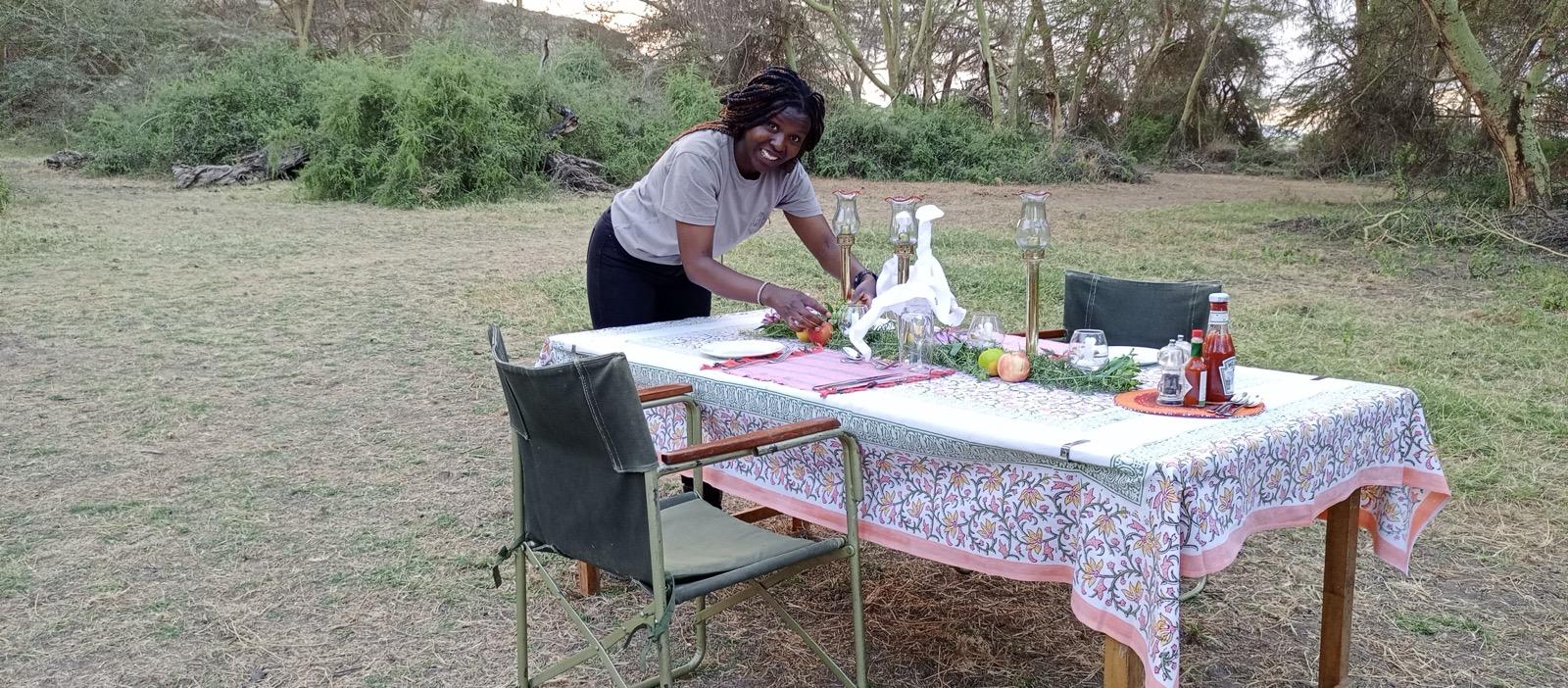
Grace; The Camp Manager
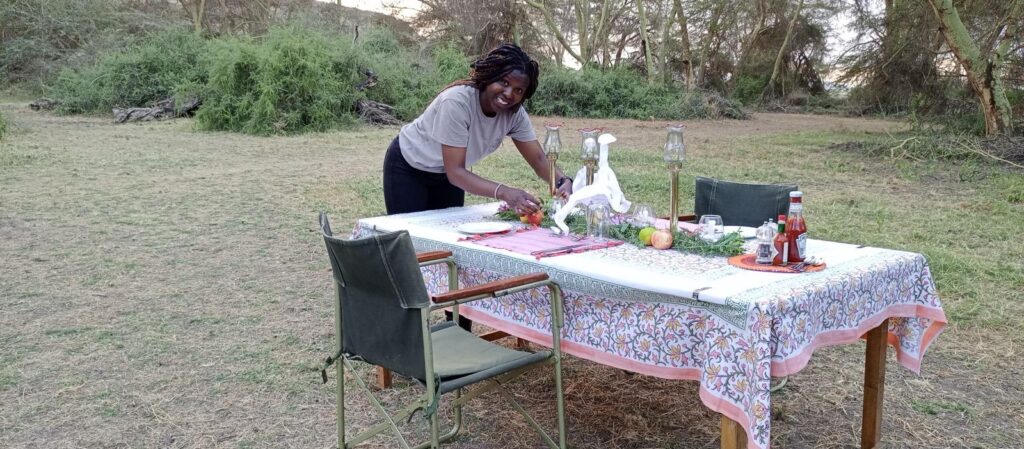
With her vivacious smile and laughter, and dedication to the hard work that keeps the camp and crew on task from dawn to dusk, Grace personifies the service level that our team strive for. Starting with us back in 2013, Grace worked her way up from waitress to Manager, setting the standards with her work ethic and positive energy each day!

Metito; The Tracker
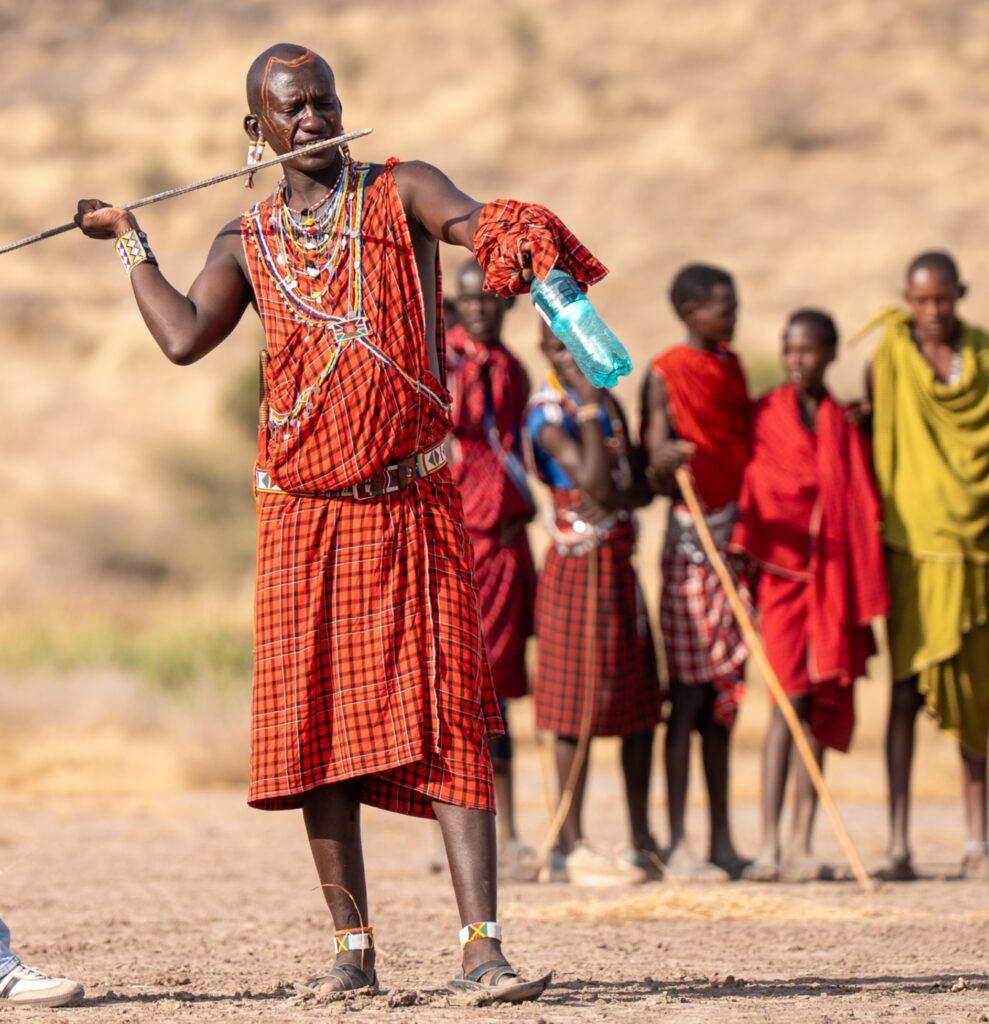
Since his time working with the lion research and conservation program, Lion GuardiansMetito has become one of the sharpest carnivore trackers and spotters. He’s also a thoughtful ambassador for his community in Amboseli, especially when we get to visit his village, and the little Masai school where his wife Clare is teacher. More recently Metito has become quite the photographer, often framing pics for guests with the absolute best African moments immortalized.

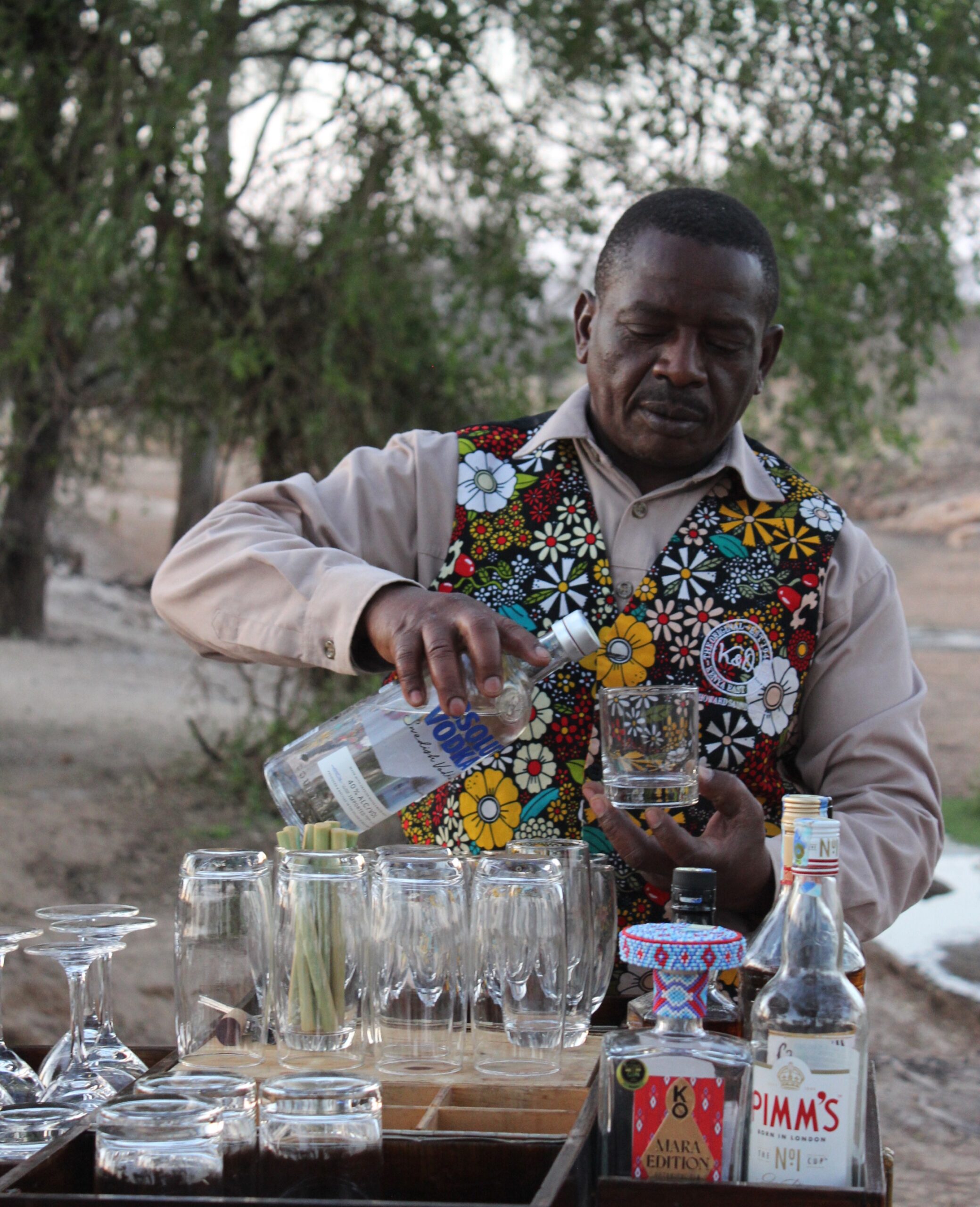
John; The Pourer
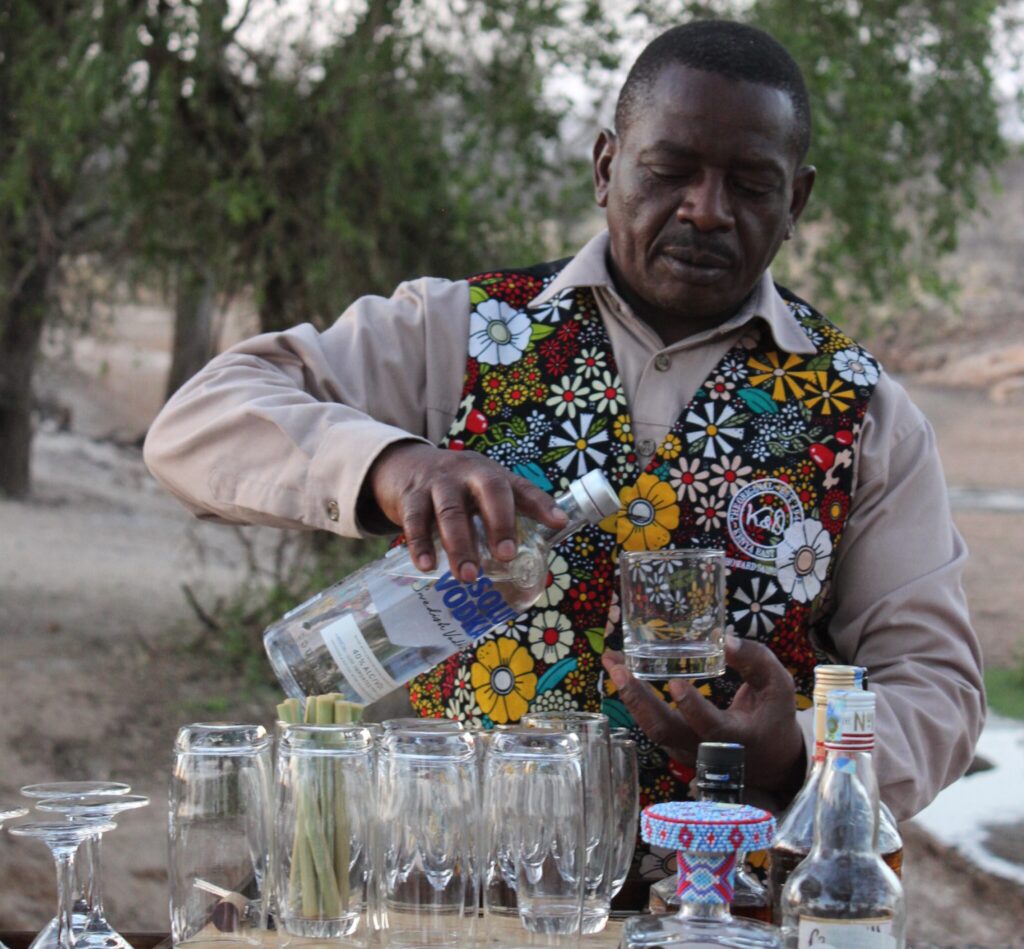
John’s father, Mzee Balaga was one of the seasoned camp cooks from the big game hunting days, when dinner meant skinning and preparing the gazelle and guinea fowls that were brought in. Having grown up with so many in his community working with the guides of Ker & Downey Safaris, it was a natural for John to join.


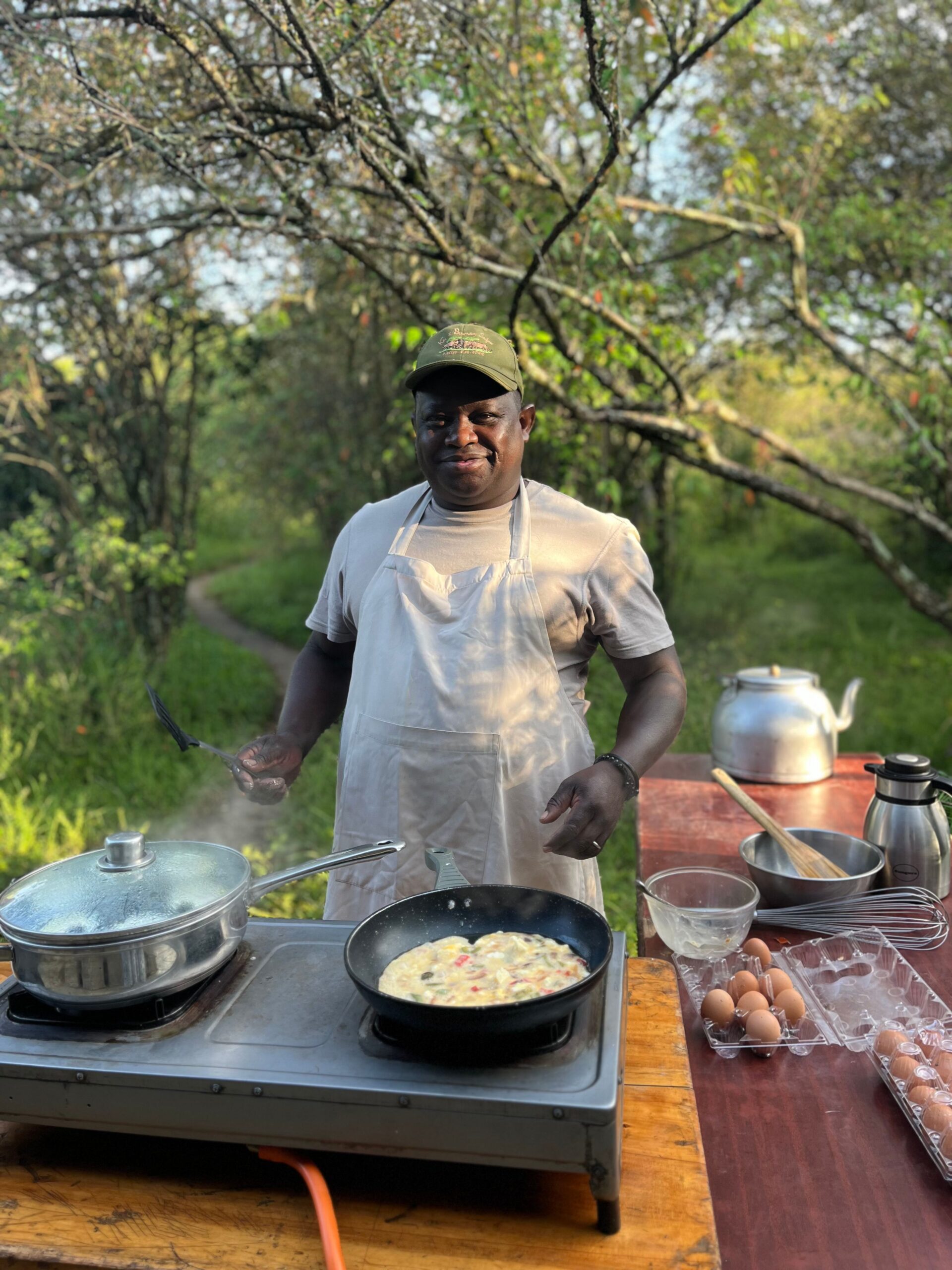
Tom; The Chef
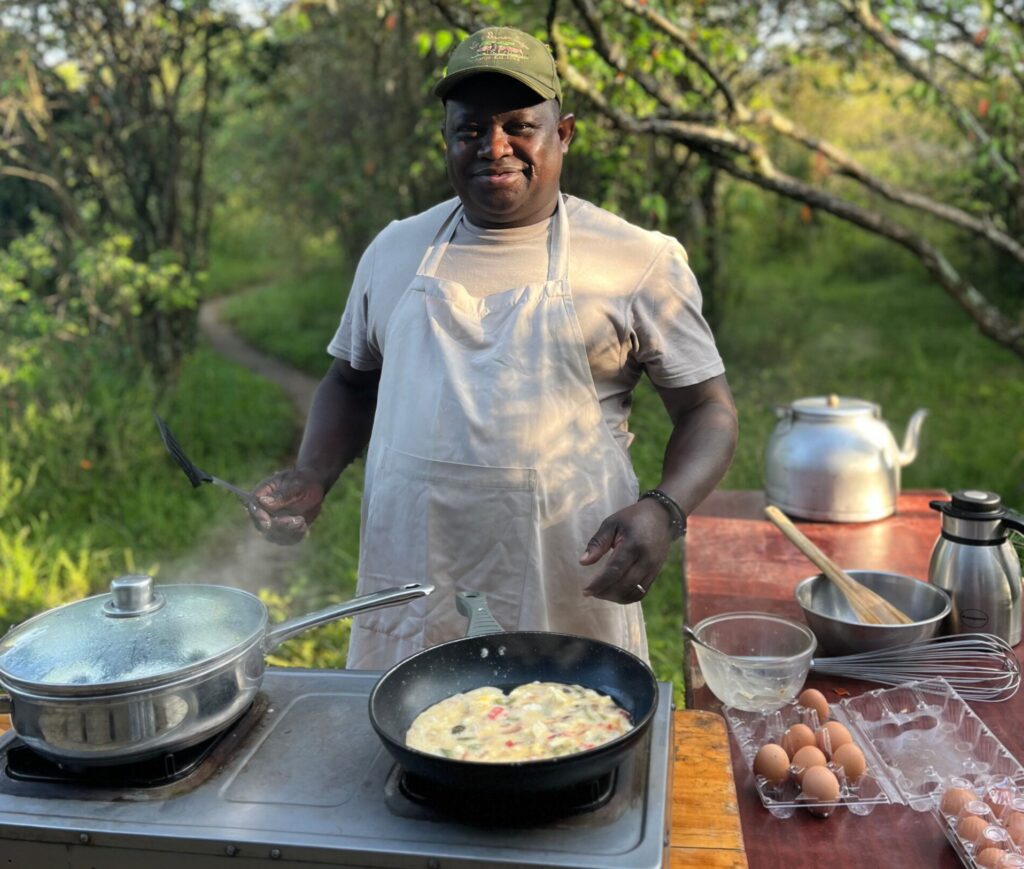
Tom joined the Safari team in 2006, and went on to become our head chef. He’s produced so many delightful meals over the years, and kept innovating with the wonderful supply of fresh fruits, salads and vegetables we enjoy here in Kenya.

Guide Profiles

Mark Boyd; The Photographer
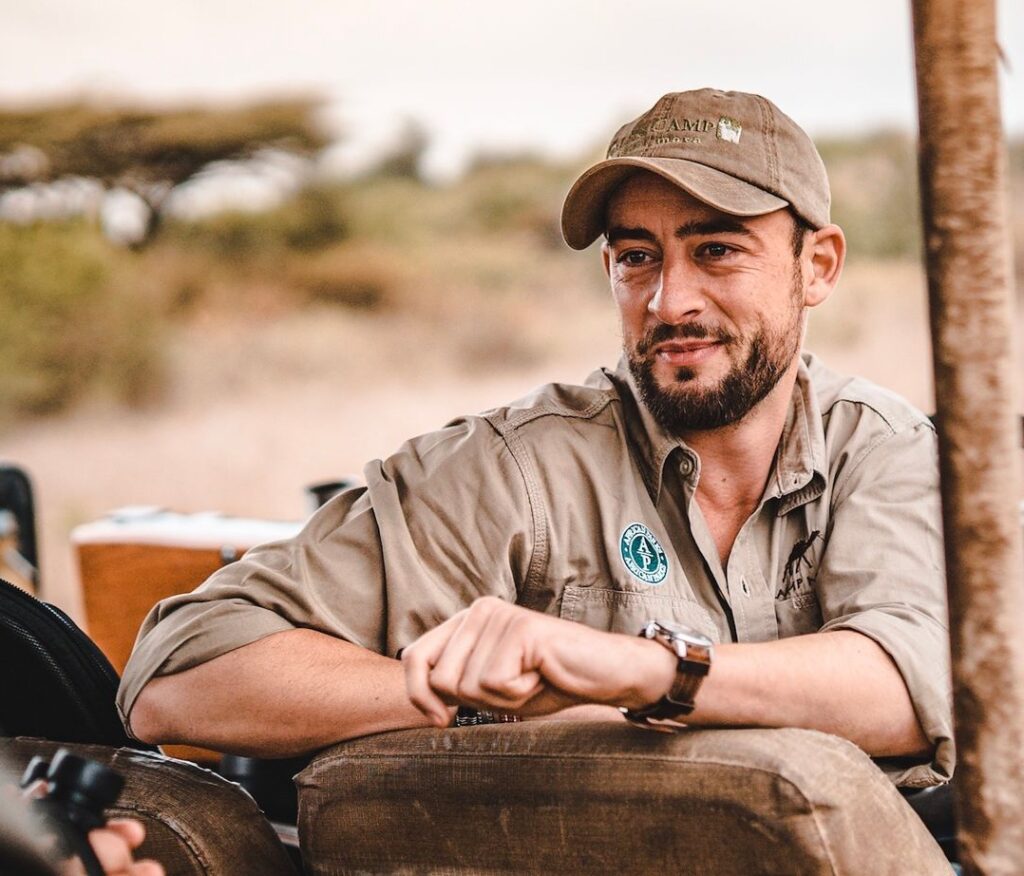
 

Known affectionately by all who meet him as “Boydie”, Mark has become a regular guide on my safaris the past few years. With a deep connection to Africa’s wild places, from Kenya to Gabon, Boydie revels in sharing the beauty and soul of Africa with guests. Boydie has won wildlife photographic competitions and this savvy is passed on to guests as we line up that perfect lion shot.

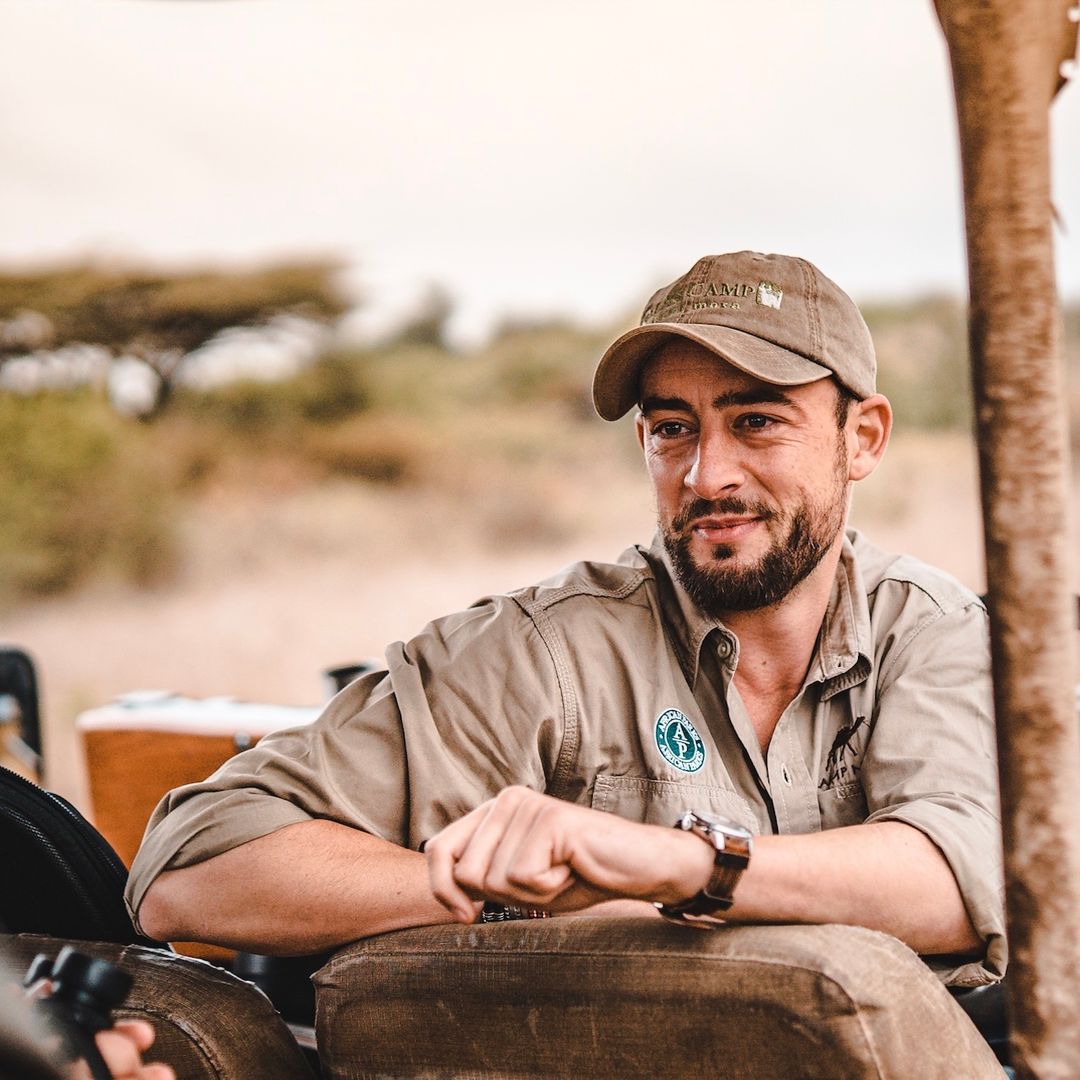
Matt Seth-Smith; The Entertainer
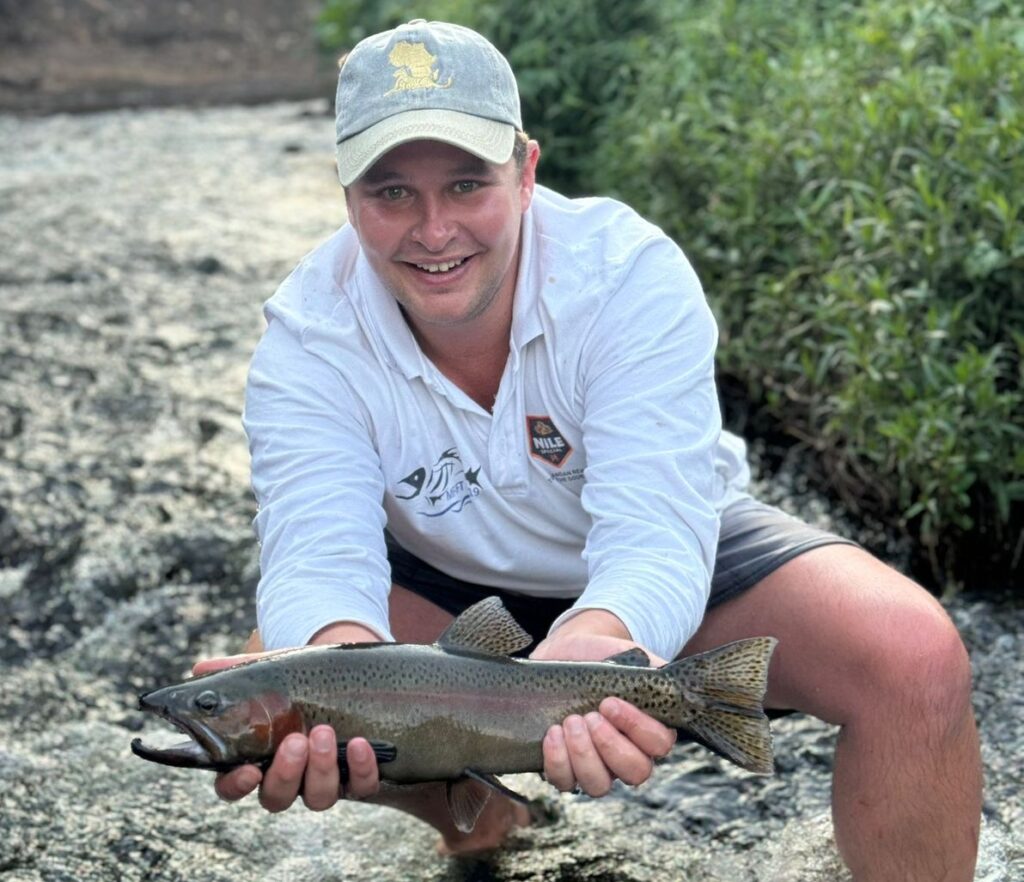
 

With a flair for knowing how to truly have fun on each safari, Matt brings great energy to his guiding career, along with an infectious enthusiasm and laughter. Steeped in knowledge, Matt is the third generation of guides in his family who’ve worked with me over the past 25 years. He has the keen eye for picking out the big cats, and a safari guide’s natural intuition for animal behavior.

 

Titans of Tsavo

Filed under: blog — By Howard Saunders @ 8:49 am

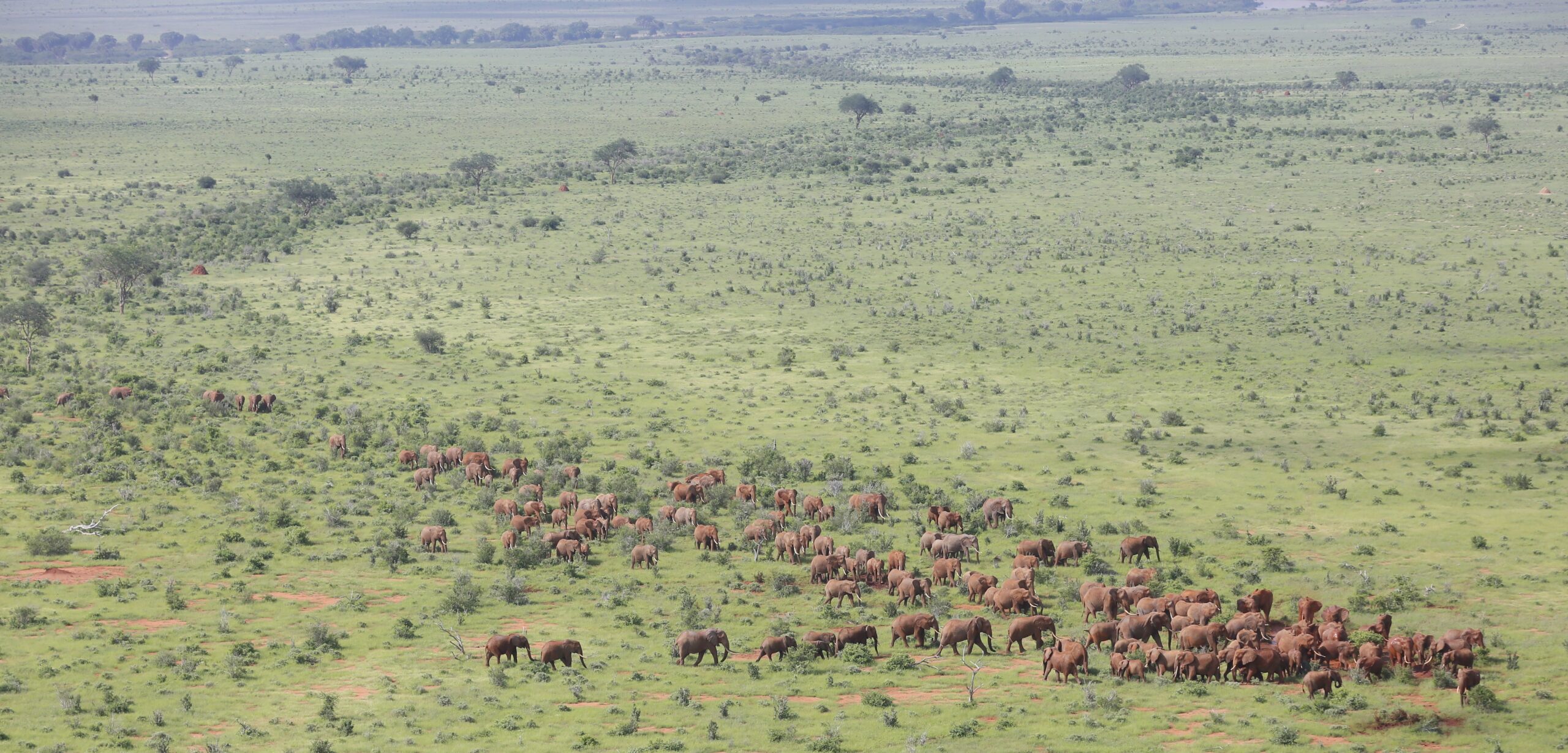
We were in camp along the palm-fringed Tiva River. For most of the year the river’s sandy base is an elephant highway, until the rains bring a torrent of water which provides the annual flush, filling the water holes that sustain life in this remote, northern part of the great Tsavo National Park.
Home to roughly half of Kenya’s elephant population – about 18,000 of these giants roam here! – Tsavo is one of the largest protected areas in Africa. Famous for these and other charismatic big game, Tsavo is perhaps one of the last truly wild locations to explore. Over a century ago, the infamous “Man-eaters of Tsavo” put a temporary halt to the construction of the Mombasa to Nairobi “Lunatic Express” Railway, before these lions were dispatched, and ended up as exhibits in the Chicago Field Museum (where they still sit today, tamed at last).

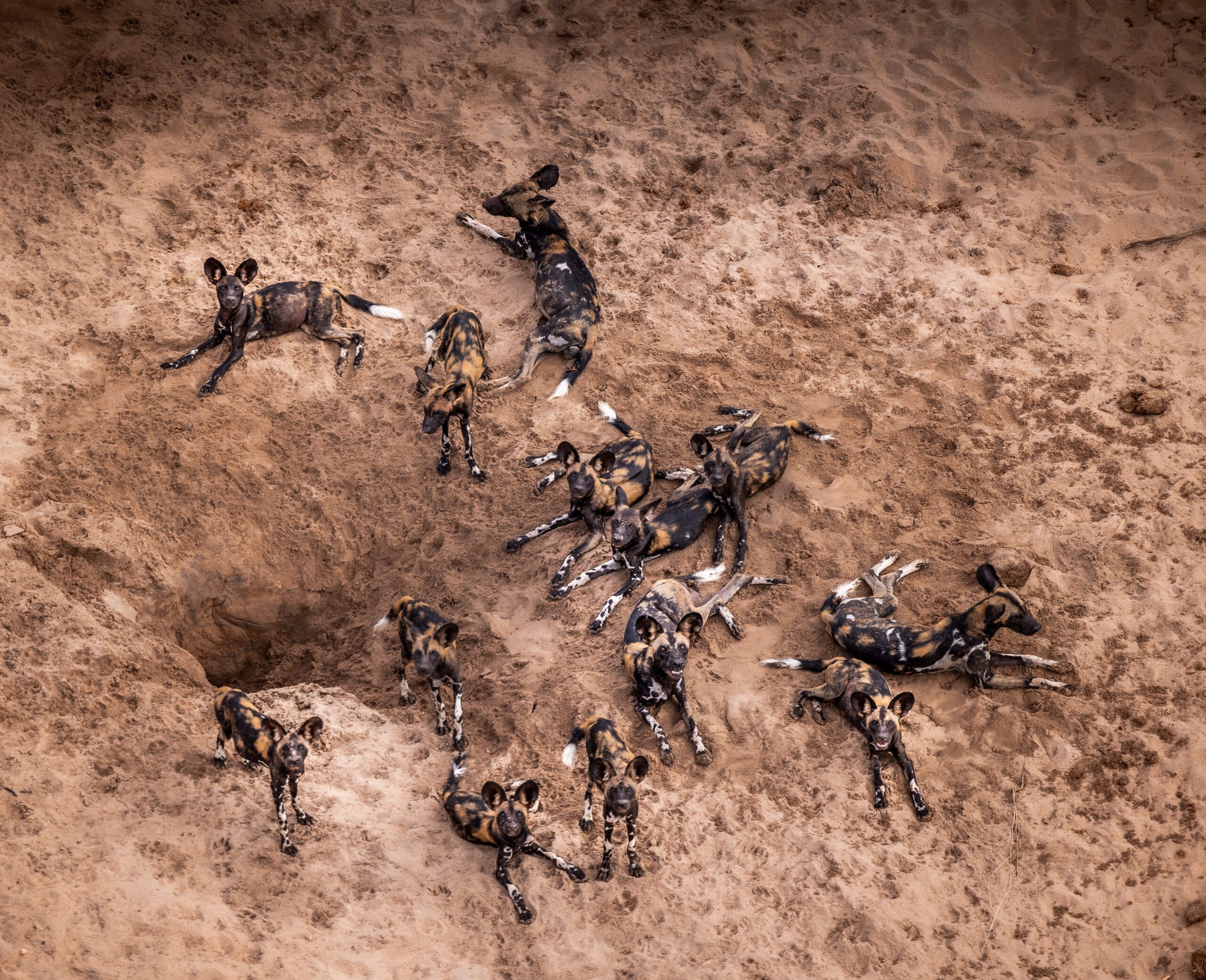
Our company pioneered much of the early tourism in Tsavo, back in the 1960s and 70s, before some of the great herds were hit hard by drought and poaching. The resurgence now of wildlife across this vast wilderness is impressive. The elegant lesser kudu and other antelopes add to the mix alongside the elephants, outstanding birdlife, and a healthy leopard and African Wild Dog population make for some exciting predator sightings!

Working hard on the front lines of conservation, Tsavo Trust has become one of the most dynamic and effective organizations in the field.

Since it was founded over a decade ago, their project has been an important recipient of my support as it patrols the skies and tracks of Tsavo’s expansive terrain. Its success in nurturing the growth of Tsavo’s elephant herds back towards their immense numbers of the 1960s, and the rebuilding of the endangered black rhino populations is one of the most exciting conservation stories of this decade. Richard Moller’s stewardship of the organization is key to its success and his dedication shows through in all aspects of the Trust’s success stories. Not least of which is the incredible support and relationship he’s built with the Kenya Wildlife Service who run the park administration. It’s been wonderful to watch the Tsavo story, having known Richard since the late 90s, and seen him become a key player in conservation work that benefits Tsavo, as well as the Amboseli ecosystem where so many of my safaris operate.

And now it’s our final day in camp. I awoke before dawn to listen to that most evocative sound of Africa, the lion’s roar; so close to camp. And sure enough once up, we were able to find her tracks in the sandy river bed, and see that she prowled below our tents to the water hole, then back. Together with several bull ele’s, kudu, baboons, a striped hyena and a leopard, the lioness completed a busy stream of thirsty interest in the spring in front of camp; all seen as I checked the camera trap each morning.

There’s a certain awe in these moments that draws you into the present—making you feel more alive, grounded, and in tune with your thoughts and those around you. For many guests, it’s this sense of wonder and curiosity that becomes the true treasure they take home from Africa.

Ollie Saunders; A Night With The Rangers

Filed under: blog — By Ollie Sanders @ 10:08 am

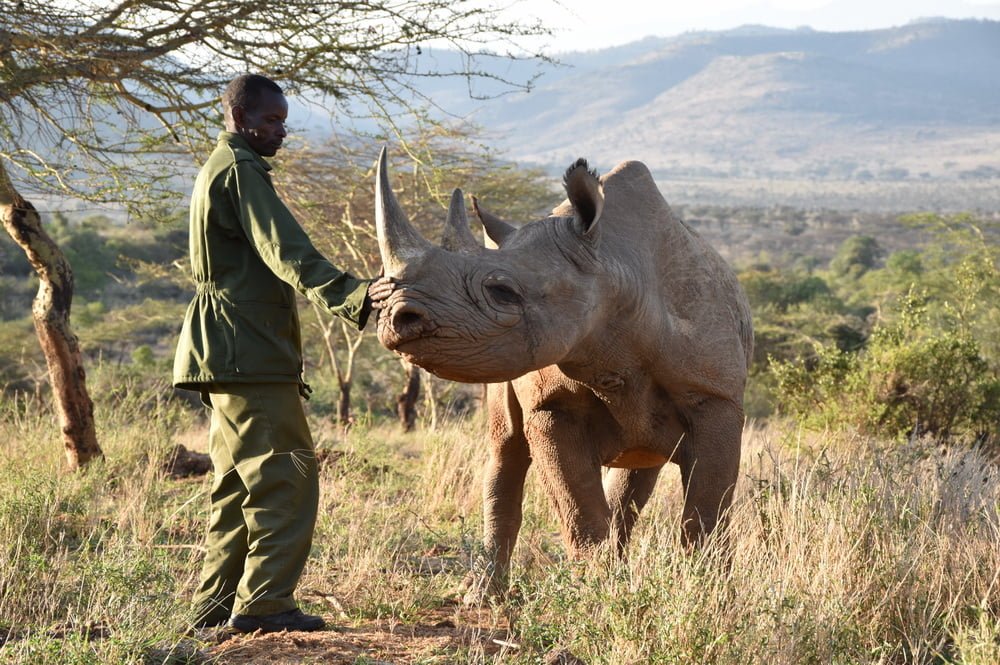
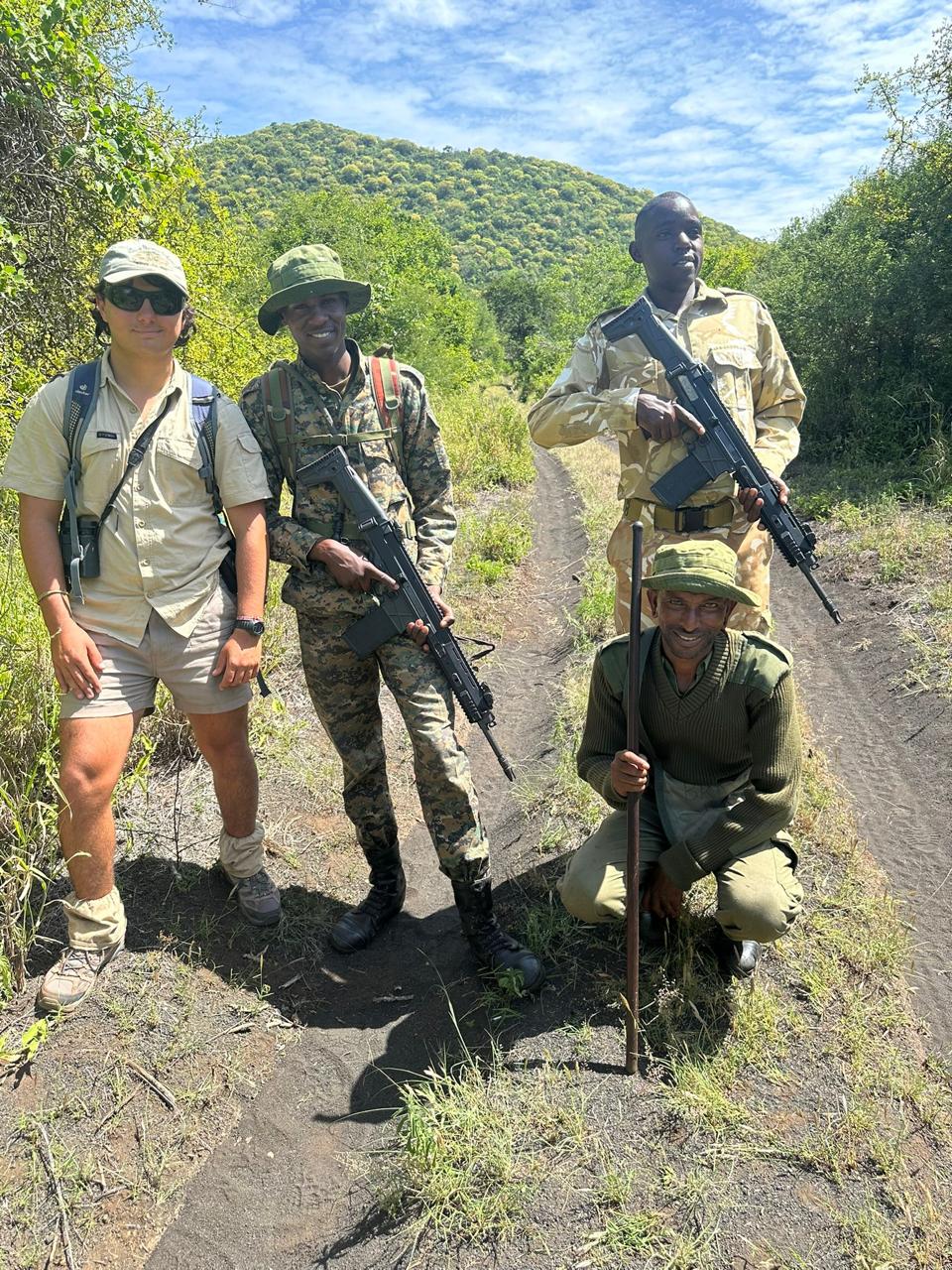
My son, Ollie has stepped up to some exciting opportunities this year alongside his junior guiding work. This season he spent a night on patrol with rangers from Big Life Foundation, gaining a first-hand insight into the daily challenges and rewards of wildlife conservation. Here is what he had to say about the experience upon an interview:

“What struck you most about the work being done by the rangers?”

Ollie – “How passionate the Rangers were about their work. It all takes place out in the African bush where most of them grew up, so seeing their familiarity with that environment was amazing. And as the rangers do this all the time, they are a close-knit squad; with strong camaraderie amongst them. 

I was so impressed with their outdoor knowledge, their bush skills from having grown up in the wild, like differentiating between even the smaller marks left by rhino v elephant. They really know their job, the core part of which is looking for any signs of rhino activity, even when the signs are subtle and hard to see to the untrained eye. My walk covered rough country over an old lava flow, with plenty of acacia thorn, and this is typical of the challenging terrain the Rangers cover every day.”

Why do you reckon the work done by these rangers is so valuable?

Ollie – “The habitat these endangered rhino live in is only accessible by foot, and only these rangers have the ability to get in and track close to the rhinos. Many hours walking through the lava rock and acacia thickets to get status reports on takes many hours of tough tracking. This is so important because the Chyulu Hills offers a sanctuary to the rhinos, who as a large herbivore are a key species within that ecosystem.”

By protecting rhinos, what are the other benefits to wildlife in the area?

Ollie – “Having rangers out in the field means locating and deterring poachers who otherwise would be after everything from scrub hares for bushmeat, to elephants for their ivory. The Rangers check their trail-cams and search for other man-made tracks throughout the Conservancy; while all the time gathering information on other animals especially endangered ones like lion and elephant.”

 “What are the main challenges and rewards for people living in this region?

 Ollie – “Most Rangers here are from the local area, which shows communities nearby that their knowledge of the environment is of value. This level of employment offers benefits to the Ranger’s families in an area where Conservation and Tourism are an increasing meaningful career prospects.

https://www.youtube.com/watch?v=Od1DzXVKf1c


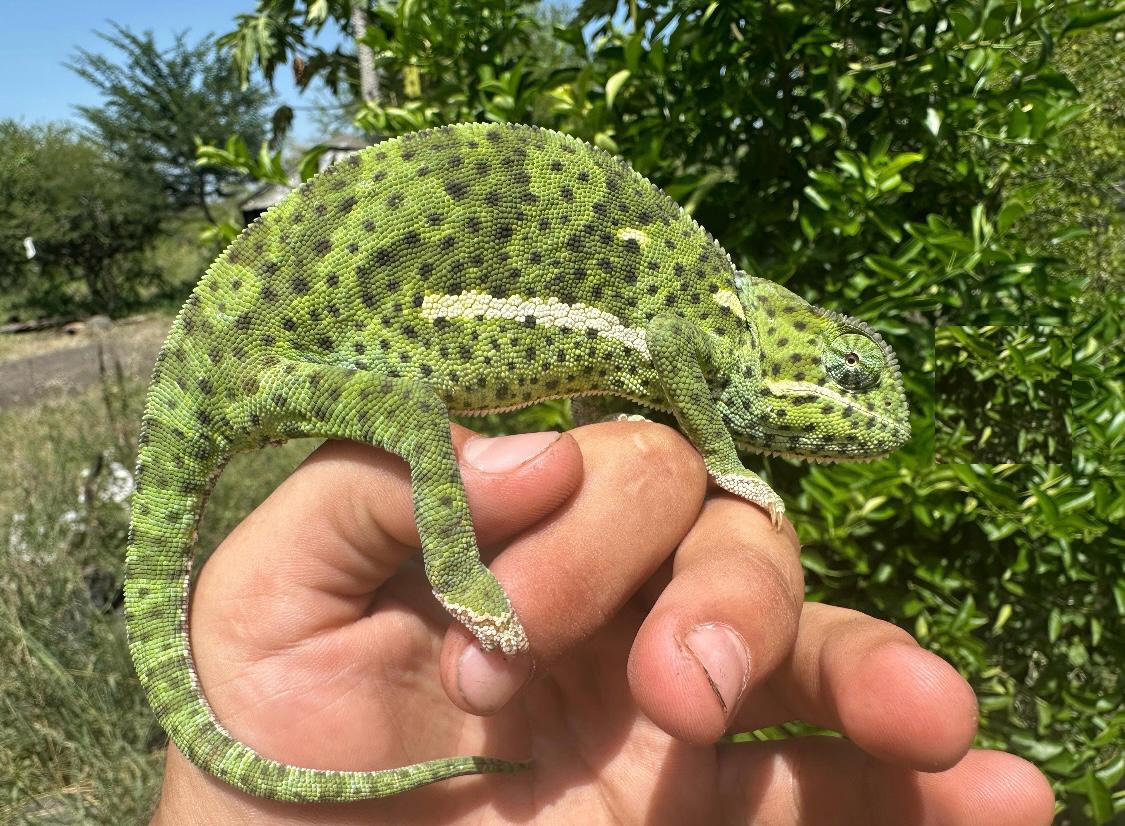
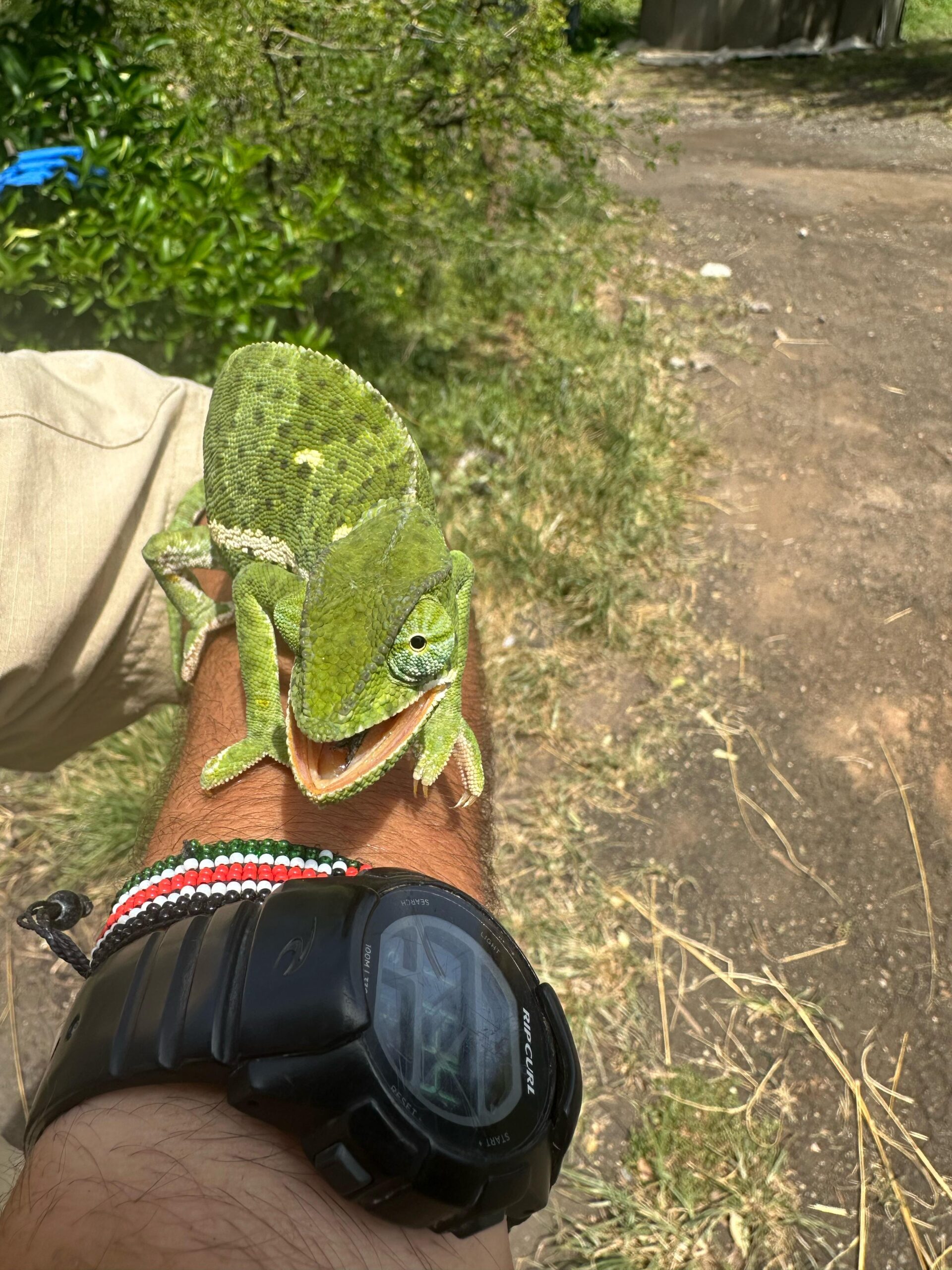
If any of you have met my son Ollie, you will know his passion and incredible ability to find chameleons, and here is one called the flap necked chameleon he found whilst on patrol.

Tracking Animals On Foot In Kitirua Conservancy

Filed under: blog — By Liberty Nichols @ 9:35 am

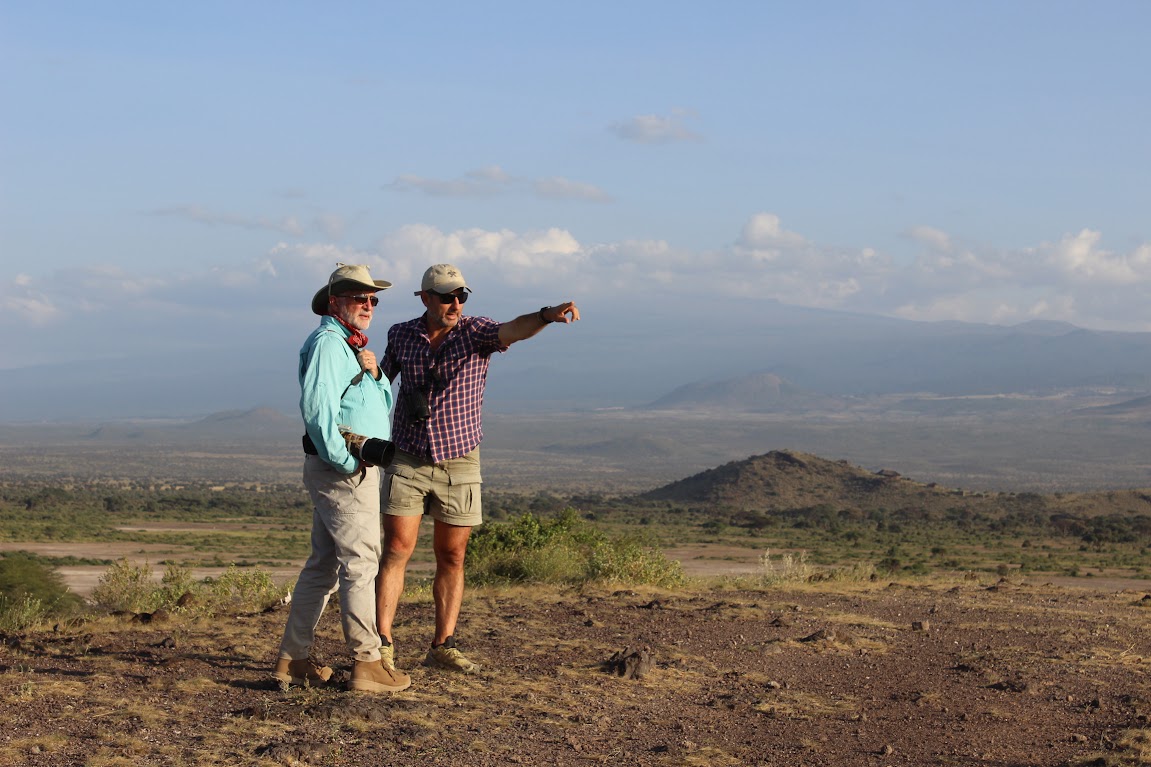
Nestled next to the famous Amboseli National Park, Kitirua Conservancy offers a unique and intimate opportunity to experience wildlife in one of Kenya’s most breathtaking landscapes.

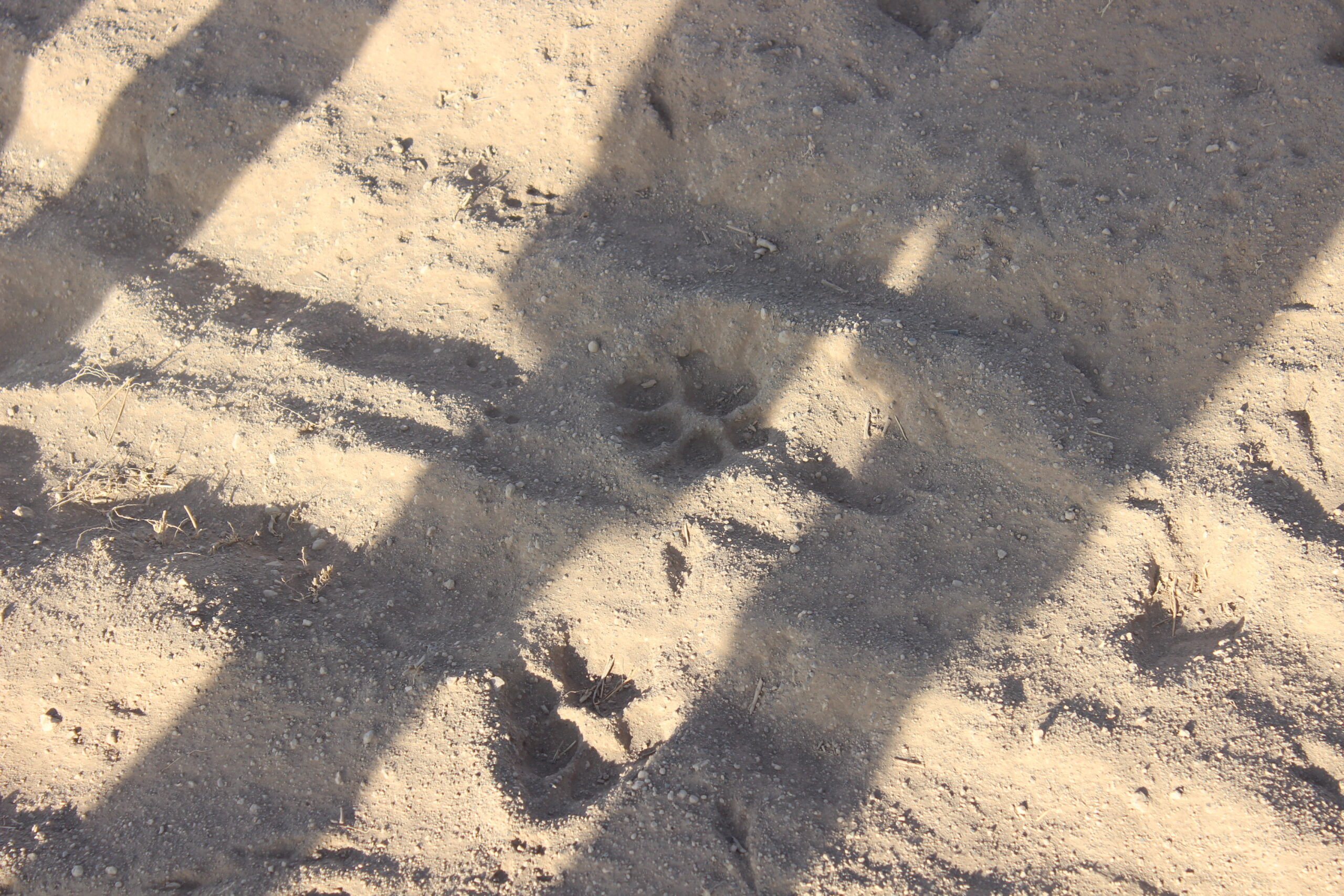
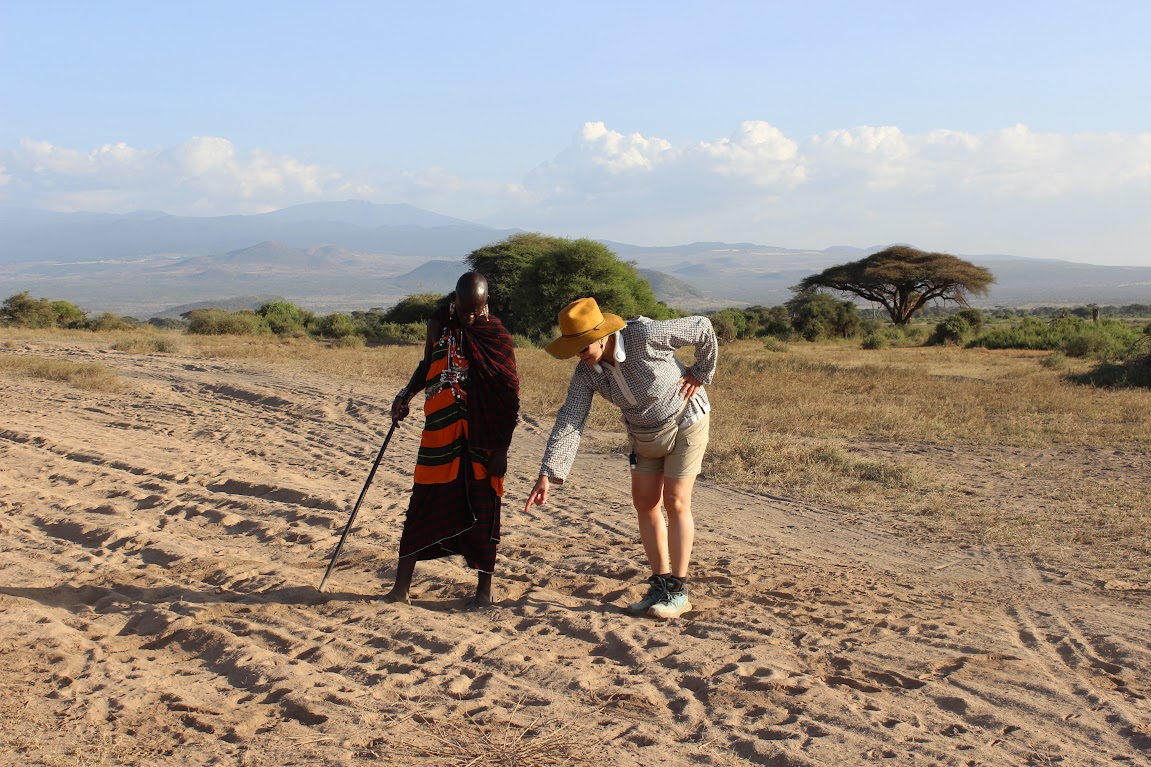
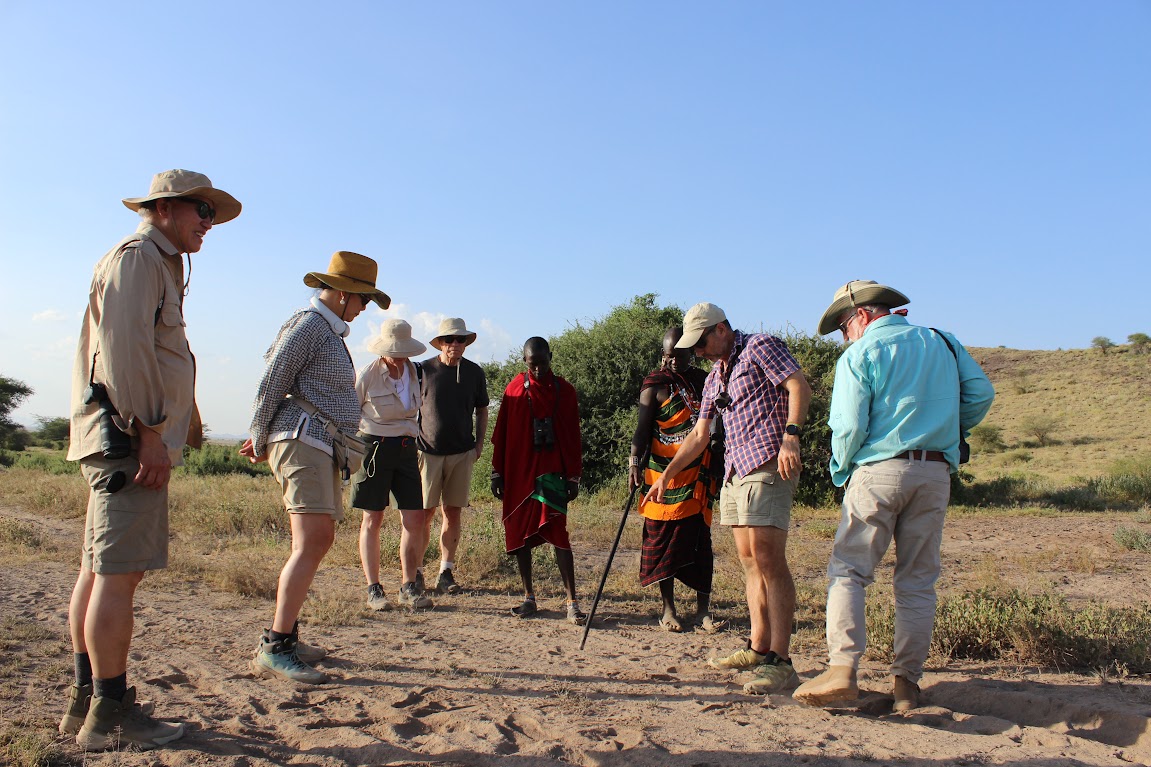
Tracking animals on foot is an art that requires patience, keen observation, and respect for the animals you are pursuing. In Kitirua, the land is alive with signs left by its wild inhabitants. Whether it’s the fresh prints of a lion patrolling through the dusty gametrails, or listening for the warning calls from Guinea fowl, each clue tells a unique story.

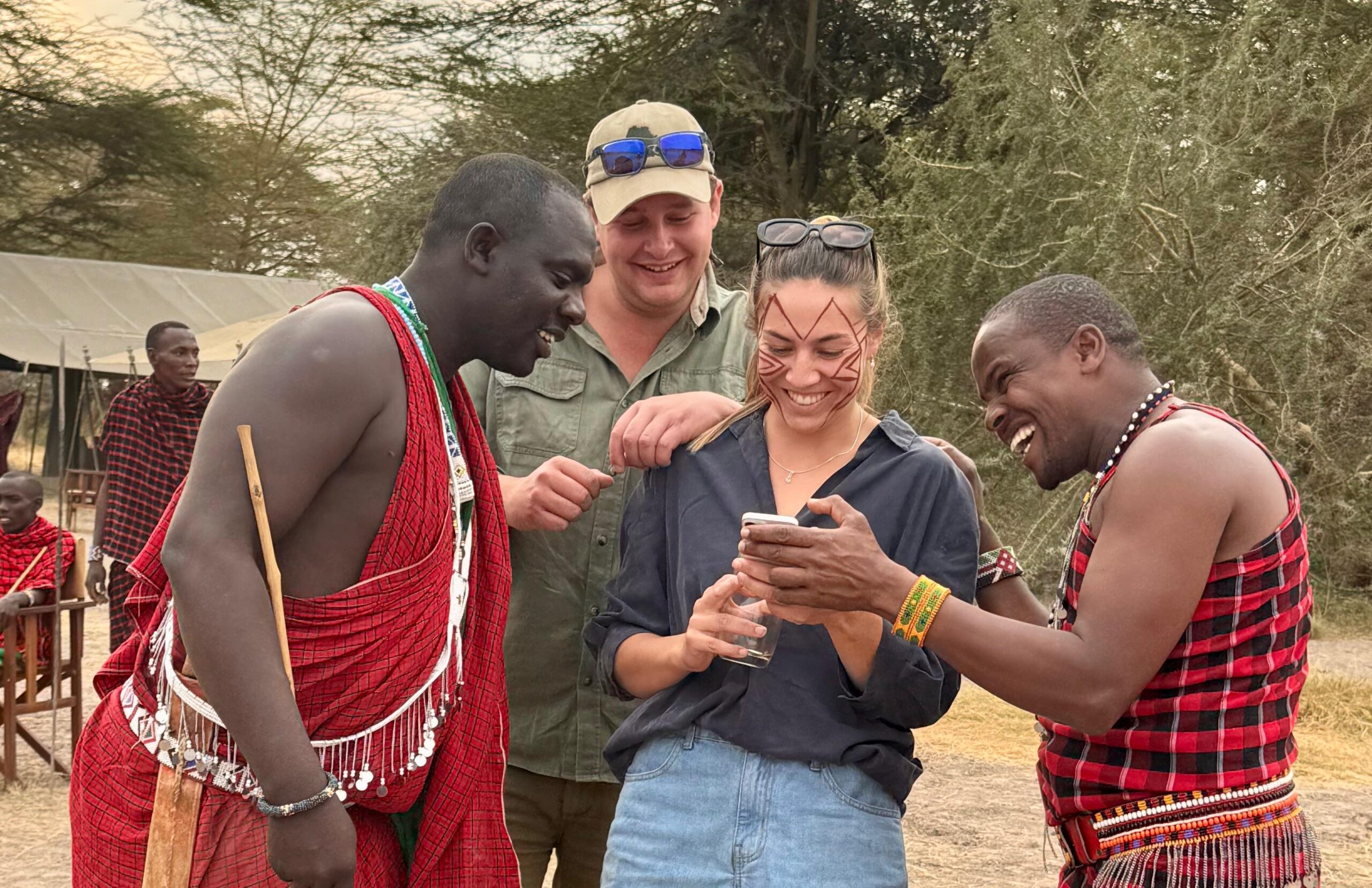
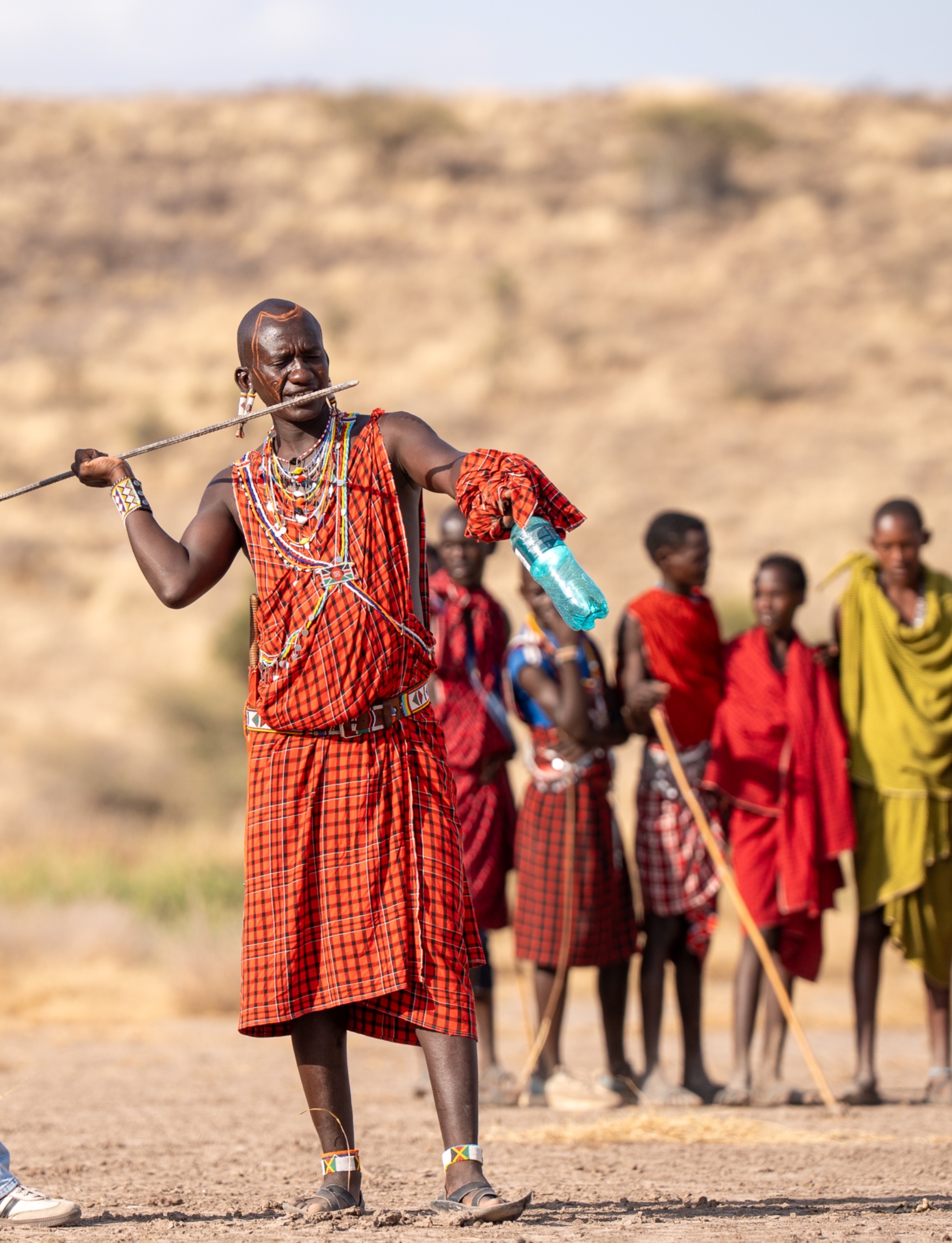
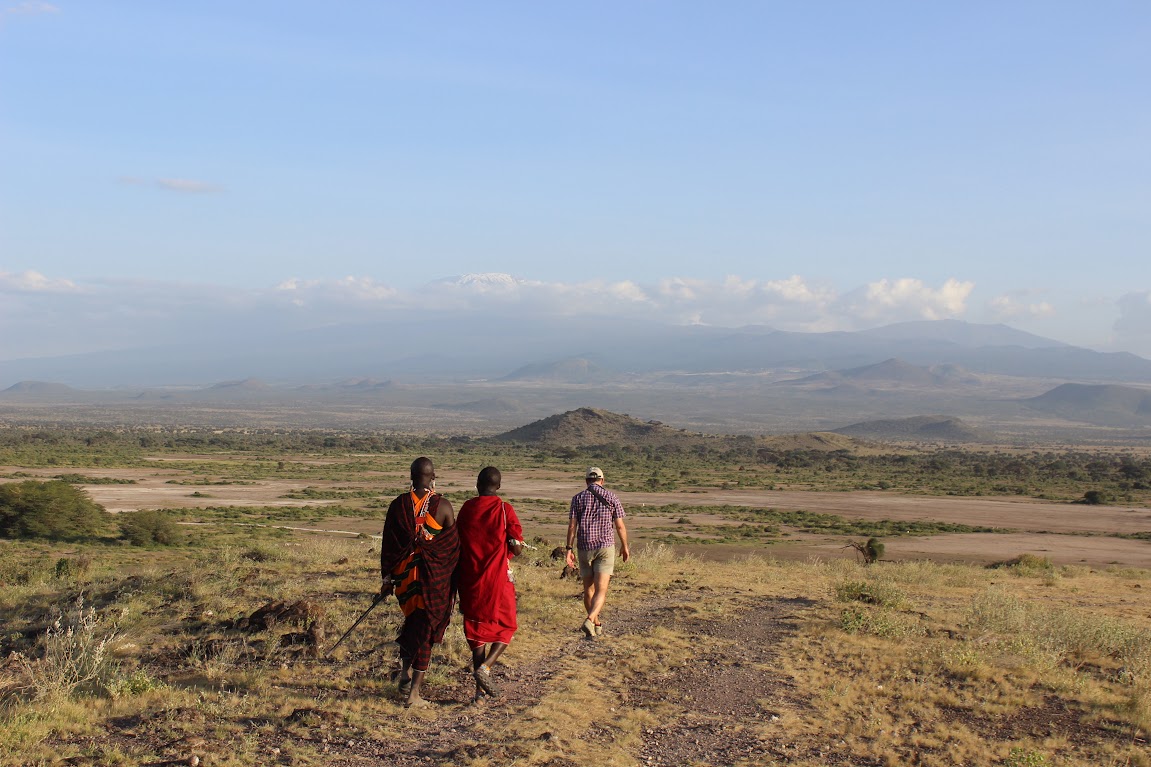
Every footprint, broken branch, or disturbed patch of earth offers a fragment of the animal’s journey. Working with the Maasai, who have generations of deep cultural connections to the land and its wildlife, really enhances our tracking experience. Their remarkable ability to read the subtle signs in the environment bring a rich understanding of both the ecology and the spirit of the land.

The slow, deliberate pace of a walking safari allows you to engage all of your senses. Each step, noise and scent brings you closer to the animals you seek. We have worked hard to secure these wild spaces that allow us to become more active, and for all our guests, especially kids, to become immersed in this age old practice of tracking the game.

Conservation at the Heart of Tracking

Walking allows visitors to better appreciate the challenges facing the region’s wildlife. From human-wildlife conflict to the pressures of human development, the experience of moving through the conservancy on foot makes these issues feel more immediate and tangible. As this close connection builds with the land, the animals, and the people, guests more fully appreciate the value these natural resources bring.

I’ve always found that walking offers an unparalleled adventure into the wild. It’s an experience that immerses you in the natural world, allowing you to connect with both the land and its wildlife on a deeper level. The adventure is about more than just seeing animals – it’s about understanding their behaviors, their environment, and the challenges they face – everything from the daily search for water, to avoiding becoming someone’s dinner!


A Ride with ‘Horses in the Wild’: The Comedy Duo of a Zebra and a Donkey

Filed under: blog — By Liberty Nichols @ 5:37 am

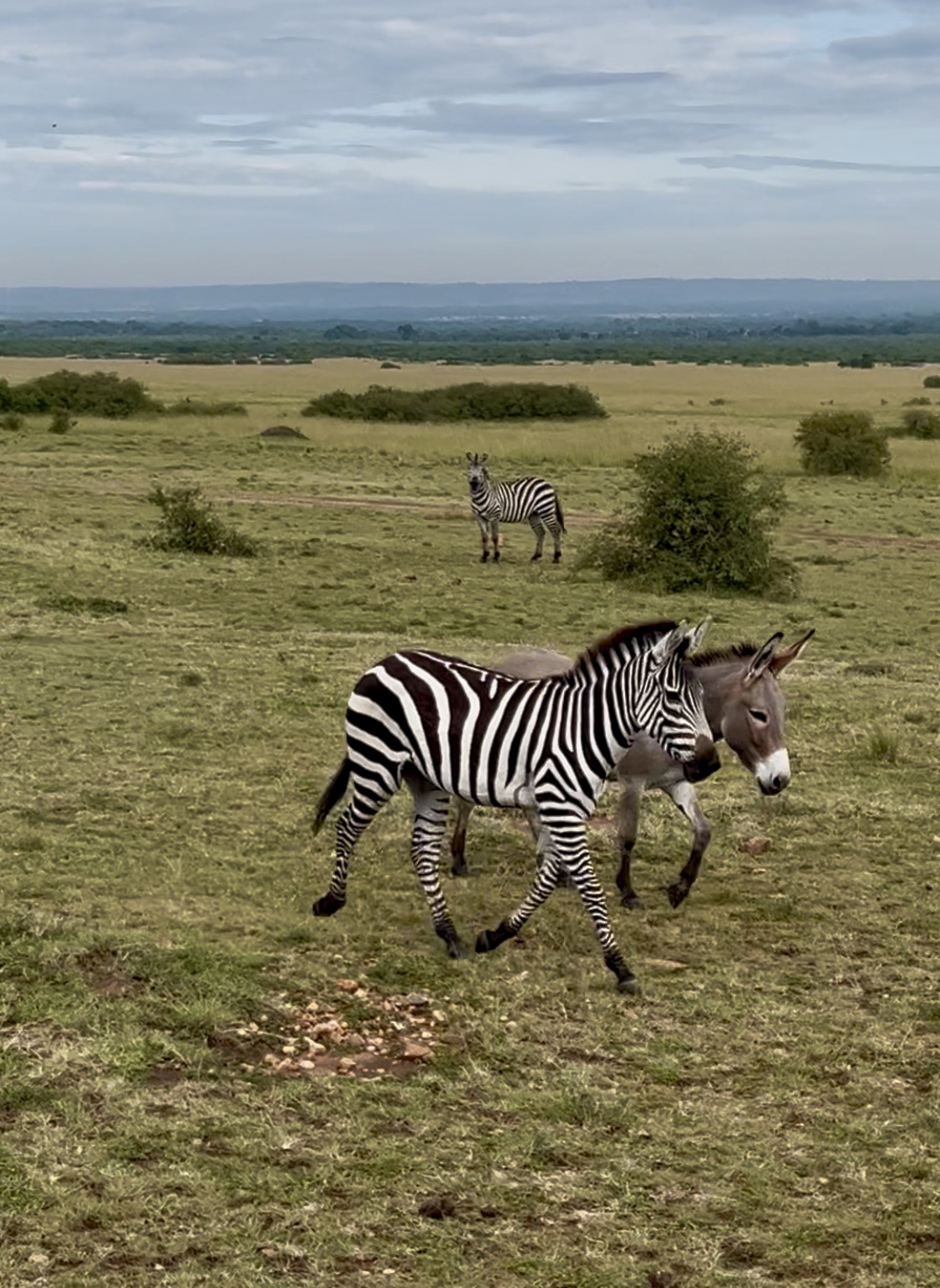
If you’re lucky enough to experience a horseback safari in the wild, the journey is bound to be filled with unexpected moments and novel sightings. But for us, our ride with ‘Horses in the Wild’ took an entertaining twist, thanks to the unlikely duo of a zebra and a donkey—Dazzle and Mandazi. 

Mandazi, with his long ears and quirky expressions, believed herself to be a zebra, and Dazzle was more than happy to have her donkey companion by her side. As we set off for our ride, we quickly realized that these two were not just entertaining to watch; they were part of the experience itself.

The Wild Stallion Zebra Drama

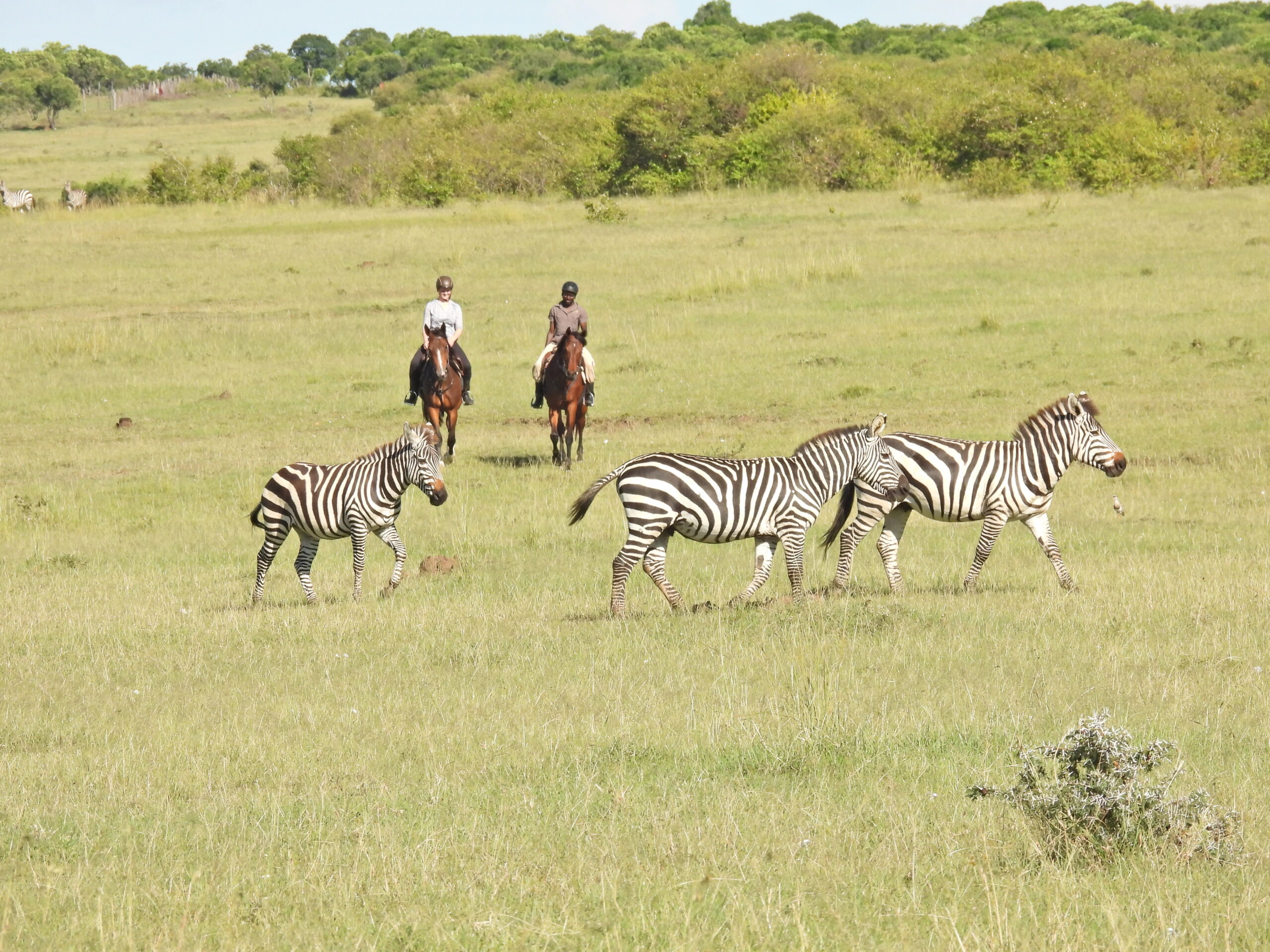
The ride took a fun and fascinating turn when we entered an open plain. A stallion zebra appeared out from the wild herd and immediately, he was intrigued. He was intent on getting closer—perhaps to court her, perhaps to show off his dominance.

Here’s where the comedy began. Mandazi, ever the protective best friend, wasn’t about to let any wild stallion get close to her zebra companion. He immediately chased the stallion away, braying and kicking up dust in her own donkey way.

All the wild zebra stallions seemed equally confused by the situation. Their attempts to get close to Dazzle were constantly thwarted by Mandazi, who would chase them off before they could even make a move.

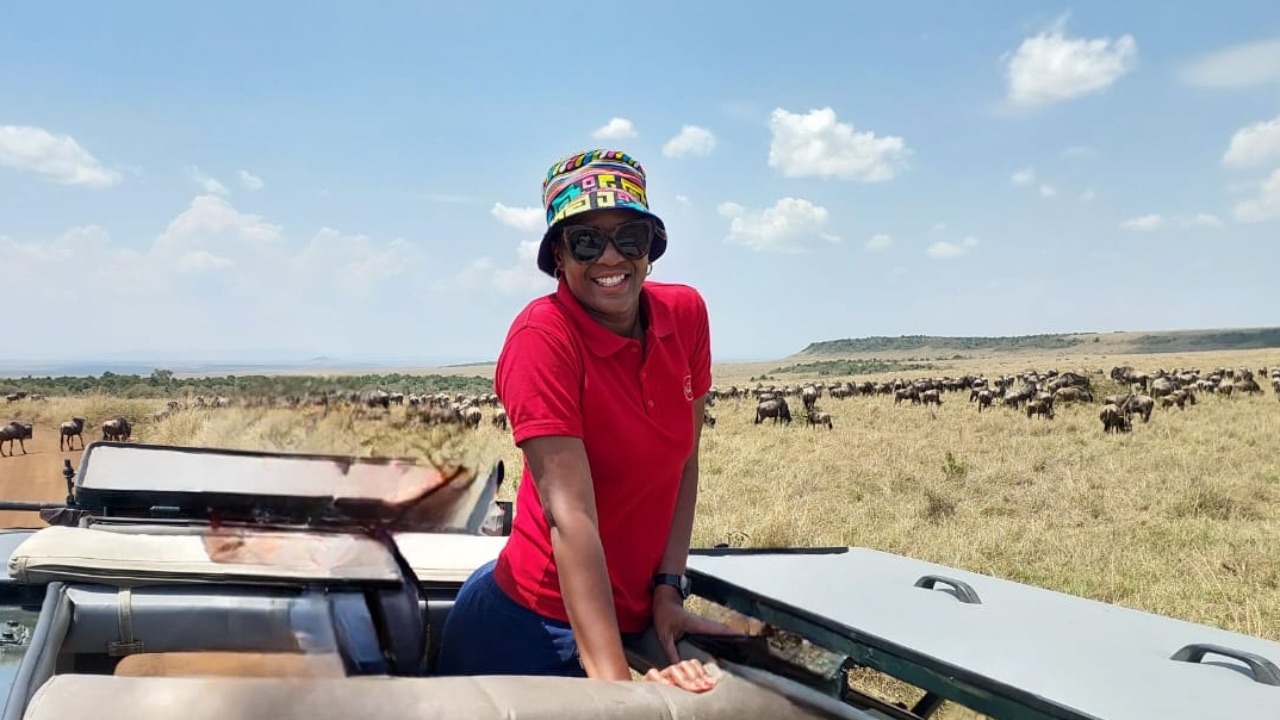
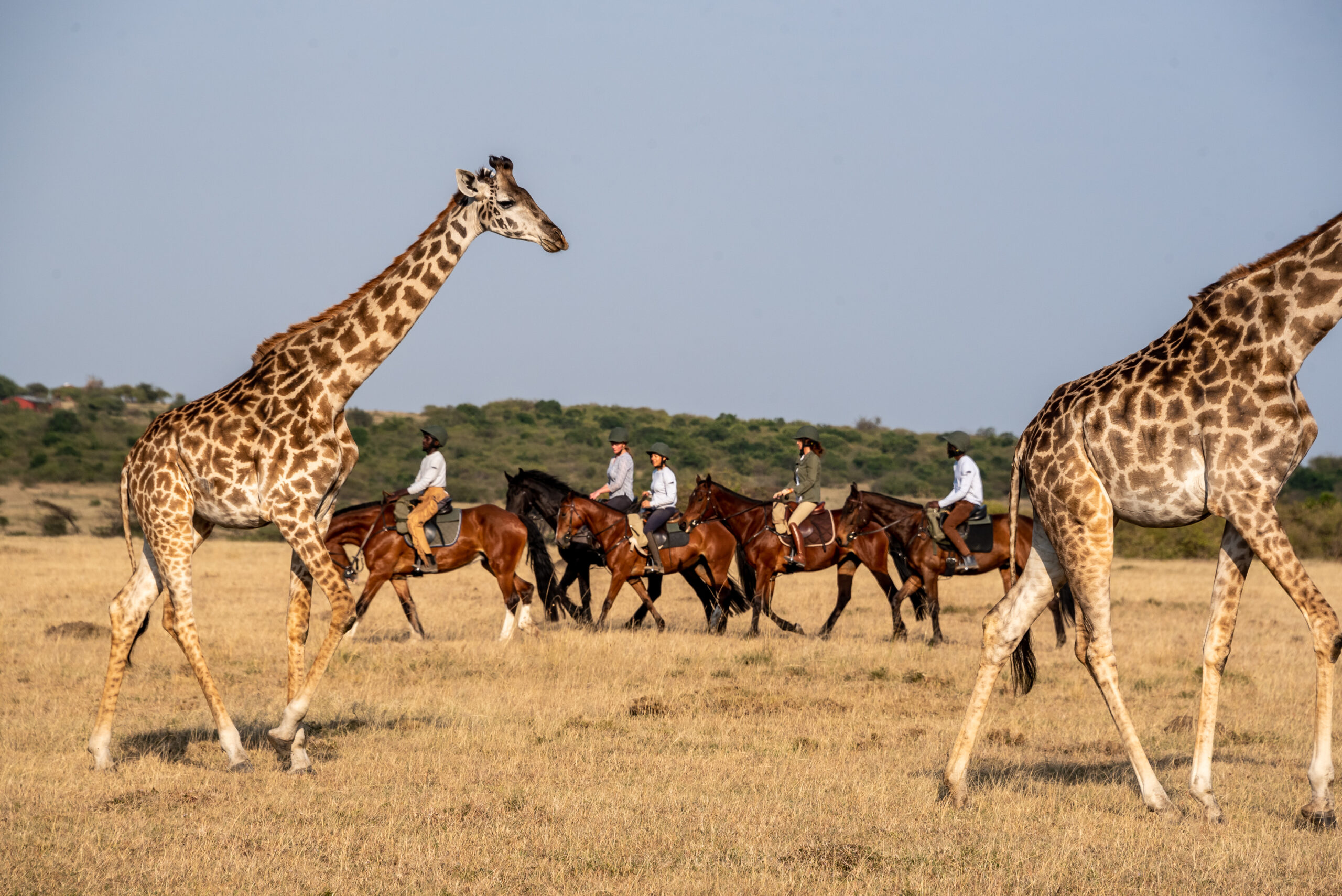
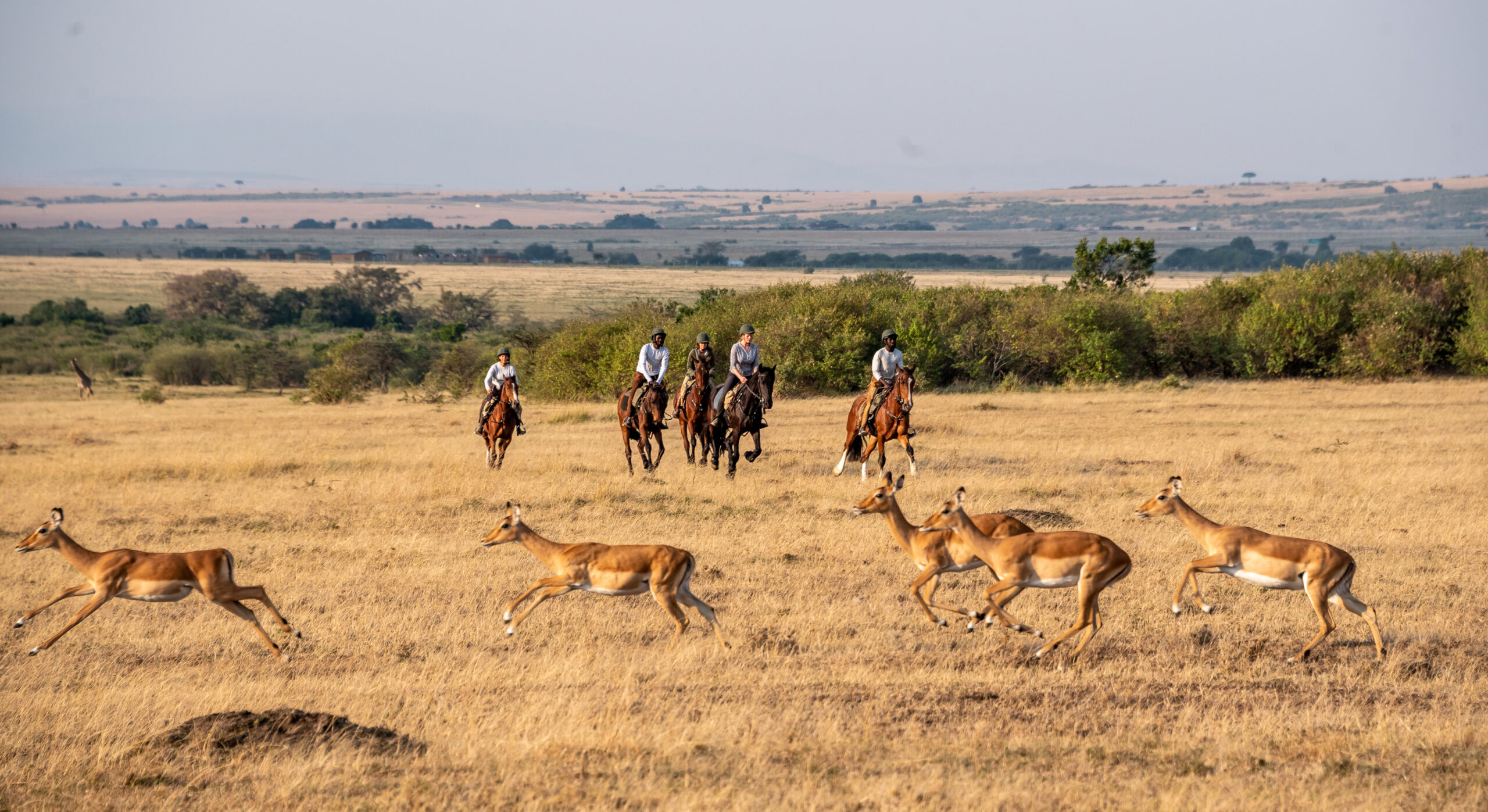
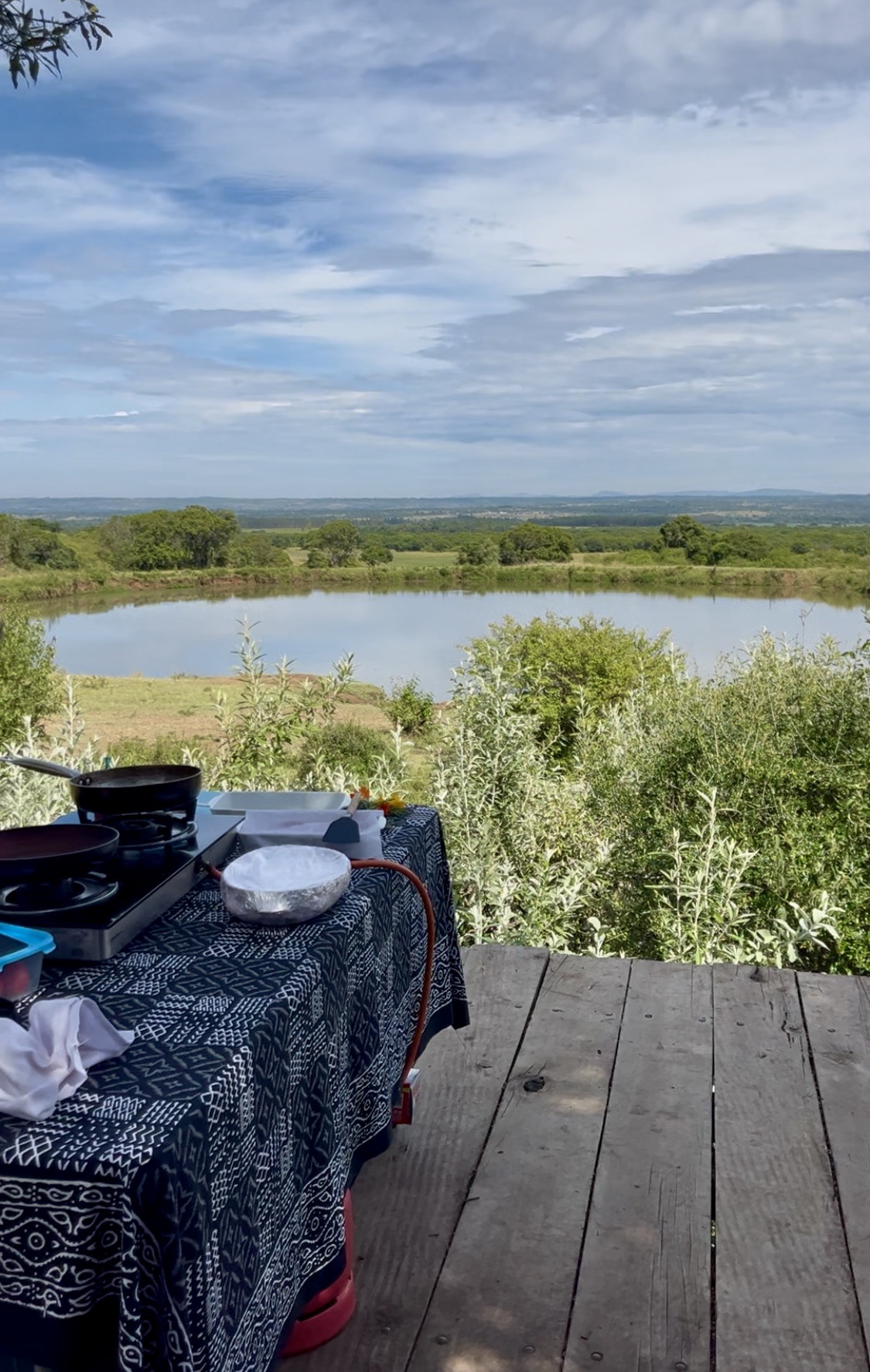
As well as all this we enjoyed cantering alongside herds of wildebeest, zebras and giraffes; with the great plains of the Masai Mara as a backdrop throughout, the spectacle was fantastic. Our ride eventually came to a peaceful end at a beautiful dam where a delicious picnic breakfast was set up for us.

This ride with ‘Horses in the Wild’ wasn’t just about the beautiful plains game or the exciting canters. It was about the bond between Mandazi the donkey and Dazzle the zebra, and how their unexpected friendship brought a whole new level of joy to our ride. We couldn’t have asked for a more unique or entertaining experience, and the memory of Mandazi’s protective antics will forever bring a smile to our faces, documented here in an animated video on our instagram.

Gala Event – Safaris making a difference in Sydney

Filed under: blog — By Howard Saunders @ 5:25 am


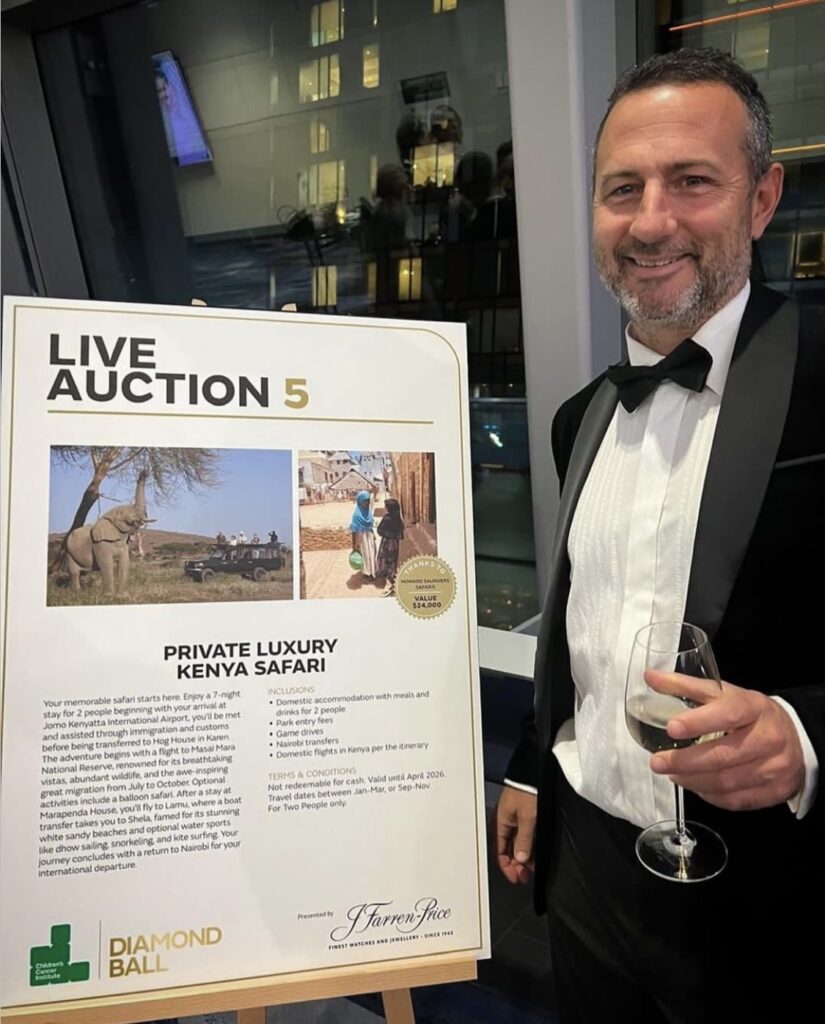
Earlier in September I was honored to support the Australia’s Children’s Cancer Institute by donating a safari for their live auction at the Diamond Ball in Sydney.

As with so many of us, I’ve had friends deeply impacted by children’s cancer, so it felt especially meaningful for me to support the cause. Watching it raise $30,000 AUD on the night, making it the second highest bid, was absolutely incredible.

Together, we helped contribute to the event’s impressive $2 million AUD raised for the cutting edge work the Institute is leading. Supporting biomedical research alongside doctors and nurses who work daily to save lives and develop new treatment is critical. Having seen this firsthand I’m so grateful to be able to play a small part in this cause, and know I’ll be stay involved in this space.

UGANDA – The Pearl of Africa

Filed under: blog — By Liberty Nichols @ 5:15 am

Christened by Winston Churchill as ‘Africa’s Pearl‘, Uganda remains one of my favorite destinations.

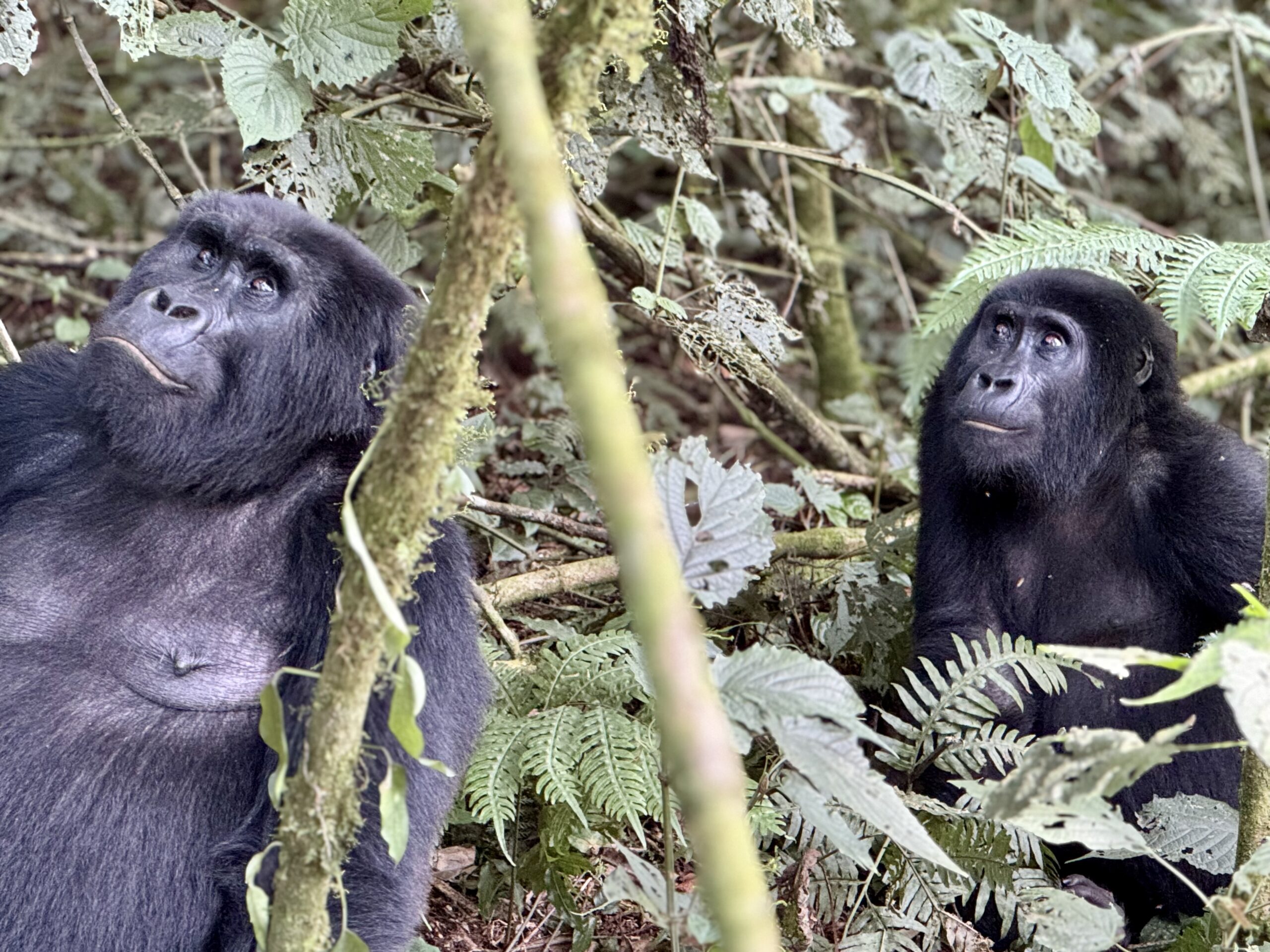
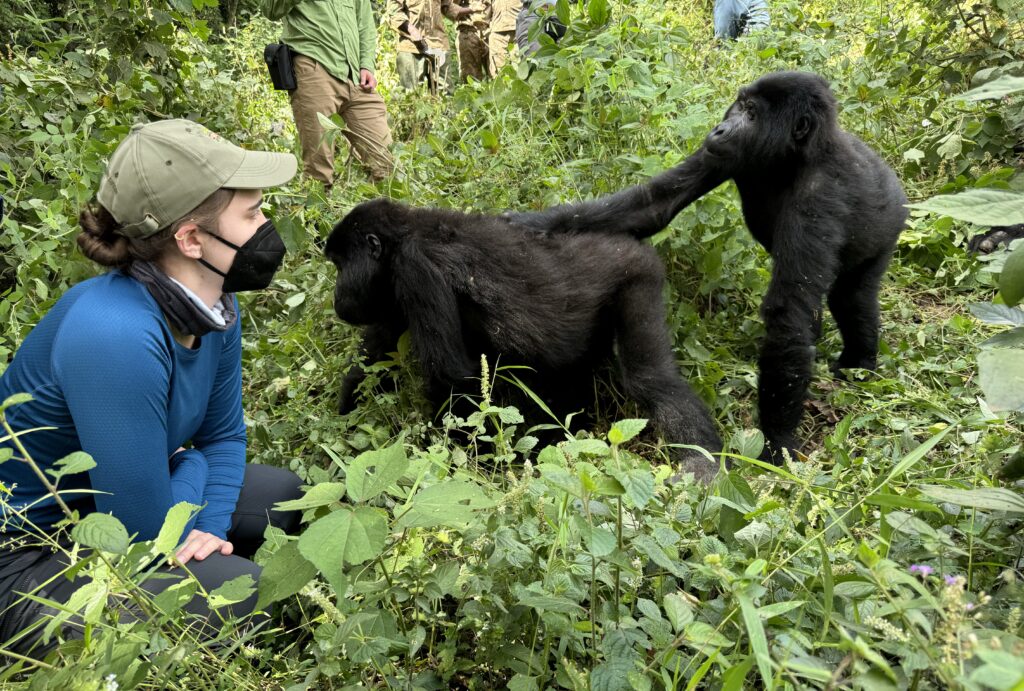
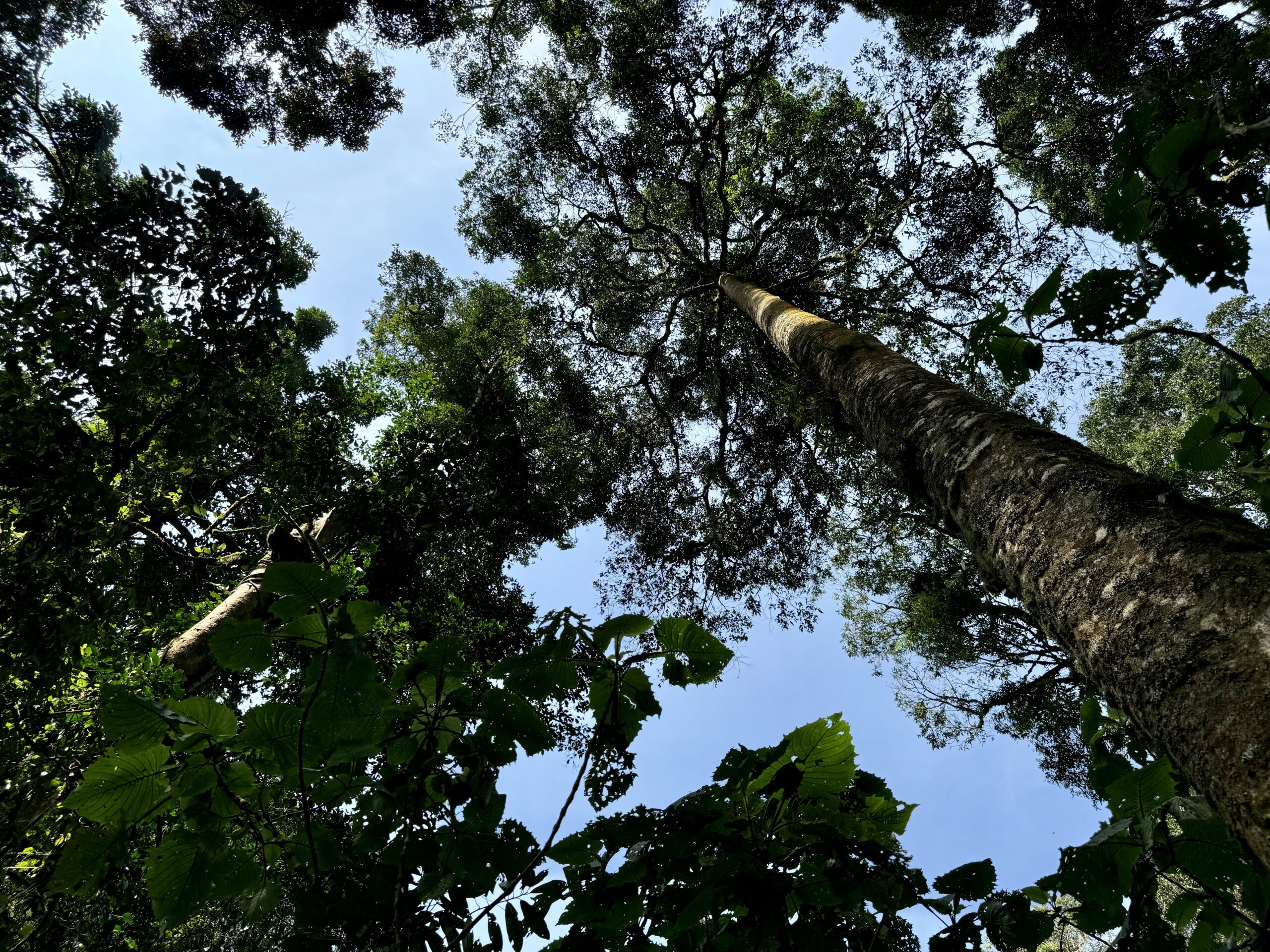
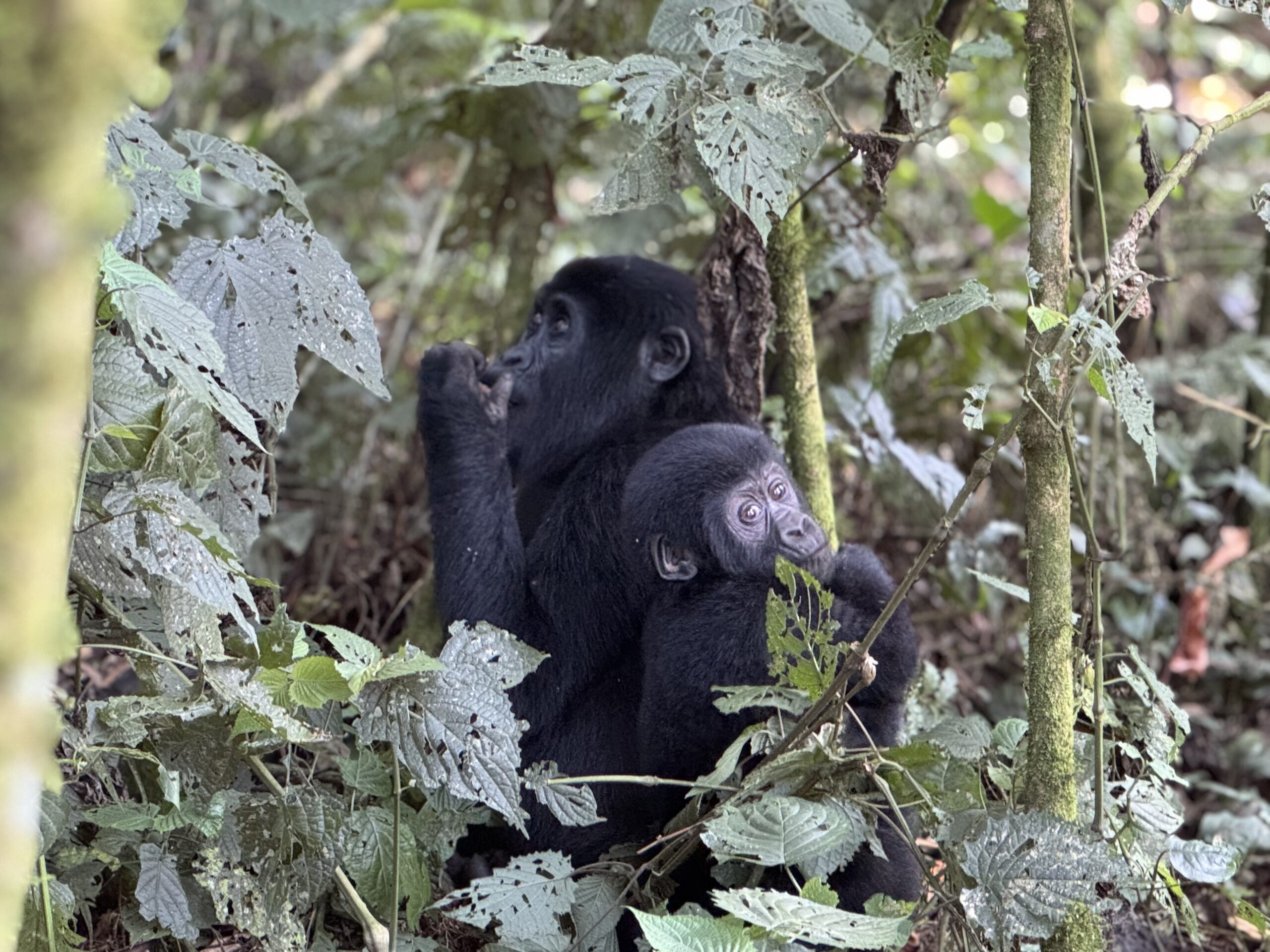
Hiking into the Bwindi Impenetrable Forest offers magical insights into the wild lives of the great apes who call it home. Invigorating treks into the forest give visitors an incredible sense of how mountain gorillas have adapted to their lush environment which highlights the importance of protecting it.

Bwindi is home to over half the 1,000 mountain gorillas (up from 300 in 1997). It’s worth noting, and celebrating, how successful our conservation efforts within tourism supports this region. Our vibrant industry has facilitated enormous opportunities for the Ugandan people at the camps and lodges, which spins off for local markets and health centres.

During our June safari, we visited the impressive Bwindi Community Hospital, a vital and inspiring presence in the region. We saw firsthand the commitment and expertise of highly skilled local guides, researchers and park rangers, who embody the spirit of Ugandan achievement. Having guided safaris in Bwindi since the late ‘90s, I’m continually impressed by the area’s extraordinary biodiversity and the ingenuity of its people.

Through the great work of Ugandan and international vets, not only gorillas, but the many primate species found there have thrived under the protection of the national park. The evocative nature of this place is so memorable with dinosaur like bird calls from the Great Blue Turaco among others, who’ve adapted to these central African forests.

ELEPHANTS – Fighting back in Kenya

Filed under: blog — By Liberty Nichols @ 11:47 am

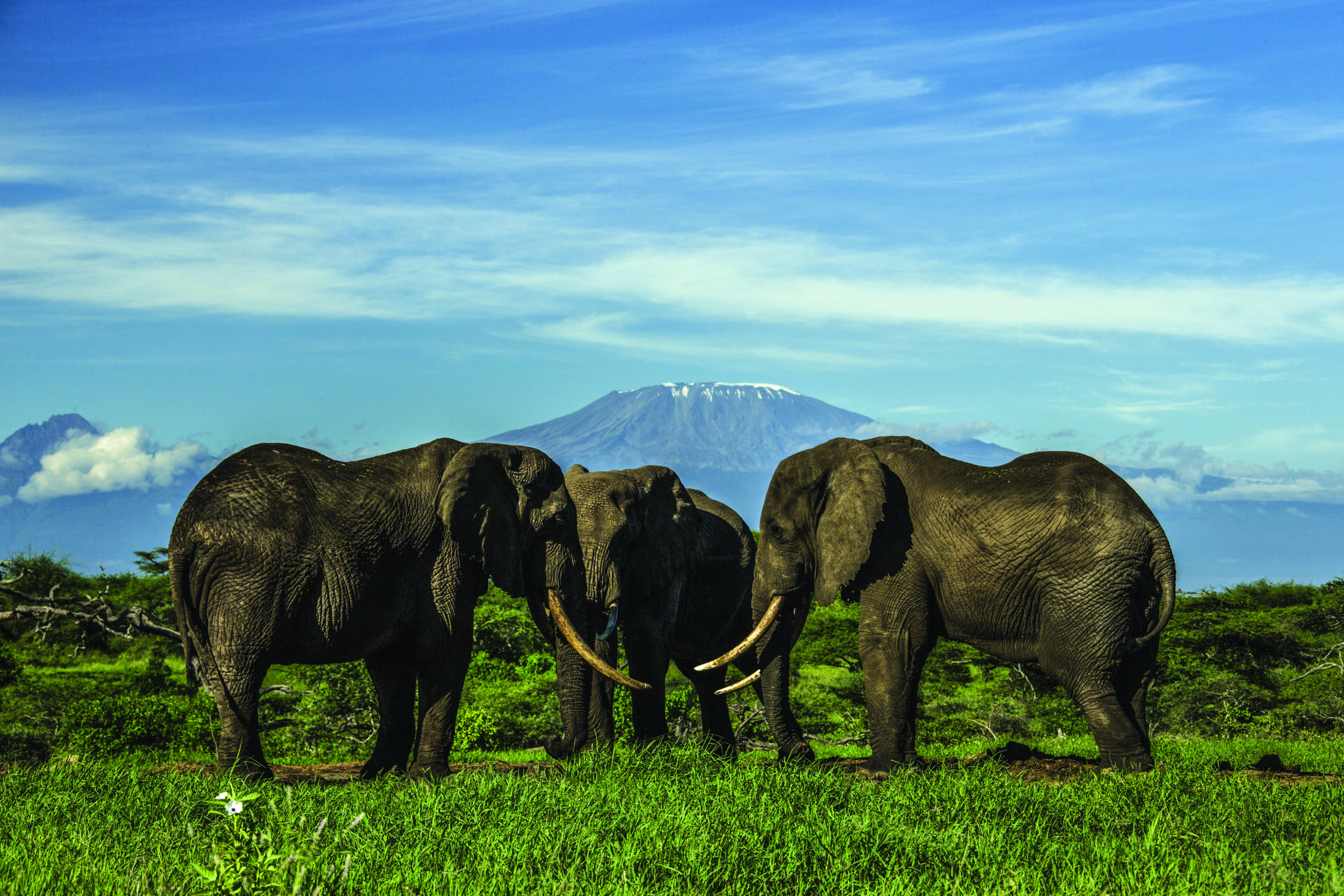
The Greater Amboseli ecosystem has long been known for its abundance of elephant.

Cythnia Moss began researching this population in 1972 and we’ve learnt so much over that time. Just this year Cythnia’s project has revealed fascinating insights into elephant communication, including the discovery that elephants may use sounds to akin ‘names’ when addressing each other. Please click here to read the National Geographic article.

With its majestic backdrop of Killimanjaro, Amboseli is indeed one of the most iconic safari destinations in Africa.

Pairing this with a stay at Ol Donyo Lodge in the Chyulu Hills can be a fantastic way to include luxury in the bush.

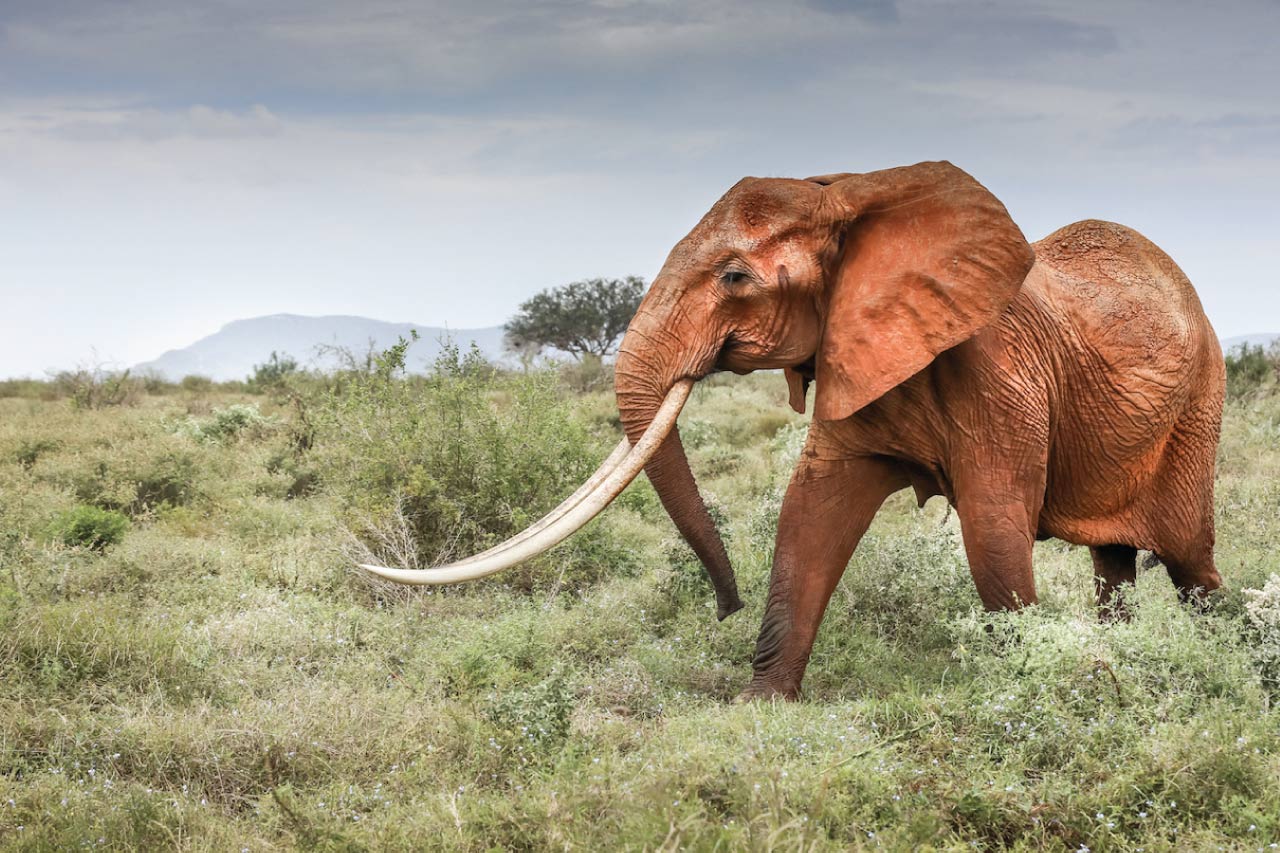
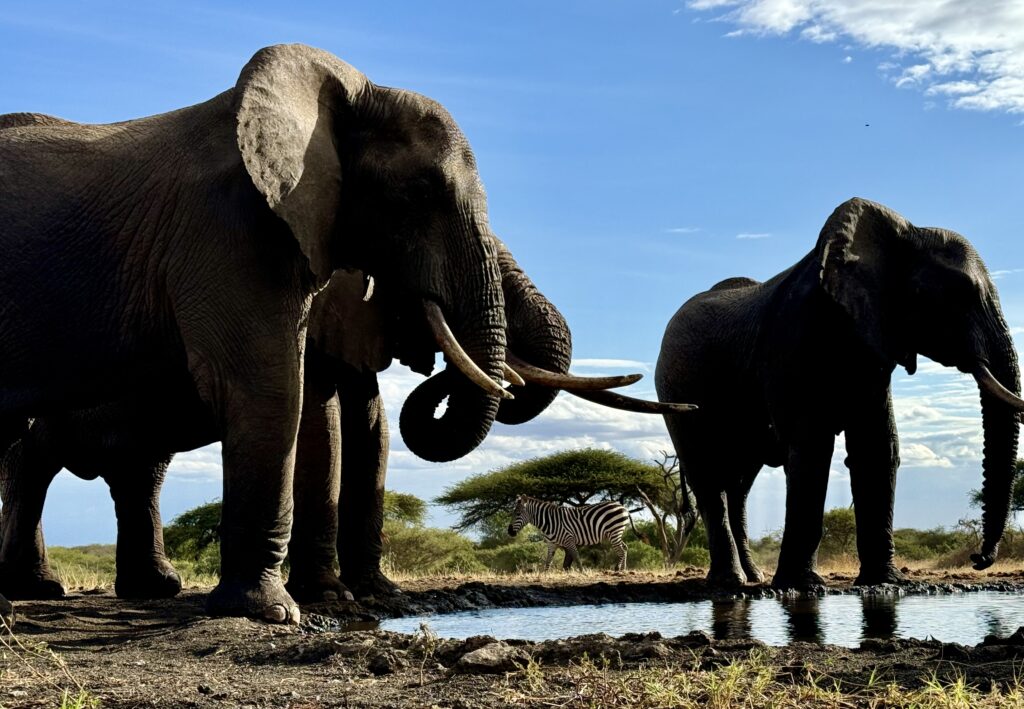
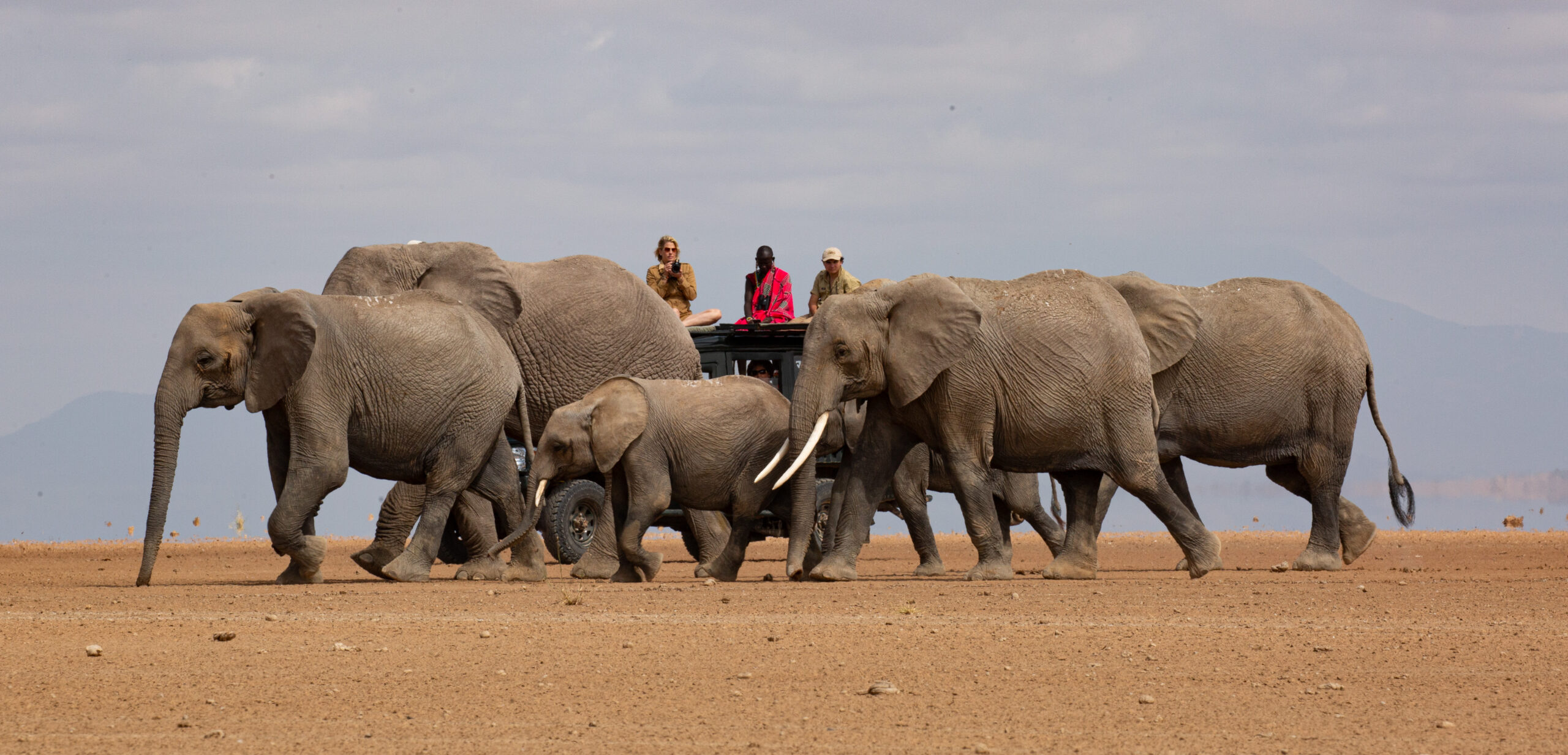
In the Chyulu Hills, some of the last big tuskers regularly come to the drinking hole, and Ol Donyo Lodge’s ‘hide’ (pictured below) allows for some of the most incredible close-up viewings of these giants.

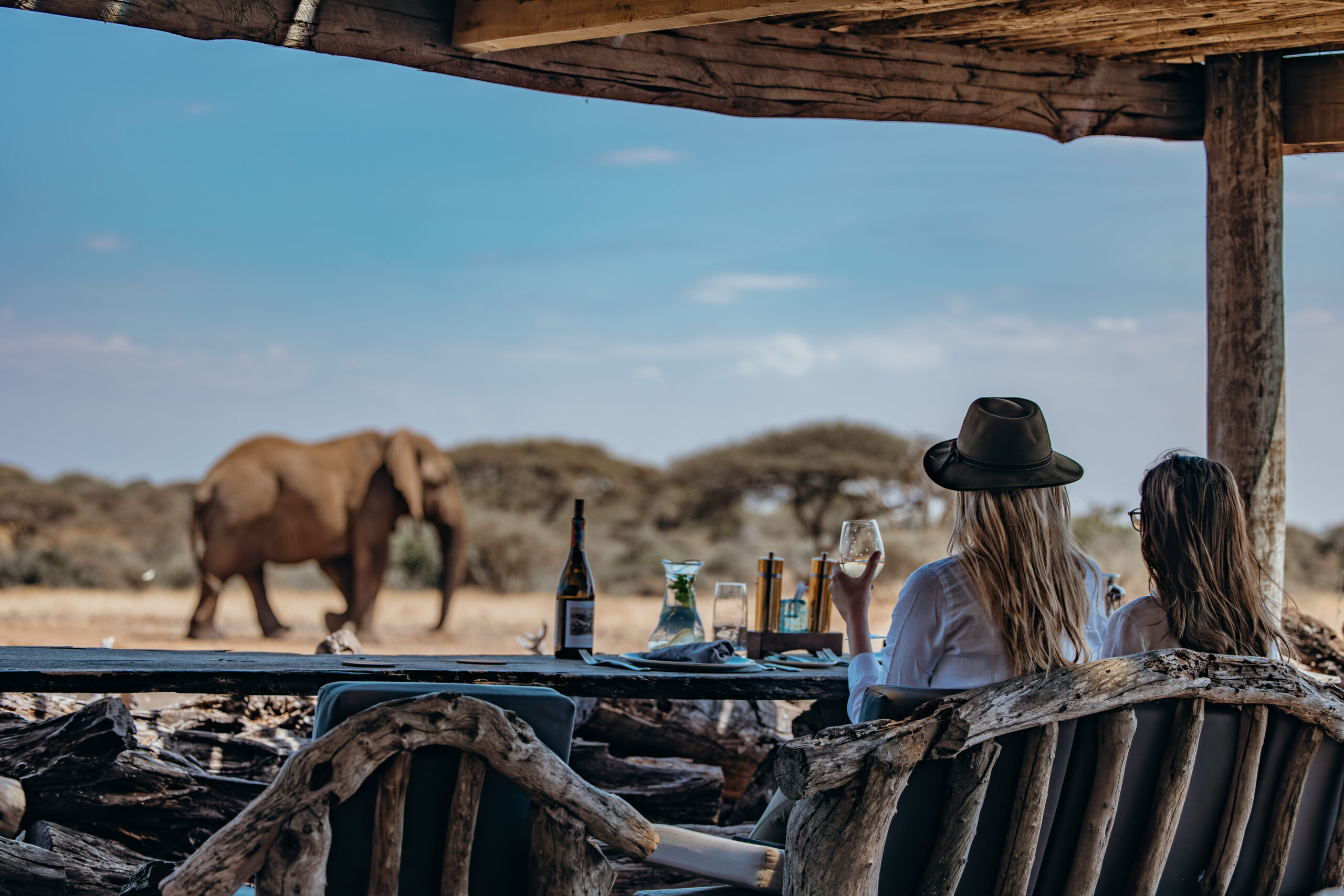
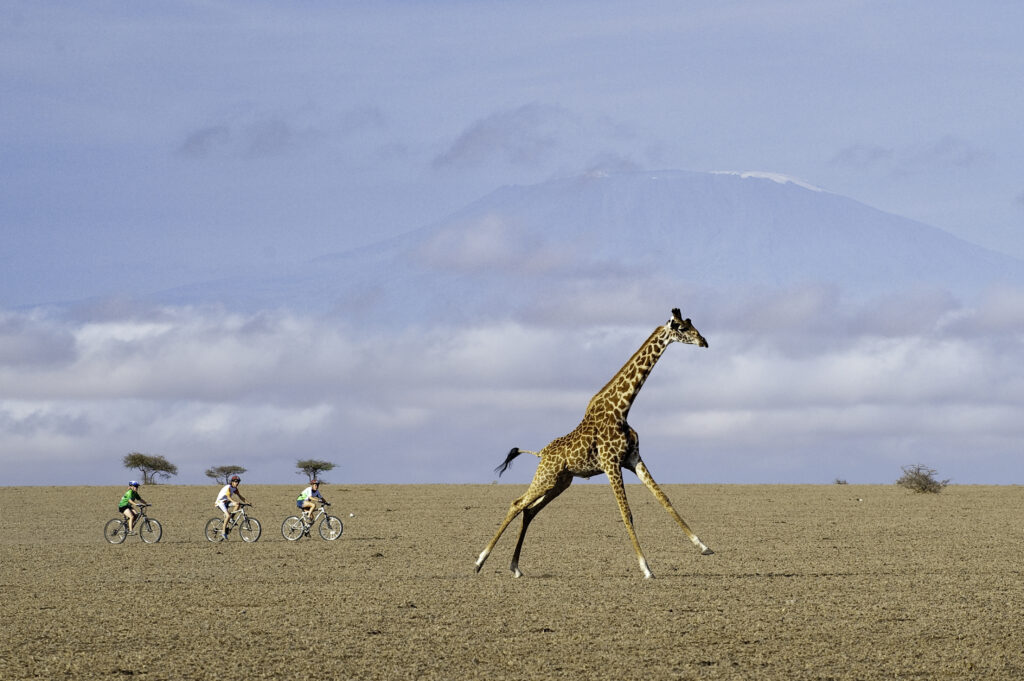
The lodge itself is divine, with exceptional views across the vast plains towards Kilimanjaro’s snowcaps. Quality cuisine, fine wines, plunge pools and top notch activities including hikes, horse rides, mountain biking and night game-drives make this stop an ever increasing highlight on any safari.

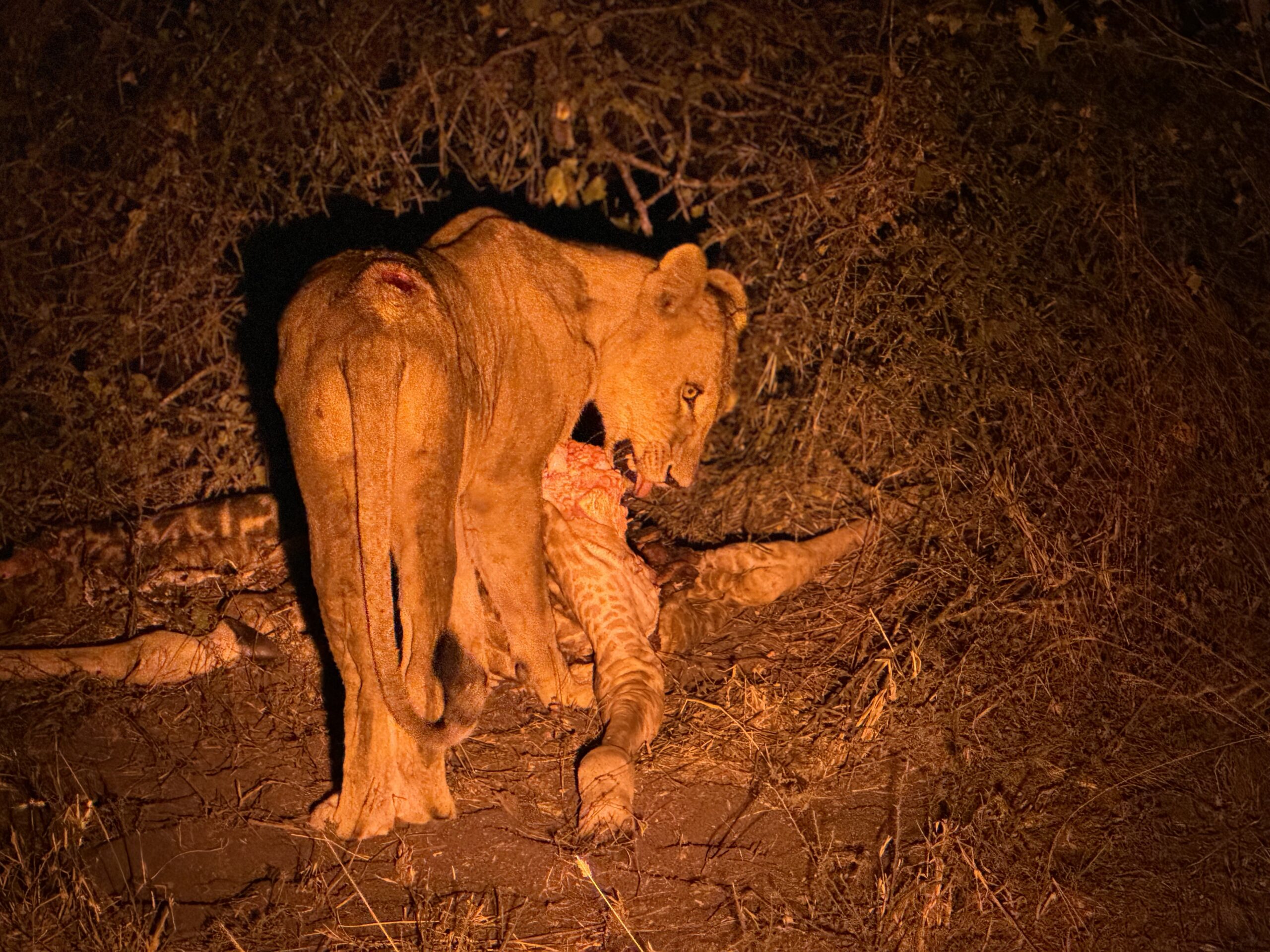
On recent safaris we have witnessed some incredible sightings, including the elusive striped hyena, a cheetah and an extraordinary scene of a brave lioness brought down a giraffe to feed her pride.