
We were in camp along the palm-fringed Tiva River. For most of the year the river’s sandy base is an elephant highway, until the rains bring a torrent of water which provides the annual flush, filling the water holes that sustain life in this remote, northern part of the great Tsavo National Park.
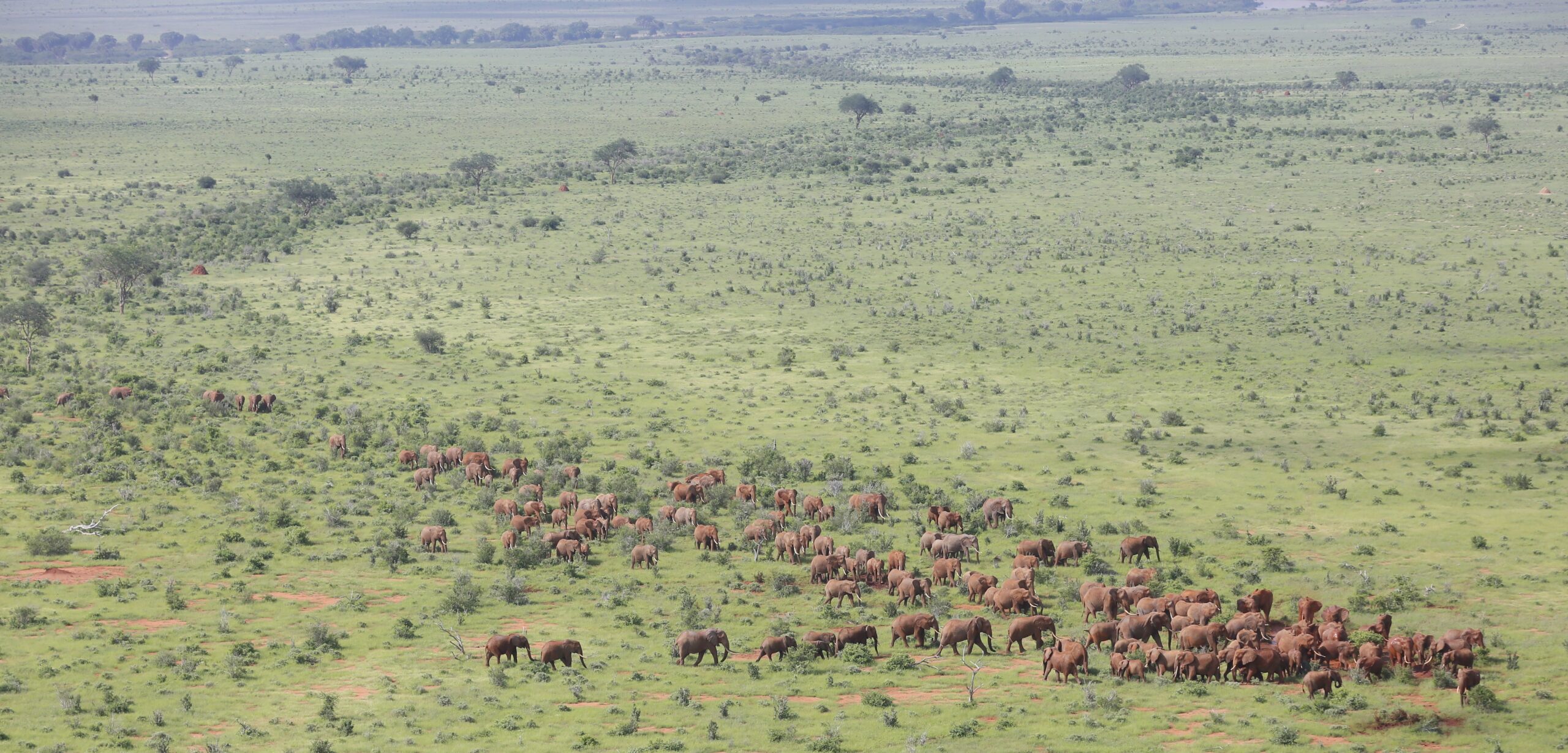
Home to roughly half of Kenya’s elephant population – about 18,000 of these giants roam here! – Tsavo is one of the largest protected areas in Africa. Famous for these and other charismatic big game, Tsavo is perhaps one of the last truly wild locations to explore. Over a century ago, the infamous “Man-eaters of Tsavo” put a temporary halt to the construction of the Mombasa to Nairobi “Lunatic Express” Railway, before these lions were dispatched, and ended up as exhibits in the Chicago Field Museum (where they still sit today, tamed at last).
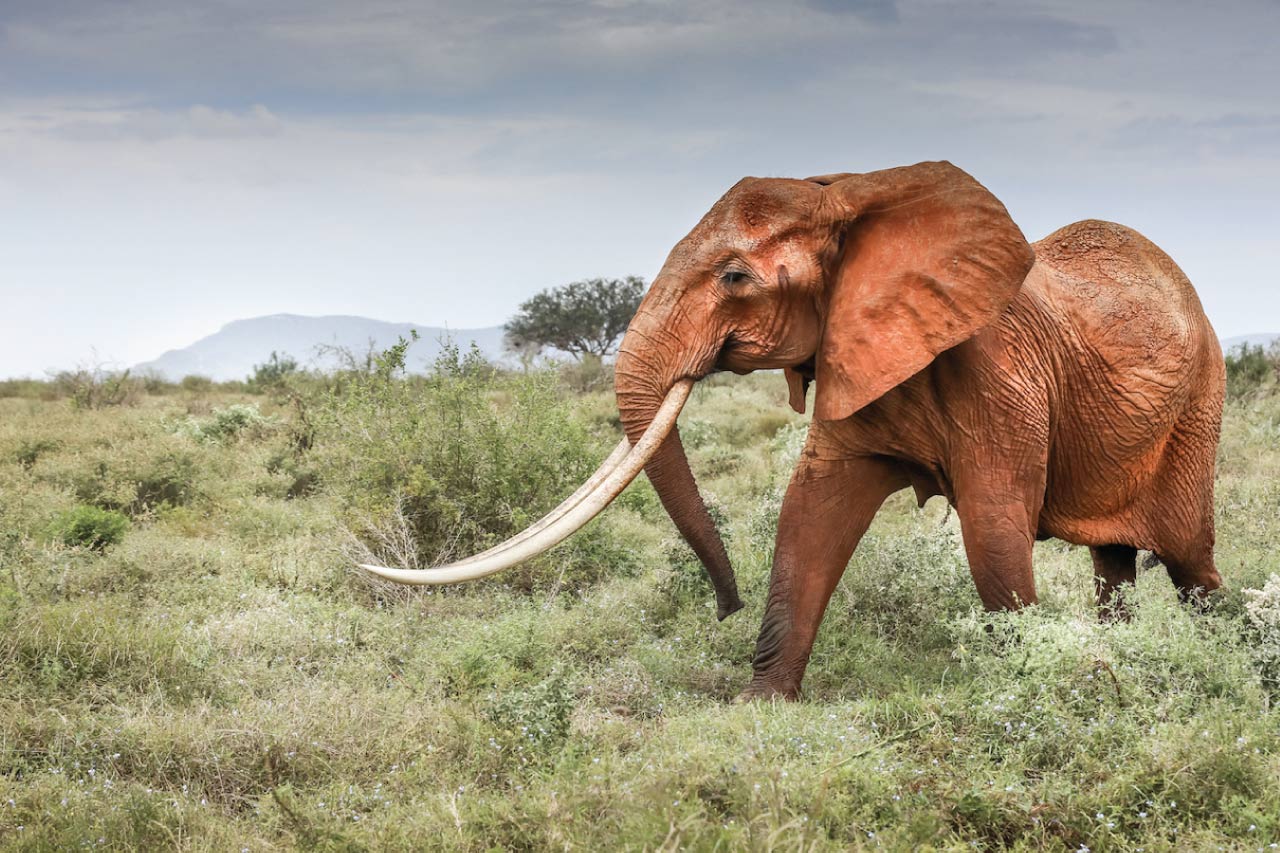
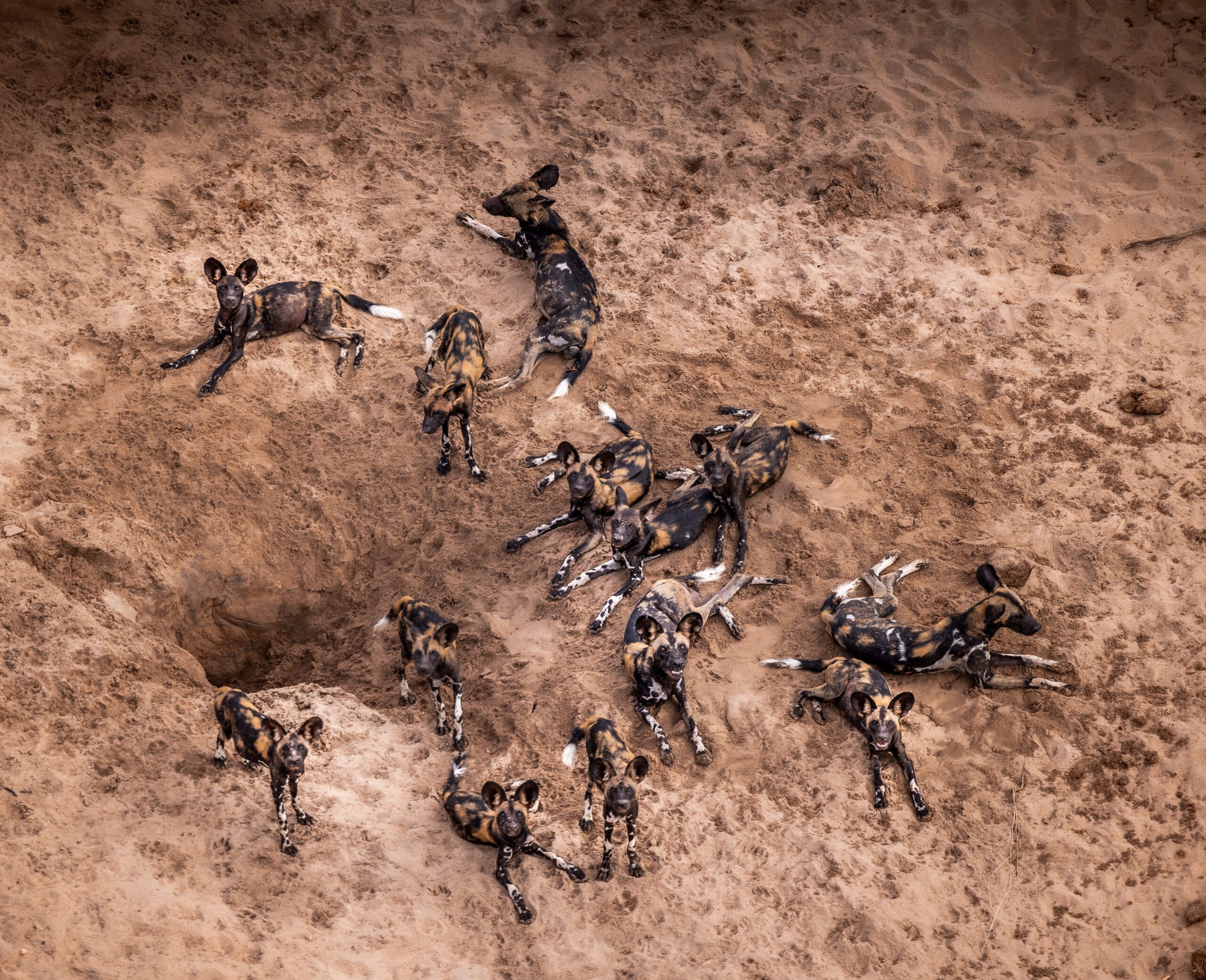
Our company pioneered much of the early tourism in Tsavo, back in the 1960s and 70s, before some of the great herds were hit hard by drought and poaching. The resurgence now of wildlife across this vast wilderness is impressive. The elegant lesser kudu and other antelopes add to the mix alongside the elephants, outstanding birdlife, and a healthy leopard and African Wild Dog population make for some exciting predator sightings!
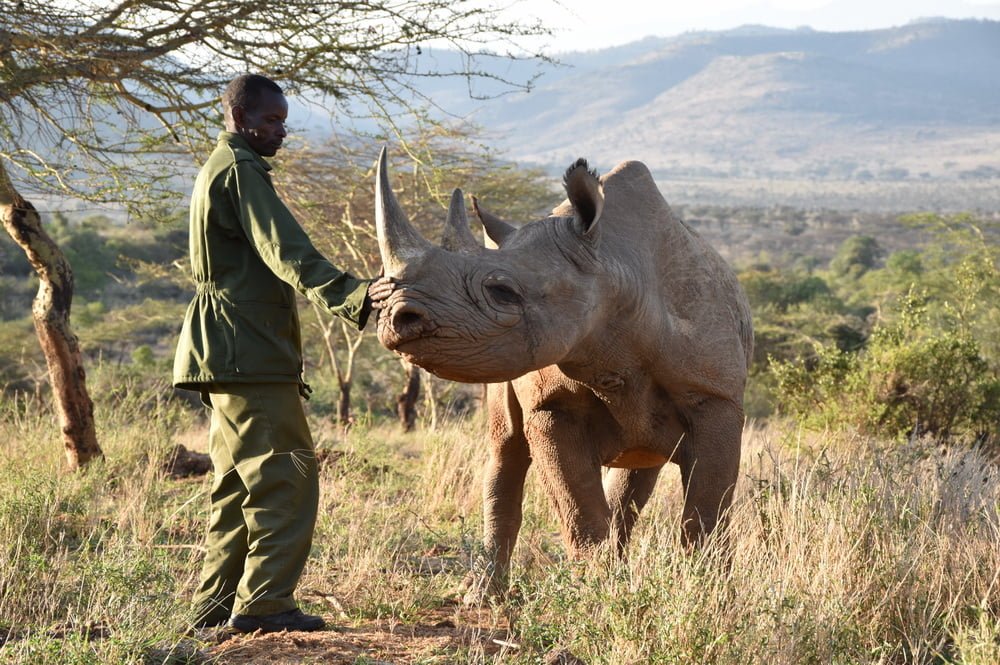
Working hard on the front lines of conservation, Tsavo Trust has become one of the most dynamic and effective organizations in the field.
Since it was founded over a decade ago, their project has been an important recipient of my support as it patrols the skies and tracks of Tsavo’s expansive terrain. Its success in nurturing the growth of Tsavo’s elephant herds back towards their immense numbers of the 1960s, and the rebuilding of the endangered black rhino populations is one of the most exciting conservation stories of this decade. Richard Moller’s stewardship of the organization is key to its success and his dedication shows through in all aspects of the Trust’s success stories. Not least of which is the incredible support and relationship he’s built with the Kenya Wildlife Service who run the park administration. It’s been wonderful to watch the Tsavo story, having known Richard since the late 90s, and seen him become a key player in conservation work that benefits Tsavo, as well as the Amboseli ecosystem where so many of my safaris operate.
And now it’s our final day in camp. I awoke before dawn to listen to that most evocative sound of Africa, the lion’s roar; so close to camp. And sure enough once up, we were able to find her tracks in the sandy river bed, and see that she prowled below our tents to the water hole, then back. Together with several bull ele’s, kudu, baboons, a striped hyena and a leopard, the lioness completed a busy stream of thirsty interest in the spring in front of camp; all seen as I checked the camera trap each morning.
There’s a certain awe in these moments that draws you into the present—making you feel more alive, grounded, and in tune with your thoughts and those around you. For many guests, it’s this sense of wonder and curiosity that becomes the true treasure they take home from Africa.